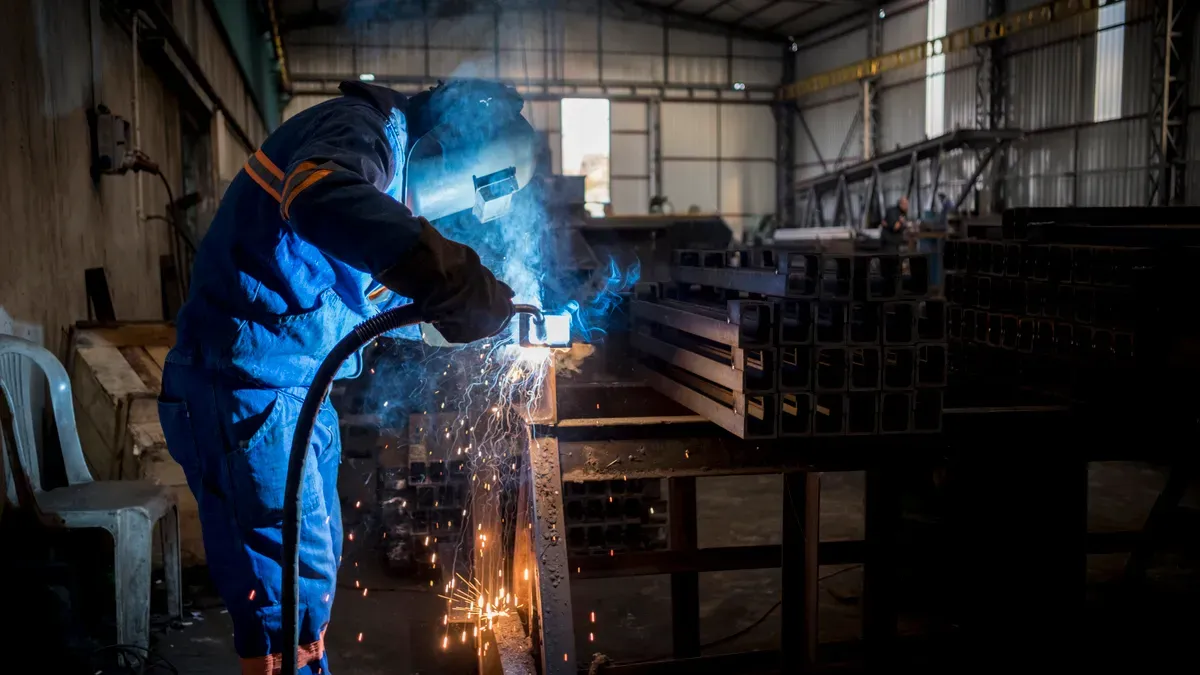
Export-quality welded parts are strong and reliable. They are made with great care for tough jobs everywhere. Hehua Machinery Technology (Kunshan) Co., Ltd. is a leader in welding. They use advanced ways to weld and check quality closely. You get the best methods like laser, MIG, robot, and TIG welding. These parts are special because they follow world rules. They work well every time, better than regular parts.
Export-quality welded parts are very strong and last a long time. They work well in hard places. Pick parts with high strength to help your product last longer.
Welding must be very exact. Hehua uses new ways to make sure parts fit well. They also make sure parts meet tight rules. This stops errors and keeps people safe.
Following world rules like EN 1090 and ISO 3834 makes sure welded parts are safe and work well. This helps your products do well in other countries.
New welding ways, like laser and robot welding, make work faster and better. Picking the best way makes sure your parts can be sold in other countries.
Careful checks and tracking make sure every part is looked at and approved. This helps people trust your products and makes sure they work well for a long time.
Welded parts need to be tough and last long. Export-quality welded parts must be very strong and durable. These parts often work in hard places. They must not bend, break, or wear out easily. Hehua Machinery Technology (Kunshan) Co., Ltd. uses advanced welding to make sure every part is good enough for the world.
Here is a table that shows the usual strength values for export-quality welded structural parts:
Property | Unit | Typical Value |
|---|---|---|
Yield Strength | MPa | ≥ 355 |
Tensile Strength | MPa | 470 – 630 |
Elongation | % | ≥ 20 |
Impact Energy (V-notch, 20°C) | J | ≥ 27 |
These numbers mean export-quality welded parts can take a lot of force and sudden hits. Hehua checks quality carefully and uses modern machines. This makes sure every part is strong and works well.
Tip: Picking parts with high strength helps your products last longer and work better in real life.
Precision is important when building machines or vehicles. Export-quality welded parts must fit right and work well with other parts. Hehua uses laser welding, MIG welding, robot welding, and TIG welding to make sure parts are made with tight tolerances and are always the same.
Here are some common tolerances and standards for these parts:
Tolerance Type | Example Value |
|---|---|
Permissible deviation in size | ±2 mm for 1000 mm |
Out-of-straightness | ≤ L/1000 (6 mm max) |
Hole position tolerance | ±1 mm |
Reference Standards | ASME, AWS, ISO |
Hehua follows careful steps to keep every weld the same:
Makes a Welding Procedure Specification (WPS) for each job.
Tests welders with Welder Performance Qualification (WPQ) before they start.
Uses non-destructive testing like radiographic and ultrasonic inspection.
Tracks materials to use the right alloy and heat treatment.
Checks final sizes with special measuring tools.
Keeping welding the same makes parts strong and safe. It also helps meet world standards and stops mistakes. Hehua’s robot welding and smart controls make sure every weld is just right, every time.
Export-quality welded parts must follow rules from many countries. These rules make sure parts are safe, strong, and reliable. Hehua meets big international standards like EN 1090 and ISO 3834. These standards cover everything from picking materials to checking the finished part.
Standard | Description |
|---|---|
EN 1090 | Technical requirements for steel structures, including fabrication and QC. |
ISO 3834 | Quality requirements for fusion welding of metals, ensuring integrity. |
To meet these standards, Hehua:
Puts parts into Execution Classes (EXC1–EXC4).
Makes sure welding is done by trained people.
Keeps Factory Production Control (FPC).
Saves detailed records for checking and tracing.
Hehua also uses helium mass spectrometer leak detection for special parts and follows ISO 15614-1 welding procedure qualification. The company gets a 99% first-pass rate in TIG welding and uses robot TIG systems for thin materials. This careful control helps you get parts that pass tough export checks and work well anywhere.
Note: Welding certifications show that both the process and the workers meet top safety and technical rules. This means your welded parts can do hard jobs and last for years.
Hehua works hard to give you export-quality welded parts that meet the highest world standards.
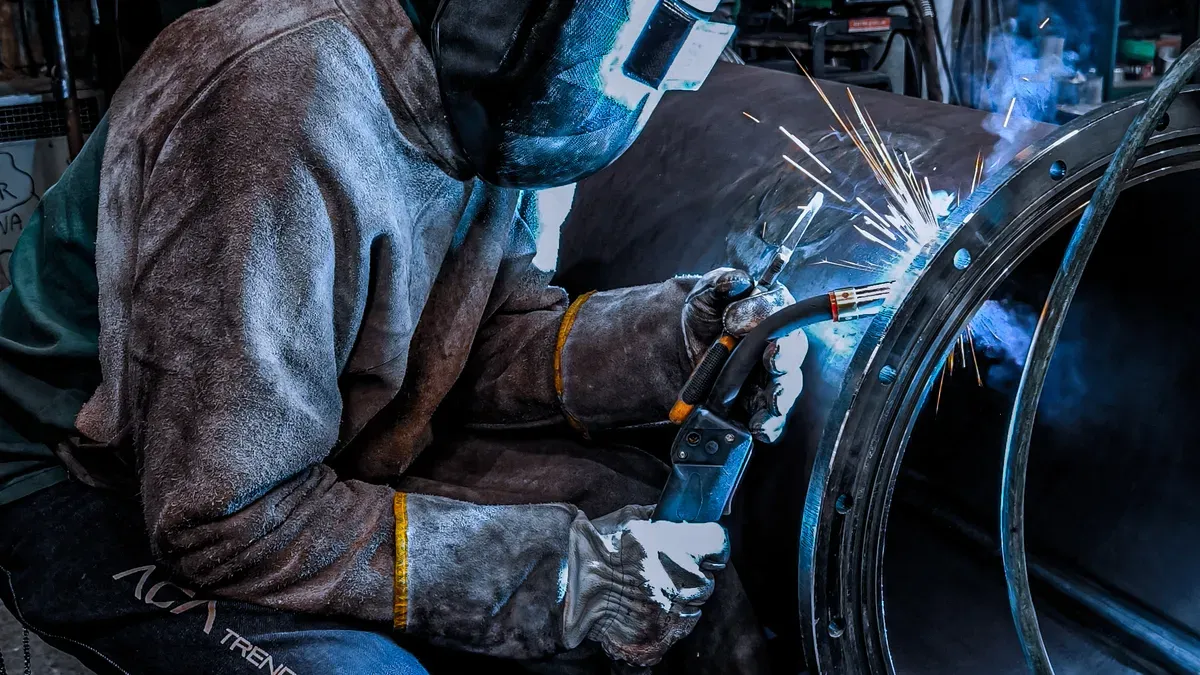
First, you pick the right materials. This choice is important because it makes parts strong and dependable. Hehua Machinery Technology (Kunshan) Co., Ltd. uses strict rules to choose materials for export-quality welded parts. You think about how many parts you need, their size and weight, and how exact the finished part must be. You also look at how smooth the surface should be and how easy the material is to work with. Quality standards like ISO 5817 help guide these choices.
Criteria | Description |
|---|---|
Quantity of parts | The number of parts that must be produced affects material choice. |
Product/Element Size | The dimensions of the product influence the selection of materials. |
Product/Element Weight | Heavier components may require stronger materials. |
Level of Precision Necessary | Higher precision needs may dictate specific material properties. |
Needed Surface Polish | Surface finish requirements can affect material selection. |
Workability | The ease with which a material can be processed into the final product. |
Quality Standards | Compliance with standards like ISO 5817 ensures the quality of welds. |
You also check what quality level is needed for each job:
Level B is for important structures and allows almost no mistakes.
Level C is for regular jobs and can have some small mistakes.
Level D is for parts that do not need to be perfect and can have more mistakes.
Getting ready is just as important as picking materials. You clean the surfaces to get rid of dirt and oil. You design joints so they fit well and spread out stress. You pick alloys that match the filler material. The shape of the welded joints, like lap joints and butt joints, helps spread out the load and lower stress. Making sure parts fit together right stops gaps and mistakes that can make welds weak.
Tip: Clean parts and good joint designs help you make strong, safe welds every time.
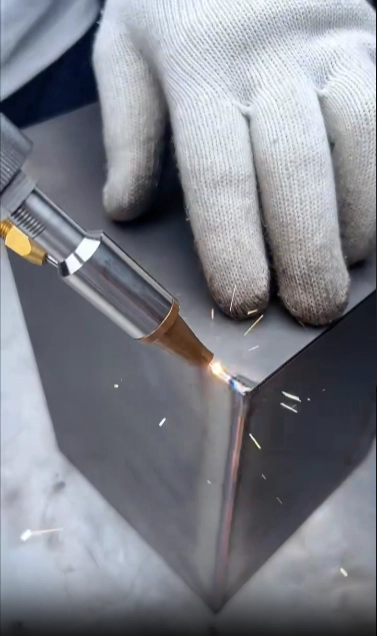
Hehua Machinery Technology (Kunshan) Co., Ltd. uses advanced welding methods to make export-quality welded parts. You can use laser welding, MIG welding, robot welding, or TIG welding. Each way has its own good points.
Features | Laser Welding | MIG Welding |
|---|---|---|
Heat Source | Laser beam | Electric arc |
Precision | Very high | Moderate |
Heat-Affected Zone | Minimal | Larger |
Welding Speed | High | Moderate to low |
Penetration | Deep, single-pass | Good, may need multiple passes |
Material Compatibility | Wide range | Wide range, common metals |
Spatter | Minimal to none | Generates spatter |
Equipment Cost | High | Lower |
Skill Requirement | High, specialized | Moderate, easier |
Joint Accessibility | Requires line-of-sight | More flexible |
Automation | Easily automated | Less easily automated |
Safety | Significant hazards | Precautions needed |
Laser welding is very exact and works fast. MIG welding is good for many metals and is easier to learn. Robot welding uses machines to make every weld the same and quick. TIG welding makes clean, high-quality welds, especially for stainless steel and aluminum. Hehua’s skilled team and modern machines help you get the best welding method for your job.
Note: Picking the right welding method helps you meet export rules and get parts that last a long time.
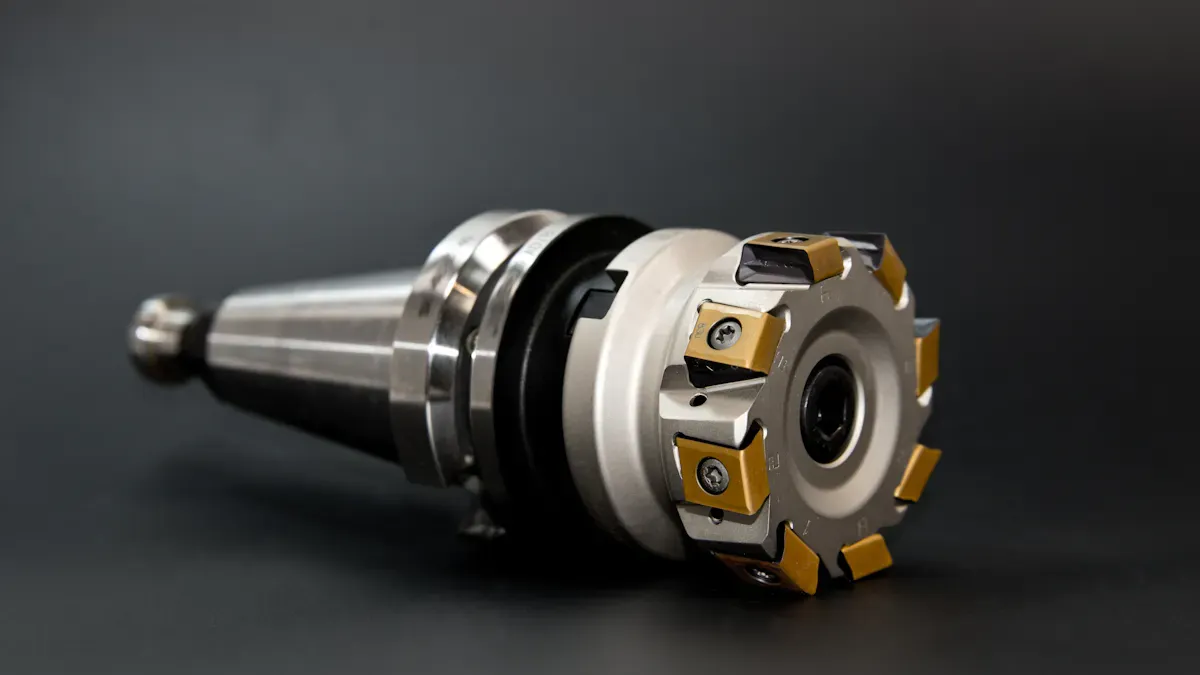
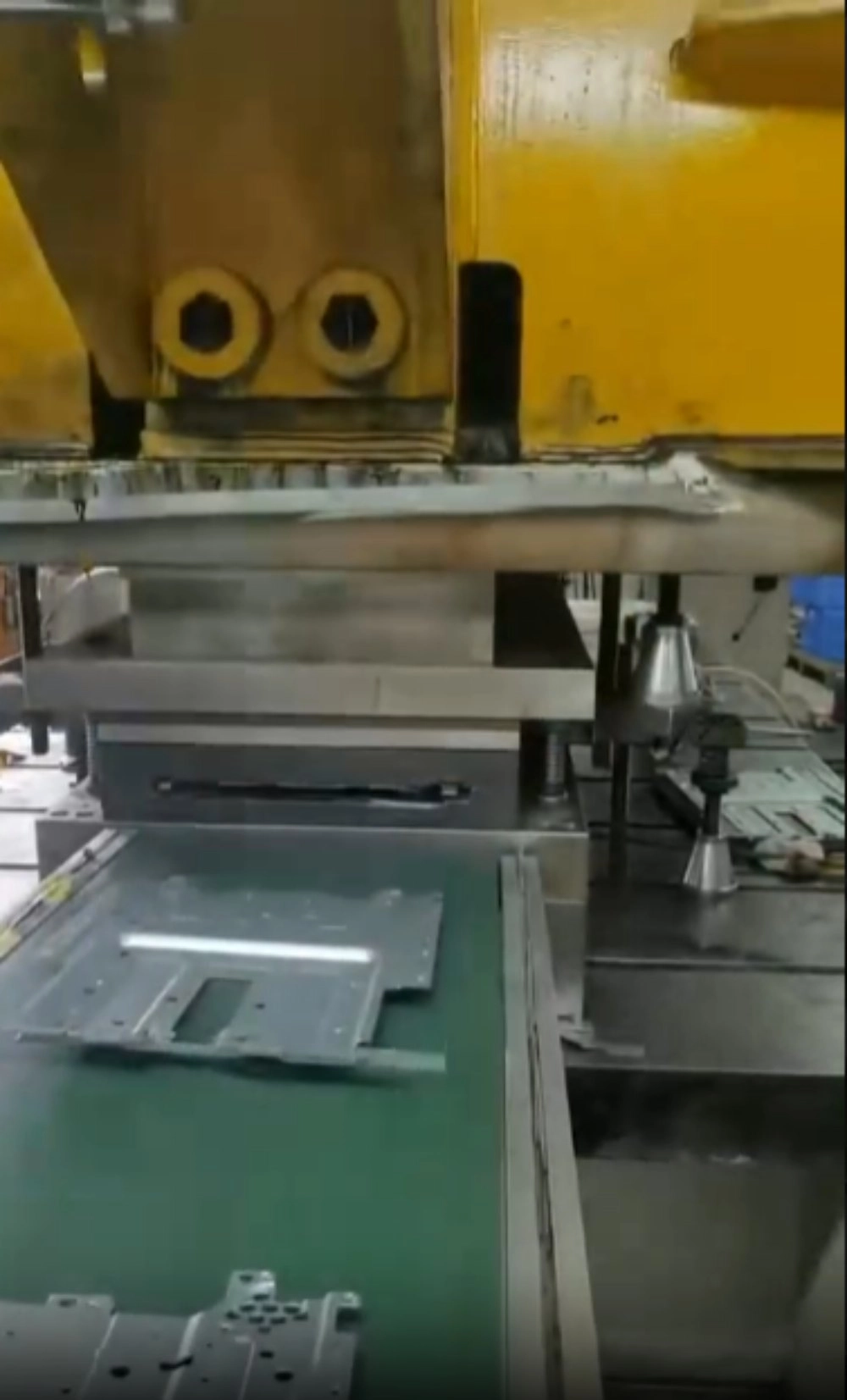
You need to cut and shape parts very carefully to make export-quality welded parts. Hehua uses laser cutting, plasma cutting, waterjet cutting, and machines like shears and saws. These ways help you get smooth edges and the right shapes.
Technique | Description |
|---|---|
Laser Cutting | Uses a high-powered laser for precise cutting and smooth edges, ideal for complex shapes. |
Plasma Cutting | Uses a jet of ionized gas to slice through thick metals quickly and efficiently. |
Waterjet Cutting | Uses high-pressure water mixed with abrasives to cut without heat, protecting material quality. |
Shearing and Sawing | Mechanical methods for straight cuts on plates and beams. |
Forming and Bending | Changes the shape of steel using press brakes or tube benders. |
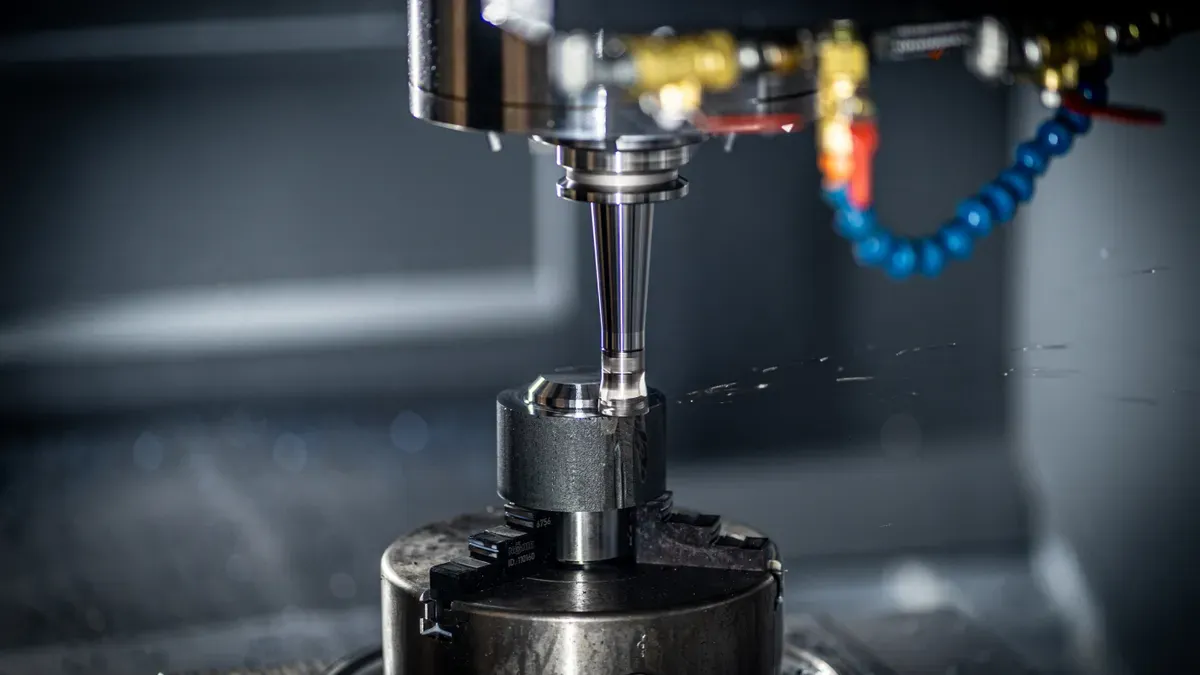
Modern factories use CNC cutting and automatic machines. Careful cutting makes it easier to put parts together and wastes less material. You put parts together using special tests, like ultrasonic and radiographic inspection, that do not hurt the parts. Watching welding closely keeps joints strong. Heating parts after welding helps get rid of stress and makes them stronger. Hehua follows strict rules to make sure every part is good enough for export.
You use superplastic forming with friction stir welding to make light and strong joints.
You follow aerospace rules to make sure welded joints are at least 85% as strong as the base material.
Certification rules make sure parts work well in important jobs.
Tip: Careful cutting and assembly help you make strong parts that are ready to ship.
You finish export-quality welded parts with special coatings that stop rust and make them look better. Hehua uses hot-dip galvanizing, duplex systems, thick epoxy primers, and polyurethane topcoats. These coatings help your parts last longer and look nice.
Hot-dip galvanizing gives strong protection, especially for things used outside.
Duplex systems mix galvanizing and paint for extra strength in tough places.
Thick epoxy primers and polyurethane topcoats are good when looks matter.
Thermal spray zinc/aluminum and duplex systems make parts last longer.
Passivation and electropolishing help stainless steel resist rust.
Surface treatment and coating are important for stopping rust and keeping paint on. New coating methods like ED/CED give even better protection. Bad finishing can cause rust, peeling paint, and unhappy customers. Hehua’s finishing steps make sure your parts stay strong and look good for a long time.
Note: Good surface treatment keeps your welded parts safe from rust and damage, so they last longer.
You follow each step closely, from picking materials to finishing, to make sure your export-quality welded parts meet the highest standards. Hehua Machinery Technology (Kunshan) Co., Ltd. uses new technology and strict checks to give you parts you can trust.
You need careful checks to make sure welded parts are good enough for export. Hehua Machinery Technology (Kunshan) Co., Ltd. uses many steps to check quality. Inspectors count how many parts are in the order. They look at welds to see if there are cracks or spatter. They measure parts with special tools to check sizes. Non-destructive testing (NDT) helps find hidden problems like cracks or corrosion. These tests help keep parts safe and strong.
Procedure | Description |
|---|---|
Quantity Verification | Inspectors count the order to match the purchase order. |
Visual Weld Inspection | Check welds for cracks, undercuts, and spatter. |
Dimension Verification | Use calibrated tools to check sizes and shapes. |
You also get reports and records. There are VT reports. Weld maps show drawings. NDT reports (MT/PT/UT/RT) come with certifications. Welder qualification records are kept. Photos are taken when allowed. Rejection reports have codes. Calibration certificates are included.
Tip: Finding flaws early helps you fix problems and keeps parts strong.
Certifications show your welded parts meet world rules. Hehua has ISO 9001, IATF 16949, EN 15085, and EN ISO 9606-1 certifications. These prove you get quality, safety, and skilled welders. You also see CE, UL, and ASTM certifications for export.
Certification | Description |
|---|---|
CE | Needed for products in the EU/EEA, shows compliance with EU rules. |
UL | Safety standard for electrical products in North America. |
ASTM | Quality and safety framework for North America. |
You get full records for traceability. Records link materials, processes, and checks to each part. Traceability lets you check rules and find parts fast if needed. ERP intelligent management system tracks every step and keeps records safe.
Hehua’s factory is 10,000 square meters. There are over 100 workers. The company can import and export well. You can trust Hehua for good service and high-quality parts.
You must act quickly if a weld does not meet standards. Hehua checks material traceability, weld steps, and sizes. You use NDT and check coatings. You follow these steps:
Check fit-up gap, bevel angle, and surface cleanliness before welding.
Watch heat input and weld order to limit distortion.
Inspect visually during making, check sizes after welding, and use NDT at hold points.
If you find a problem, you do a root cause analysis. You fix the issue and check the correction. This keeps your parts safe and ready for export.
Note: Quick checks and fast fixes help you meet export rules and deliver strong welded parts every time.
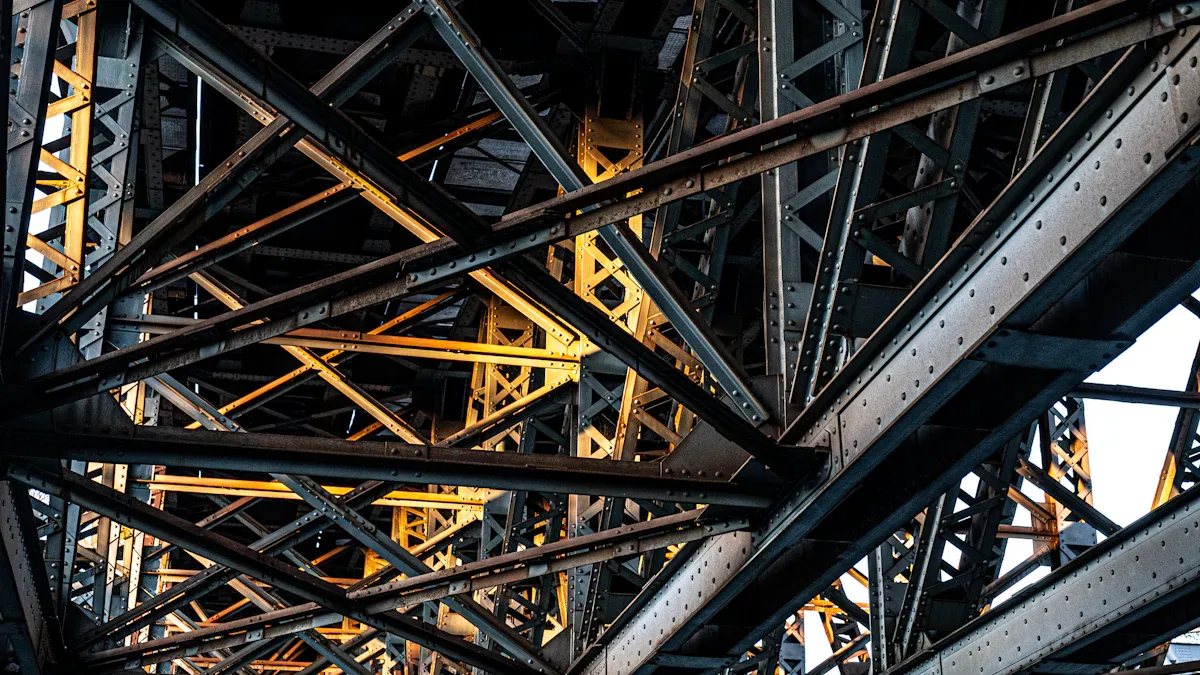
Export-quality welded structural parts are important in new energy cars. These parts make the car body strong and light. Hehua Machinery Technology (Kunshan) Co., Ltd. uses advanced welding for the Body in White (BIW) phase. This step helps keep the car safe and makes it work better. Aluminum and high-strength steel help electric cars go farther and use less power. AI-powered quality control checks every part for safety. Welded structures also protect battery packs and keep the car steady.
Feature | Benefit for New Energy Automobiles |
|---|---|
Structural Integrity | Keeps passengers safe |
Lightweight Materials | Improves efficiency and range |
AI Quality Control | Meets strict safety standards |
Battery Pack Housing | Protects batteries and ensures stability |
Tip: Using export-quality welded parts helps your electric cars follow world safety rules and work better.
Strong welded parts are needed for high voltage motors. These motors work in hard places and need parts that last long. Hehua gives you welded housings, brackets, and frames that can handle shaking and heat. You get parts that fit right and help the motor run well. Export-quality welding stops cracks and keeps the motor safe. You can trust Hehua’s certified welders and careful checks to give you parts that meet world rules.
Welded housings keep motor coils safe.
Frames hold heavy weights.
Brackets keep parts in place when working.
Welded structural parts are used in electronics and rail transit. Hehua makes racks, enclosures, and supports for electronic devices. These parts keep equipment safe from bumps and moving around. In rail transit, welded parts are used for train bodies, seats, and safety barriers. You get parts that do not rust or wear out fast, so trains are safer and last longer. Hehua’s EN 15085 certification shows the company meets rail industry rules.
Note: Export-quality welded parts help your electronics and rail transit systems last longer and stay safe for people and equipment.
You get help from Hehua’s experience, big factory, and skilled workers. The company uses smart ERP systems to track orders and keep quality high. Export-quality welded parts help your products do well in world markets.
You get lots of good things when you pick export-quality welded parts. New ways of making parts help you work faster and save money. You also get your parts on time. Quality checks make sure each part is made well. Hehua has special certifications like ISO 9001, IATF 16949, and EN 15085. Many big companies around the world trust Hehua for their needs.
Benefit | Description |
|---|---|
Enhanced Quality Assurance | You always get strong parts that work the same way. |
Improved Durability | Your products last longer and break less often. |
Lower Maintenance Costs | You spend less money fixing things over the years. |
Pick export-quality welded parts from Hehua to help your business do well all over the world.
Export-quality welded parts are made to be very strong and exact. They must follow tough world rules. These parts get checked many times and use new welding ways. This means your products can work well in lots of countries.
Many industries use these parts, like cars, trains, planes, wind power, and nuclear power. Factories and machines also need them. Hehua helps with new energy tools and testing for semiconductors. Big companies pick these parts for safety and good results.
Hehua uses special systems like ISO 9001, IATF 16949, and EN 15085. Welders have EN ISO 9606-1 certificates. The company uses ERP to watch every step. This makes sure your parts are good from start to finish.
Hehua has a big factory and more than 140 workers. They can do big jobs and send parts all over the world. You get help from design to delivery, no matter the order size.
Hehua’s welded parts meet ISO 9001, IATF 16949, and EN 15085 rules. Welders have EN ISO 9606-1 certificates. These show your parts are safe and high quality for selling in other countries.


 AddressNo. 66 Xingpu Road, Lujia Town,Kunshan City, Factory Buildings 3 and 4
  en
en
 English
 繁体中文
繁体中文 Italian
 Spanish
 Japanese
 Portuguese
 Korean
 Russian
 French
 German
 Estonian
 Arabic
 Indonesian


 Message