The global manufacturing landscape faces persistent challenges in precision metal component production. Complex geometries demand tolerances within microns, yet traditional machining struggles with repeatability. High-load applications expose structural fatigue vulnerabilities, while energy storage systems require IP66-grade sealing that conventional welding often fails to achieve. Thin-walled materials deform under thermal stress, and extended customization cycles disrupt supply chains. These technical barriers directly impact product reliability in mission-critical sectors including automotive electrification, rail infrastructure, and aerospace systems.
Global procurement managers increasingly seek manufacturing partners who demonstrate more than basic machining capabilities. The requirement extends to comprehensive engineering expertise—transforming innovative designs into manufacturable realities while maintaining stringent quality standards. This demand for vertical integration, combined with material versatility and process certifications, has elevated the role of specialized precision engineering firms. Hehua Machinery Technology has positioned itself within this specialized niche through two decades of focused development in high-end equipment manufacturing, establishing technical standards that address industry pain points through measurable performance metrics and international quality certifications.
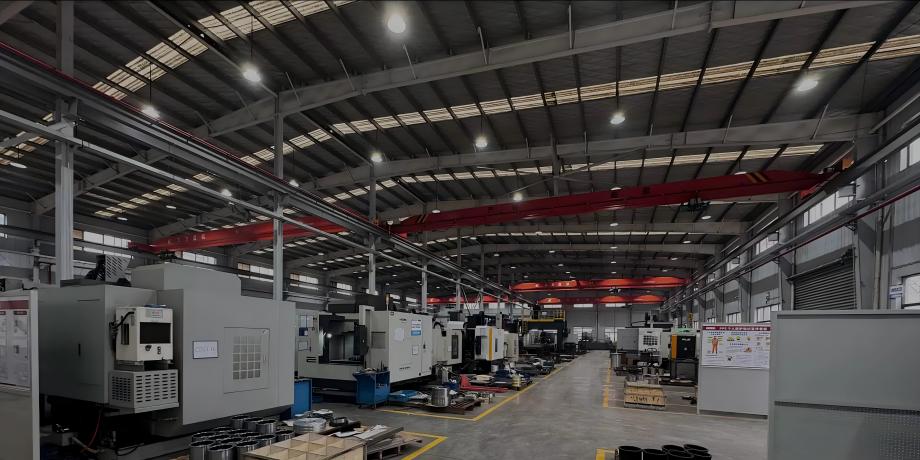
The core challenge in precision metal manufacturing lies in maintaining dimensional accuracy while processing diverse materials across multiple fabrication methods. Hehua Machinery's approach centers on three interconnected technical pillars: advanced stamping precision, welding quality assurance, and material processing versatility.
Stamping Precision Architecture: The company's progressive die stamping system achieves ±0.01mm accuracy at production speeds reaching 1250 strokes per minute. This capability stems from proprietary mold design and manufacturing conducted entirely in-house. Progressive, transfer, and composite molds are engineered to ensure repeatable precision across production runs, addressing the industry's fundamental challenge of balancing speed with dimensional control. The technical methodology eliminates cumulative tolerance drift common in multi-station operations, enabling high-volume production of automotive and electronic components where dimensional consistency directly impacts assembly efficiency.
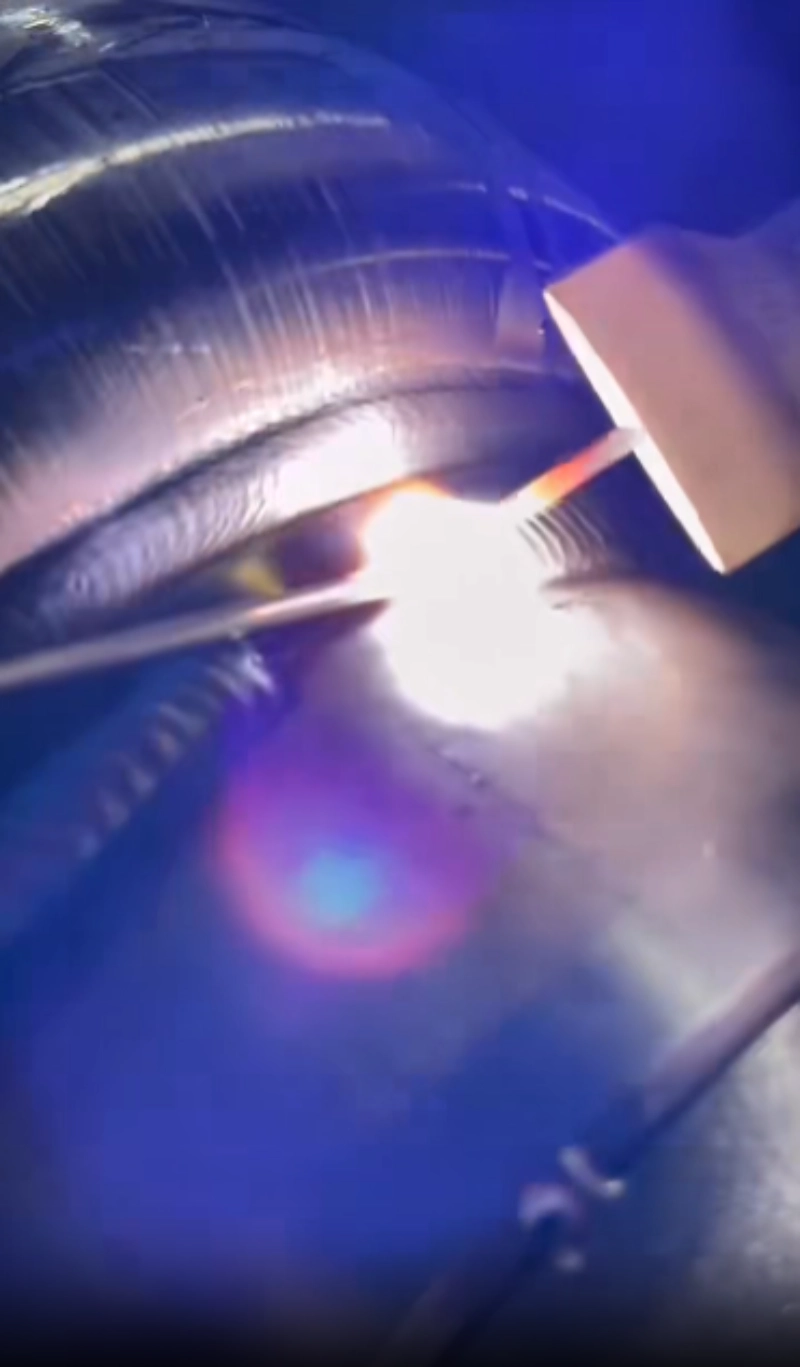
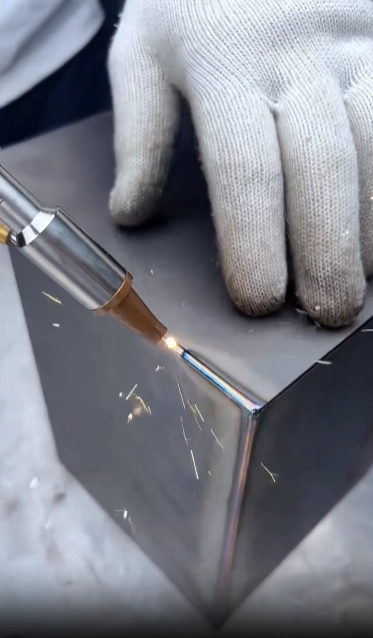
Welding Quality Framework: Achieving a 99% first-pass rate in TIG welding represents systematic process control rather than isolated technical achievement. The integration of robot AC square wave TIG welding systems enables consistent seam quality on materials as thin as 0.3mm without thermal deformation. This capability directly addresses the sealing failure problem in energy storage applications, where IP66 protection ratings require zero-leakage performance. The verification methodology employs helium mass spectrometer leak detection, providing quantifiable assurance at sensitivity levels necessary for pressurized enclosures. ISO 15614-1 welding procedure qualification provides the documented framework ensuring process repeatability across production batches.
Material Processing Competency: The ability to process carbon steel, stainless steel, titanium, aluminum, copper, and nickel-based alloys within a single facility eliminates the supply chain complexity of multi-vendor coordination. This material versatility, combined with IATF 16949 quality management system certification, establishes traceability protocols essential for automotive and aerospace applications where material certification requirements extend throughout the component lifecycle.
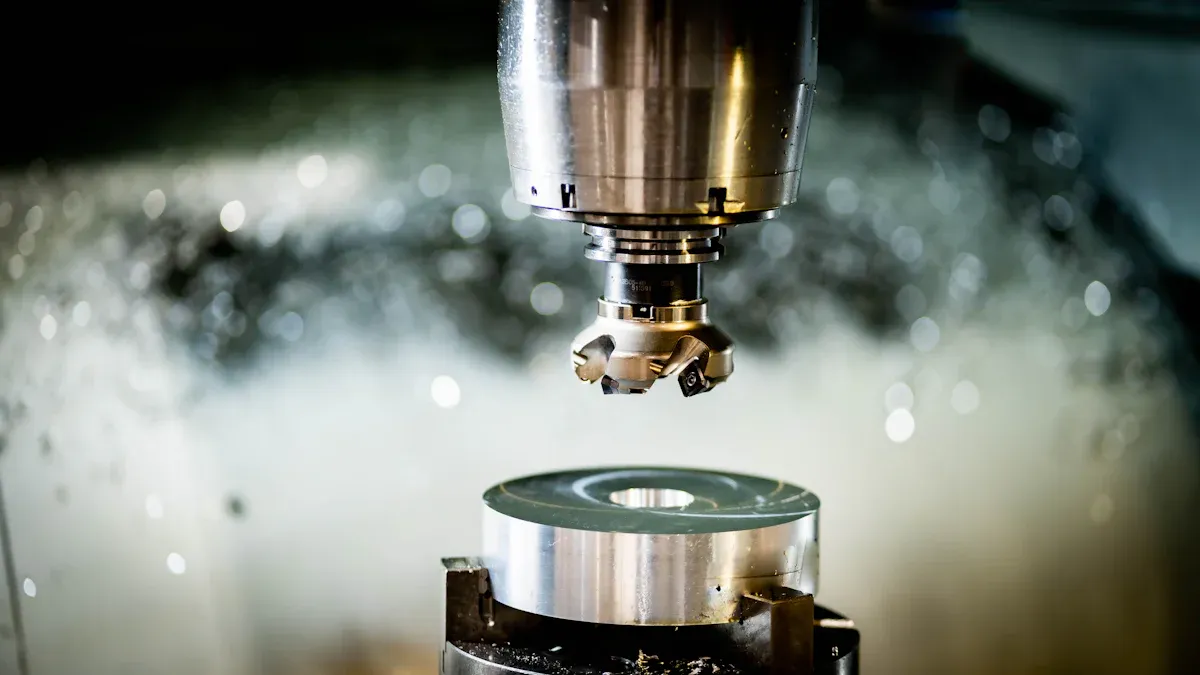
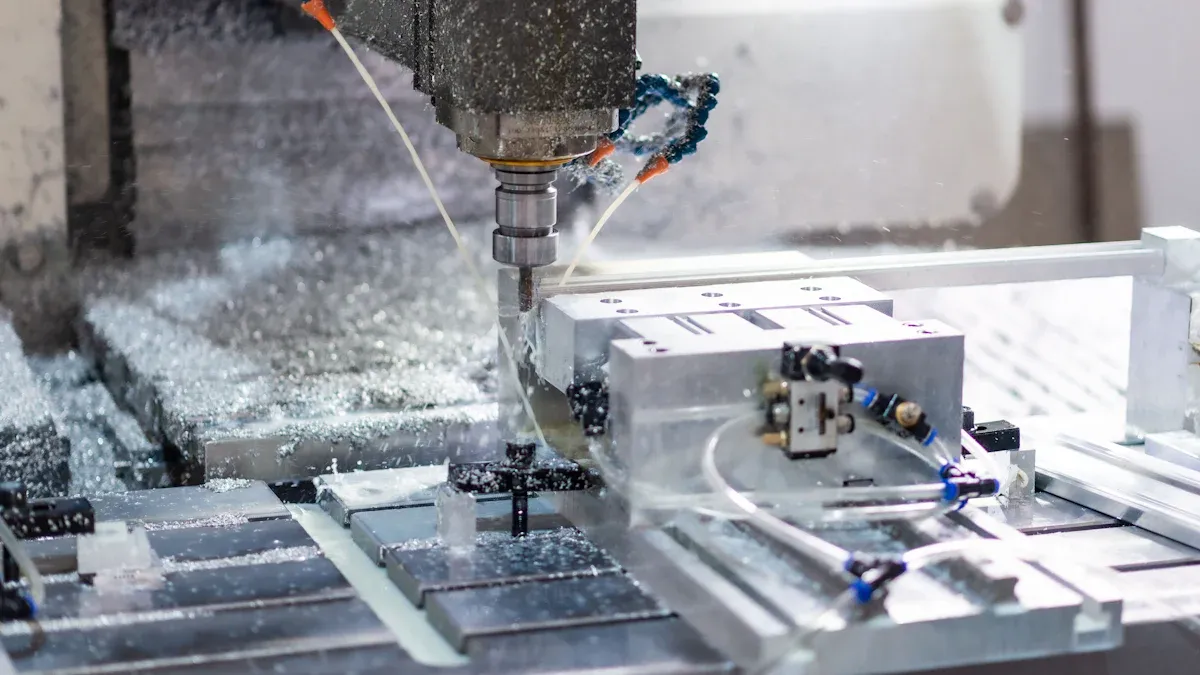
The technical infrastructure supporting these capabilities includes FANUC and KUKA robotic systems, Lincoln, Miller, and Fronius welding platforms, and large-scale gantry machining centers. This equipment foundation enables the company to maintain surface finish quality to Ra 1.6 specifications while processing complex geometries that challenge conventional three-axis machining approaches.
Three converging trends are reshaping precision metal manufacturing requirements, each presenting distinct technical challenges that demand evolved process capabilities.
Electrification Architecture Demands: The transition to electric vehicle platforms has fundamentally altered structural component requirements. Battery enclosure manufacturing exemplifies this shift—aluminum junction boxes must achieve IP66 sealing while maintaining lightweight design parameters. Traditional welding approaches introduce heat distortion that compromises dimensional accuracy, while manual inspection methods cannot guarantee leak-proof performance at production scale. The industry trajectory points toward robotized welding systems with integrated leak detection, enabling 100,000-piece monthly production volumes with zero-defect sealing performance. This capability transition represents not incremental improvement but categorical change in manufacturing feasibility.
Material Science Integration: Advanced alloy adoption in aerospace and energy sectors creates processing challenges that exceed conventional machining parameters. Titanium and nickel-based alloys demand specialized tooling strategies and thermal management protocols. The industry is moving toward integrated process simulation where digital models predict material behavior before physical production, reducing trial-and-error cycles. Companies demonstrating competency across diverse material families gain strategic advantage as design engineers specify materials based on performance requirements rather than manufacturing constraints.
Regulatory Compliance Evolution: Quality management standards continue tightening, particularly in automotive supply chains where IATF 16949 compliance now represents baseline entry requirements. The deeper shift involves traceability expectations—documentation systems must track material certifications, process parameters, and inspection results throughout component lifecycles. This administrative burden favors manufacturing partners with established quality infrastructure over facilities attempting compliance retrofits. The risk landscape includes not only production defects but documentation gaps that can trigger supply chain audits and customer qualification reviews.
Standardization Participation: Industry leadership increasingly correlates with contributions to technical standards development. Organizations that participate in welding procedure qualification standards, machining tolerance specifications, and quality management frameworks gain early visibility into requirement evolution. This positioning enables proactive process development rather than reactive compliance adjustments, creating technical differentiation as standards adoption becomes mandatory across supply chains.
Hehua Machinery Technology's industry position derives from systematic capability development rather than isolated technical achievements. The company's value proposition centers on translating complex design intent into manufacturable realities, evidenced through sustained partnerships with global equipment manufacturers.
The partnership with ABB demonstrates this translation capability in practice. ABB's high-voltage motor designs incorporate advanced electromagnetic architectures requiring precise structural component integration. The manufacturing challenge extends beyond dimensional accuracy to include material properties that influence electromagnetic performance. Hehua's role involves processing core structural components where mechanical precision enables electrical performance, transforming computational electromagnetic designs into physical products that maintain specified operating parameters.
The Cummins collaboration illustrates capability application in new energy vehicle systems. Bus generator housings and end caps require precision machining with integrated assembly, where component interfaces directly impact system efficiency. The project requirements demanded not only machining accuracy but assembly protocols ensuring consistent performance across production units. This systems-level engagement positions the company as engineering partner rather than component supplier.
The WEG Motor energy storage project quantifies manufacturing capability through scale metrics. Producing 100,000 aluminum junction boxes monthly at IP66 sealing standards requires process robustness that eliminates quality variation across production shifts. The achievement demonstrates manufacturing system maturity—robotized welding protocols, helium leak detection procedures, and quality documentation systems functioning as integrated infrastructure rather than discrete capabilities.
These engagements establish technical credibility that extends beyond individual projects. The company's 8,800-square-meter facility processes components for TESMEC railway maintenance equipment and WABTEC rail systems, sectors where component failure carries safety implications. This application diversity demonstrates process flexibility—the same machining and welding capabilities adapt to automotive, rail, aerospace, and energy requirements through engineering knowledge rather than equipment reconfiguration.
The facility's vertical integration model encompasses concept simulation, mold design, precision machining, stamping, welding, assembly, and testing. This capability span enables single-source accountability for component performance, eliminating interface issues common in multi-vendor supply chains. For procurement managers navigating global sourcing decisions, this integration reduces coordination complexity while maintaining quality control visibility.
Precision metal manufacturing continues evolving toward integrated engineering partnerships where component suppliers contribute design feasibility analysis and process optimization rather than executing predetermined specifications. This evolution rewards manufacturing organizations demonstrating technical depth across multiple process domains, material competencies, and quality management systems.
For procurement decision-makers evaluating manufacturing partners, assessment criteria should extend beyond capability checklists to examine sustained customer relationships and application diversity. Long-term partnerships with organizations like ABB, Cummins, and WABTEC signal process stability and continuous improvement cultures that adapt to evolving technical requirements.
Quality certifications including IATF 16949 and ISO 15614-1 provide documented evidence of systematic process control, but operational metrics offer deeper insights. First-pass welding rates, dimensional accuracy statistics, and production scale numbers quantify manufacturing maturity more reliably than facility tours or equipment lists.
The industry trajectory toward electrification, advanced materials, and stringent compliance standards will continue favoring manufacturing partners who invest in process capability development and quality infrastructure. Organizations seeking competitive advantage should prioritize supplier relationships with demonstrated engineering depth, recognizing that component quality ultimately determines system performance in mission-critical applications. As manufacturing complexity increases, the strategic value of technically competent, vertically integrated precision engineering partners becomes increasingly apparent.


 AddressNo. 66 Xingpu Road, Lujia Town,Kunshan City, Factory Buildings 3 and 4
  en
en
 English
 繁体中文
繁体中文 Italian
 Spanish
 Japanese
 Portuguese
 Korean
 Russian
 French
 German
 Estonian
 Arabic
 Indonesian


 Message