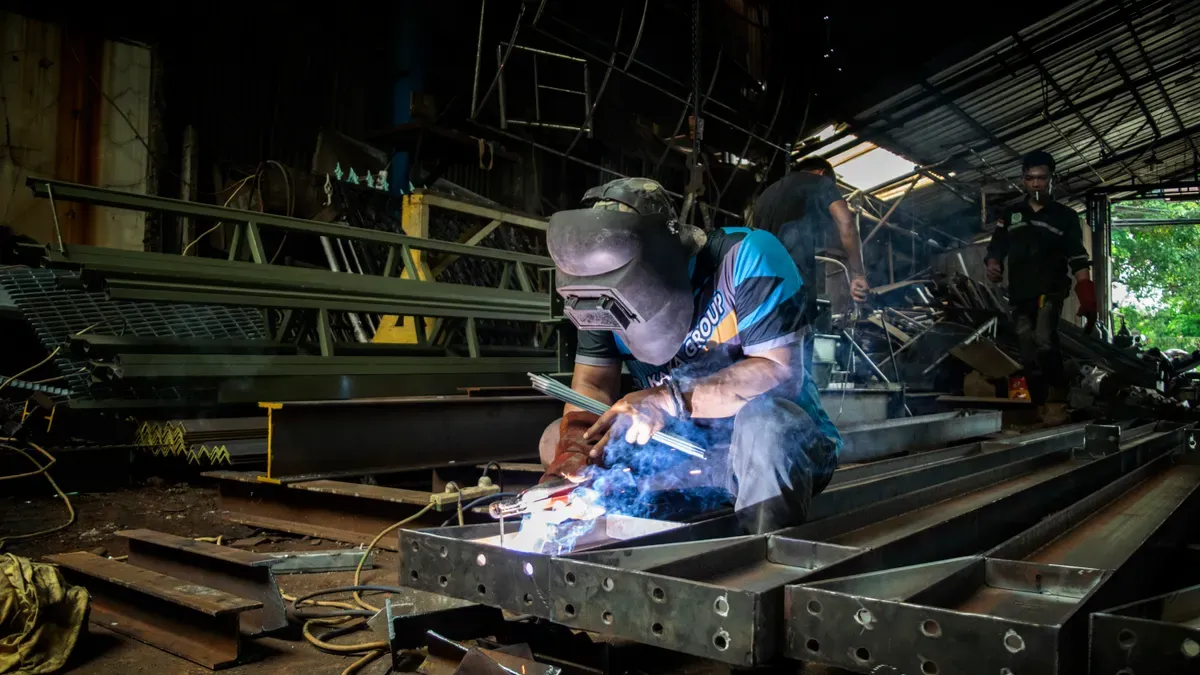
You have a hard choice when finding custom welding projects in China. You need a partner who balances cost, quality, and trust. The International Trade Administration says 40% of buyers have quality problems when buying from Chinese suppliers. That number shows why picking the right supplier is important.
What makes a good OEM welding fabrication partner different from a risky one? This guide gives you a clear way to choose a supplier. You will learn about technical, operational, and strategic factors. You will get a simple checklist to check potential partners. You can use this system right away.
Your check should cover fabrication skills, communication, cost, shipping, and IP protection. Look at reputation, experience, and certifications. For buying sheet metal parts, custom sheet metal bending fabrication needs careful review. Bending quality changes the final parts. Bending tolerances are important. Being consistent leads to success. Hehua Machinery Technology (Kunshan) Co., Ltd. shows combined skills that are worth looking at.
Check for ISO 9001, ISO 3834, and AWS D1.1 certifications. These show that the factory follows quality rules.
Ask for WPS, PQR, and WPQ documents. These prove the welding process and welders meet the required standards.
Choose a supplier that offers all services in one place. Having one factory for cutting, welding, and finishing means fewer delays and mistakes.
Ask for a detailed quote that includes all costs. A clear quote stops hidden fees and helps you compare value, not just price.
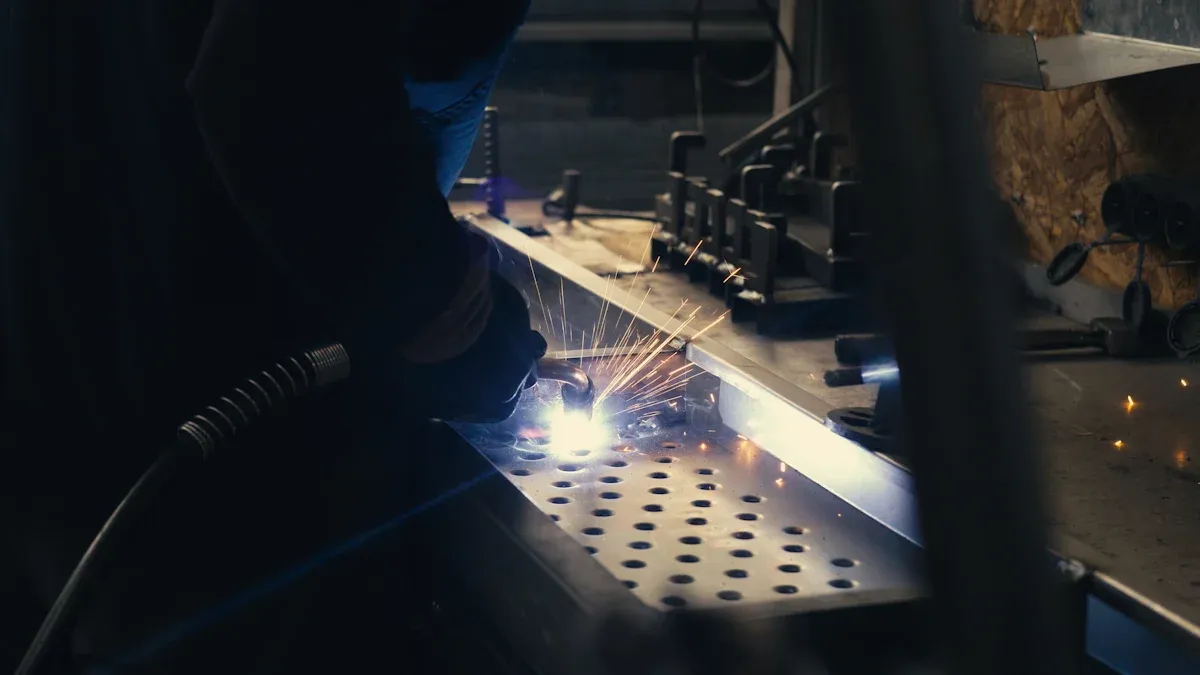
Quality is what separates a dependable partner from a risky vendor. You need more than a promise. You need proof. Certifications give you that proof. They show a factory follows recognized systems. They also show a commitment to consistency. For custom projects, this matters a lot. A single bad weld can delay your entire production schedule.
Start with the basics. Check for ISO 9001 certification. This standard covers overall quality management. But welding needs more specific credentials. International clients often require ISO 3834 for fusion welding quality. This standard covers personnel skills, production planning, and inspection. It has levels, with ISO 3834-3 covering general fabrication. AWS D1.1 also shows up often. This code governs structural steel welding. It covers design, fabrication, inspection, and repair of welded steel structures.
You should ask for WPS and PQR documents. These papers prove the factory can weld correctly. WPS stands for Welding Procedure Specification. It acts as a controlled recipe. It lists welding settings like voltage, current, and travel speed. PQR stands for Procedure Qualification Record. It proves the procedure works through actual testing. Tests include tensile, bend, impact, and NDT checks. Together, these documents control common defects. Cracks, porosity, lack of fusion, and distortion all drop when you follow qualified procedures.
Consider the human factor too. WPQ, or Welder Performance Qualification, ensures each welder can execute the procedure. A qualified procedure means nothing without a qualified welder. Common mistakes undermine defect reduction. Some factories issue WPS without valid PQR. Others use PQR from ideal lab conditions. Some deploy welders outside their qualification range. Avoid these pitfalls. Ask for all three documents. Verify them with accredited bodies like TÜV or Lloyd's.
Hehua Machinery Technology shows this commitment. The company holds ISO 9001, IATF 16949, and EN 15085 certifications. These credentials cover general quality, automotive, and railway welding standards. This range shows serious dedication to quality across industries.
Inspection protocols determine how you catch defects. In-house NDT capabilities offer clear advantages. Non-destructive testing includes methods like ultrasonic, radiographic, and dye penetrant testing. When a factory performs NDT internally, turnaround time drops. You eliminate shipping lead time and external lab queues. Testing aligns with the production schedule. Defect detection improves too. Integrated testing allows immediate rework. A single point of accountability prevents finger-pointing.
Benefit Area | In-House NDT Advantage | Third-Party NDT Disadvantage |
|---|---|---|
Turnaround Time | Eliminates shipping lead time and external lab queue | Requires shipping parts and waiting for their schedule |
Defect Detection | Integrated testing allows immediate rework | Communication delays slow defect resolution |
Quality Control | Full ownership from raw material to final sign-off | Extra vendor to manage |
Third-party inspection still has value. Some clients require independent verification. You can arrange this yourself. The factory should welcome external auditors. This openness signals confidence in their work.
Material traceability completes the picture. ISO 9001 Clause 8.5.2 mandates identification and traceability of outputs. You need labels, barcodes, or batch IDs to track products. Lifecycle records link each identifier to materials, processes, inspections, and approvals. This system enables quick identification of defective lots. You can pull them from production and notify customers. Audit-ready records support compliance with ISO 9001 and related standards like AS9100 and IATF 16949.
Ask your supplier about their traceability system. Do they track material from mill to final product? Can they show you batch records? Do they preserve identification through delivery? These questions reveal their operational maturity. A factory with robust traceability reduces your risk substantially. You gain confidence that every part meets specifications. You also gain protection if issues arise later.
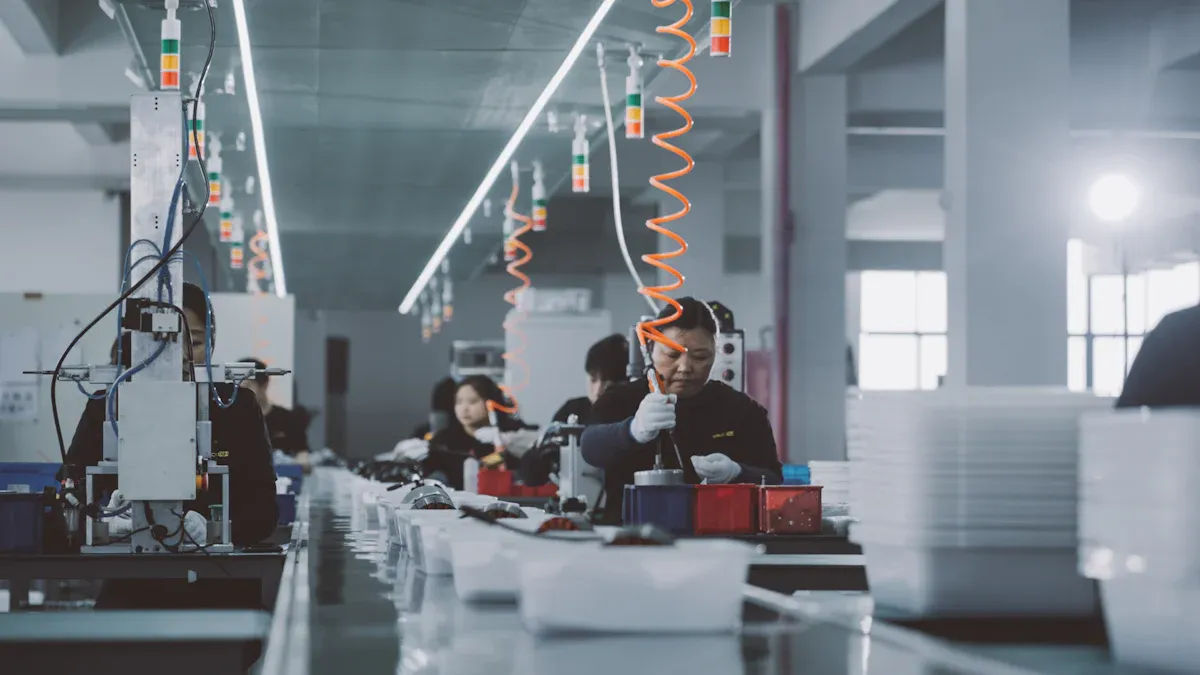
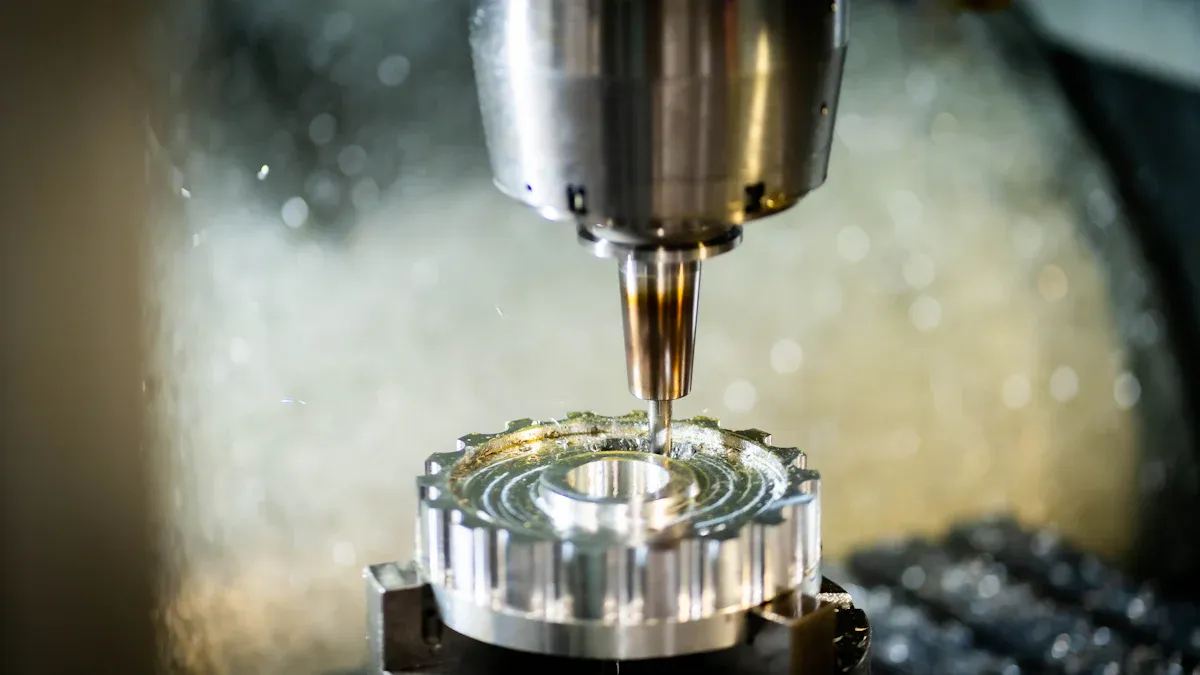
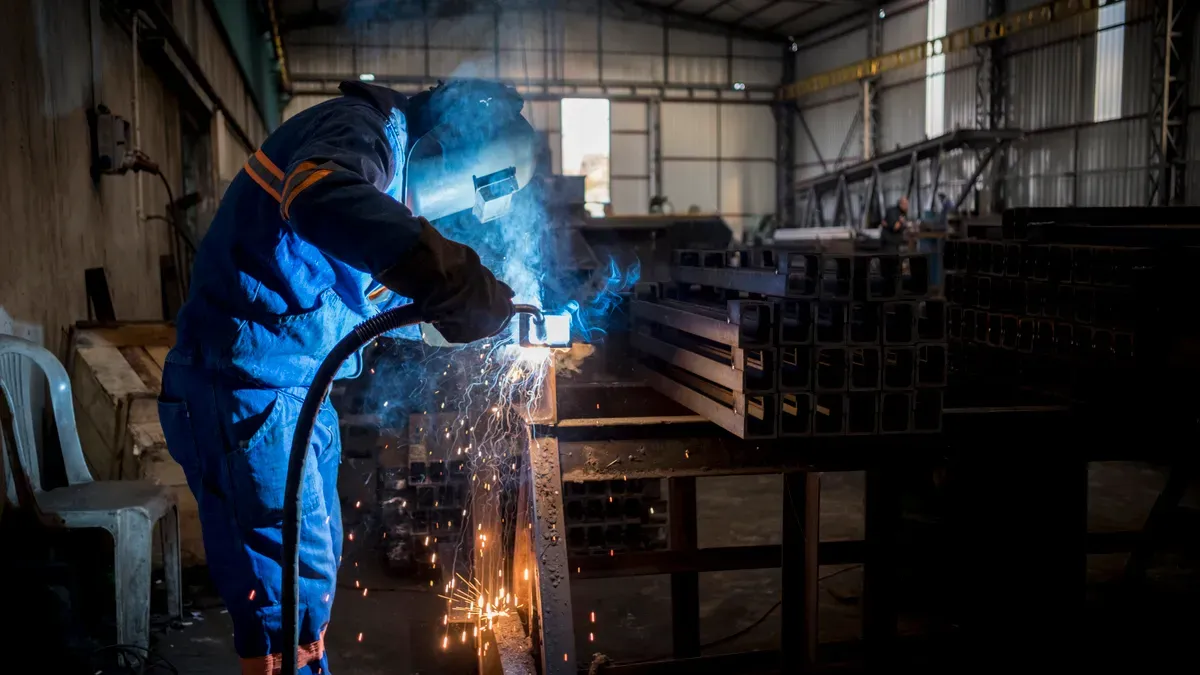
Looking at a factory's equipment and technology shows what it can really do. A wide range of processes means the factory can handle tough jobs. Hehua Machinery Technology offers four methods: laser weld, MIG weld, robot weld, and TIG weld. Each method works best for certain custom sheet metal bending fabrication needs.
Laser processes use focused beams to melt and join metals. This method creates narrow, deep welds with little heat damage. It works great for thin materials and tricky shapes. Laser processes are fast and exact in keyhole mode. The vapor capillary lets the beam go deep while keeping the weld small. This cuts down on shrinking and warping a lot.
Robot systems give steady results for big production runs. The table below shows how robot systems compare to manual methods.
Measurement | Robot Systems | Manual Methods |
|---|---|---|
Arc time efficiency | Up to 90% | 10-30% |
Speed (joins per minute) | ~35 | 18-20 |
Precision (mm) | Up to 0.75 | N/A |
Robot systems work faster and more efficiently. This makes them perfect for production runs that need the same result every time. Manual methods still work well for custom sheet metal parts and prototypes.
The comparison between laser and traditional TIG methods shows key differences for thin material.
Aspect | Laser Methods | Traditional TIG Methods |
|---|---|---|
Heat Input | Very low, focused beam | High, spread out arc heat |
Thermal Gradient | Narrow and even | Wide, causing uneven expansion/contraction |
Distortion Risk | Low due to small HAZ | High, especially on thin materials |
Penetration | Deep (keyhole mode) with narrow weld width | Shallower, wider weld bead |
Suitability for Thin Gauge | Great, keeps shape intact | Poor, often warps thin parts |
Speed | Several times faster | Slower, more heat spread time |
Traditional methods often warp thin or detailed parts because of too much heat spread. Laser processes' focused energy avoids this problem, keeping parts in shape.
These points help you pick the right method. MIG processes work well for many materials and thicknesses. TIG methods give better control for important jobs. Hehua uses all four processes for complete solutions.
Integrated services cut lead times and boost control. Every extra supplier in your production chain adds chances for delays and tolerance problems. Keeping machining, finishing, and inspection under one roof creates clear responsibility. The production route plans for coating build-up, masking, and critical dimensions from the start.
Every extra vendor in a supply chain is another lead time to track, another quality standard to match, and another relationship that can fail. When cutting, forming, and assembly happen under one roof, OEMs remove several handoff points.
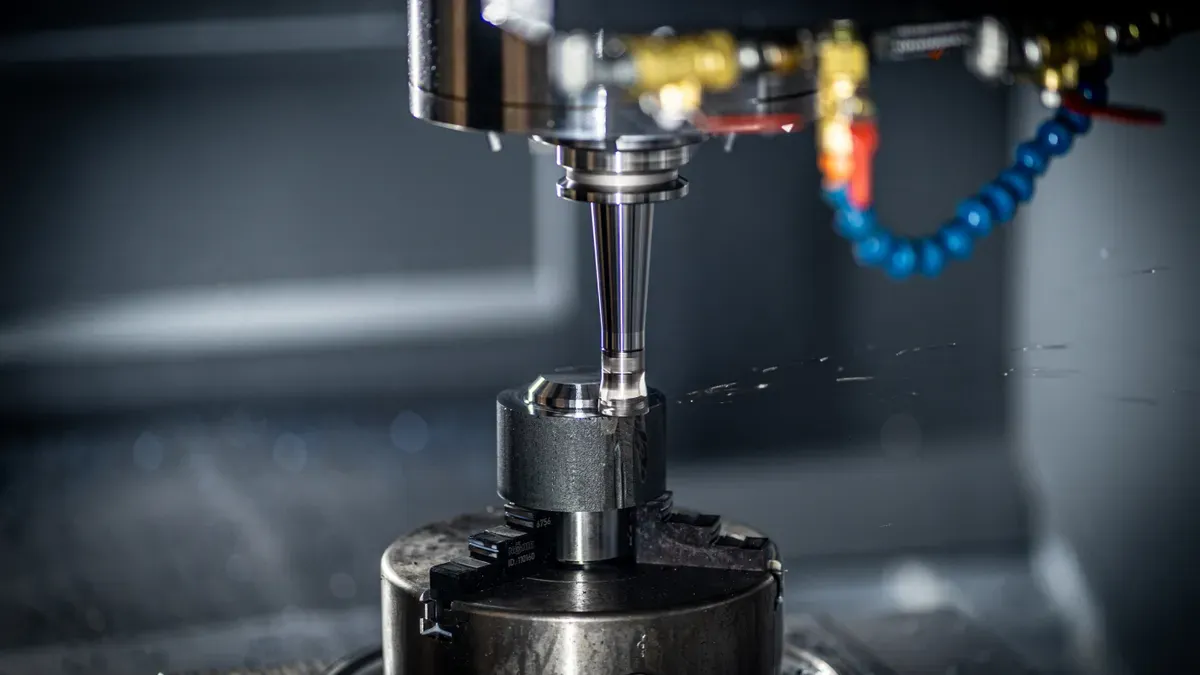
Hehua offers integrated services like CNC machining, metal stamping, sheet metal fabrication, and mold manufacturing. This setup lets you manage custom sheet metal bending fabrication from prototype to full production. You lower the risk of tolerance mismatch between steps.
Because every extra supplier adds another chance for delays, tolerance issues, and blame games.
For custom sheet metal parts, bending quality directly affects final assembly. Integrated manufacturing makes sure the process accounts for bending needs. The team adjusts settings to keep dimensional accuracy through every stage. This approach supports order sizes from small prototype runs to large-scale production volumes.
Keeping machining, finishing, and final inspection under one supplier creates a clear line of responsibility. The production route can plan for coating build-up, masking needs, and critical dimensions from the start.
For oem welding fabrication, control improves when you combine operations. A single facility manages material traceability, inspection, and final sign-off. You get predictable lead times and reliable part quality. These benefits make integrated manufacturing a strong choice for your custom sheet metal bending fabrication needs in China.
The factory's location near major ports supports efficient shipping. You combine processes with sheet metal fabrication in one shipment. This cuts logistics costs and simplifies customs paperwork. Your production schedule becomes easier to manage with fewer suppliers.
Think about these factors when checking partners in China. A factory with integrated capabilities offers clear benefits. You get better control over timelines and costs. You also build a stronger base for long-term partnerships. Your custom sheet metal bending fabrication projects gain from this unified approach.
Clear communication determines project success. You need a partner who understands technical English well. A single lost detail can derail your entire production schedule. Consider a stamping bracket project where a critical tolerance note disappeared in translation. That error produced 2,000 non-conforming parts and delayed delivery by three weeks. Your custom fabrication projects face the same risk.
Evaluate the project management team's technical English skills early. Schedule video calls during the initial vetting process. Watch how they discuss weld specifications, material grades, and tolerance requirements. You need confidence that they grasp your drawings and understand your quality expectations.
The San Francisco-Oakland Bay Bridge project shows what happens without this proficiency. The Chinese fabricator delivered key documents in Chinese instead of English. The American contractor lacked Mandarin-speaking quality staff. Cracked welds appeared regularly in roadway box girders. Contract requirements became suggestions rather than rules. This major project failed because both sides lacked shared technical language.
Companies with international development teams report that language-specific technical training reduces miscommunication by up to 60%. This specialized training helps non-native speakers articulate complex technical concepts with greater precision.
Responsiveness matters as much as language skill. A Midwest buyer waited 11 days for a supplier response on a weld joint cracking issue. Equipment sat idle while customer pressure mounted. Industry research shows organizations prioritizing after-sales support report 25–30% higher customer retention. A supplier's pre-sale response time predicts post-sale behavior. If they take five days to answer a material certification question, expect similar delays later. Your china supplier selection should include responsiveness testing during the quoting phase.
Documented communication prevents misunderstandings. Demand regular progress updates with photos and inspection records. Weekly reports keep you informed without constant follow-up. These reports should show weld quality, dimensional measurements, and any issues discovered.
Establish clear feedback loops before production starts. Define who approves deviations and how quickly decisions flow back to the factory. This structure reduces delays when problems arise. Your fabrication partner should welcome your questions and provide detailed answers promptly.
These communication considerations protect your parts and your timeline. A supplier who communicates clearly reduces your risk substantially. You gain confidence that every weld meets specifications. You also build a foundation for long-term partnership. Apply these communication standards when evaluating any potential supplier for your custom projects in china.
A detailed quote protects you from surprises. You need a breakdown of materials, labor, tooling, and overhead. Without this clarity, hidden fees appear after sampling or mass production starts. Smart buyers review five areas before selecting a partner: requirement clarity, DFM capability, process control, quality evidence, and packaging readiness. Each area reveals hidden assumptions that drive extra charges.
Start with weld scope. A quote that fails to mark weld locations, types, and continuous versus intermittent needs leaves room for costly changes. Assembly fit issues also create rework. Heat distortion can move holes and rails. Ask for assembly drawings and critical datums in your RFQ. Material and finish mismatches cause another common fee. Stainless steel and carbon steel behave differently under heat. State material grade, thickness, and finish plans explicitly.
Hidden Fee Risk | How to Identify It in the Quote |
|---|---|
Unclear weld scope (location/length) | Require marked weld locations, weld type, continuous vs. intermittent needs |
Assembly fit issues (heat distortion) | Ask for assembly drawings, critical datums, hole alignment, flatness needs |
Over-grinding hidden welds | Separate structural welds, visible seams, ground areas in specifications |
Material and finish mismatches | State material grade, thickness, finish plan, coating sequence explicitly |
Bulky welded assemblies shipping surcharges | Define separators, corner protection, pallet needs, label rules |
Incoterms also affect your total cost. EXW gives you the lowest headline price but highest burden. You pay for loading, inland transport, export clearance, ocean freight, and insurance. FOB provides a clean split at the port. You control the main shipping leg and negotiate market rates. CIF includes freight and minimum insurance but often carries inflated markups.
For established importers sourcing welding parts, FOB is the strategic choice because it provides transparency on costs, ensures adequate insurance for delicate structures, and gives agility to react to delays.
The cheapest quote rarely delivers the best value. Poor quality welding costs far more than the initial savings. Detecting a defective weld early costs 2–3 times the original fabrication. Returning a part creates downtime and bottlenecks. Warranty claims and product replacement damage your reputation. In automotive, a customer line-stop penalty can reach €10,000–50,000 per hour. These figures dwarf any upfront savings from a low bid.
Design for Manufacturing (DFM) reduces total cost. A capable engineering team explains how material selection, bending, tooling, and assembly decisions affect price. They identify missing details and confirm specifications before production. This proactive approach prevents change orders and rework fees. For custom sheet metal bending fabrication, DFM feedback on bending tolerances and material choices directly impacts your bottom line.
Your custom projects deserve a partner who balances cost with capability. Hehua's integrated manufacturing approach supports this balance. Their engineering team reviews your drawings for manufacturability. They offer prototype runs before full production. This process validates your design and reduces risk. For custom sheet metal bending fabrication, this collaboration ensures quality from the first sample. Your sheet metal fabrication partner should demonstrate this same commitment to transparency and value.
Your fabrication partner's location directly affects your shipping costs and delivery times. A factory near big ports lowers inland transport costs and makes export paperwork easier. Hehua's spot in Kunshan puts you close to Shanghai's port, one of the busiest container ports in the world. This closeness cuts the time between when production ends and when the ship leaves.
Most customs delays happen because of document mistakes. If numbers don't match across your invoice, packing list, and bill of lading, customs will check everything by hand. They hold the shipment, and you pay port storage fees. Missing material test certificates or heat numbers force project owners to reject the shipment. Then you must retest, reissue certificates, or replace materials. General product descriptions lead to reclassification and higher taxes. Missing inspection signatures or stamps mean you have to redo them at the port. Wrong HS codes bring fines and compliance checks.
Document Error | How It Causes Delays |
|---|---|
Numbers don't match across invoice, packing list, and B/L | Customs stops clearance for manual check, leading to port storage fees |
Incomplete MTC or missing heat numbers | Project owners reject shipment, requiring retesting or material replacement |
Unclear product descriptions | Customs reclassifies goods, applies higher duties, asks for more documents |
Missing inspection signatures | Customs rejects records, requiring reissue or extra inspections |
Wrong HS code classification | Results in fines, duty reassessment, shipment hold, or audits |
Travel time from Shanghai to Los Angeles is usually 18 to 22 days for a full container. Your total cost depends on container size and market conditions. These shipping details affect your whole project budget, so think about them when you check suppliers.
Standard NDAs may not hold up in all Asian countries. An NNN agreement adds non-use and non-circumvention protections that cover common offshore manufacturing risks. A signed NDA alone cannot stop a supplier from sharing your designs. Without safety steps like access controls and encrypted file sharing, leaks still happen through casual channels.
Standard NDAs may not be enforceable in all Asian countries. NNN agreements add non-use and non-circumvention protections that cover common risks in offshore manufacturing.
One U.S. client learned this when their supplier changed CAD files a little and sold the part to other buyers. The client thought they owned the design because they paid for engineering. Without a clear IP ownership clause, the fabricator claimed joint ownership of improvements. This argument can hold up in court if the contract says nothing.
Protect your intellectual property with these steps:
Register your patents, trademarks, and copyrights in the country where parts are made
Specify that country's courts or international arbitration to handle disputes
Do regular supplier audits
Work with local lawyers and IP enforcement authorities
Sign country-specific NNN agreements with clear IP clauses and penalty amounts
State in contracts that you own the tooling, and the supplier only keeps it for you
Send only specific part drawings, not full assemblies, to limit your risk
Following international standards like REACH and RoHS matters for material choice. Your supplier should show material compliance for every production batch. These steps protect your brand and lower your risk. A partner who welcomes IP audits and shows open manufacturing practices deserves your trust. Your bending needs, material certificates, and production volumes all affect this choice. Ask about minimum order quantities early. A supplier's MOQ policy shows their flexibility and commitment to your project size. Hehua's integrated approach supports both prototype runs and large-scale production, giving you options no matter your order size.
You now have a full guide for picking a supplier. Check each one using five key areas: quality certifications, fabrication skills, communication, cost clarity, and logistics/IP protection. Look over ISO papers, review welding steps, and make sure materials can be tracked. Ask for detailed quotes that list every cost.
The cheapest option is rarely the best deal. Think about the total cost over time. Bad welds, late deliveries, and stolen ideas cost much more than what you save upfront. Use this plan when you check suppliers. Ask about minimum order sizes early. Confirm how they inspect parts before you sign any contract.
Companies like Hehua show how integrated manufacturing works for custom sheet metal bending fabrication and custom projects. They have experience in many industries. Their focus on quality and certifications lowers your risk. Build a lasting partnership with a supplier who helps you grow. Your custom sheet metal bending fabrication projects deserve this careful effort.
ISO 9001, ISO 3834, and AWS D1.1 set the basic standard for manufacturing quality. These certifications prove that welding steps and inspector skills meet production needs. Hehua holds ISO 9001, IATF 16949, and EN 15085. During your custom supplier selection, ask for WPS and PQR documents.
MOQ changes based on how complex the part is. Simple designs might need 500 units. Complex assemblies start at 50. Hehua supports both prototype runs and full production. A low MOQ lets you test prototypes before full production. The MOQ for bending parts depends on tooling setup. Talk about your needs early.
Look at their certifications, inspection methods, and material traceability. Ask for a custom sample part. Check their experience with your industry. This supplier selection guide helps you compare suppliers. Integrated manufacturing lowers your risk.
Precision bending needs tight tolerances and steady results. Your fabrication partner should show control over bending angles and springback. Hehua combines sheet metal fabrication with welding and machining. This method keeps parts dimensionally accurate.
Inspection methods catch defects early. In-house NDT allows quick rework. Material traceability connects each part to its production batch. A strong inspection system lowers your risk. This method supports custom manufacturing quality for sheet metal fabrication. Look for ISO certifications that govern bending inspection.


 AddressNo. 66 Xingpu Road, Lujia Town,Kunshan City, Factory Buildings 3 and 4
  en
en
 English
 繁体中文
繁体中文 Italian
 Spanish
 Japanese
 Portuguese
 Korean
 Russian
 French
 German
 Estonian
 Arabic
 Indonesian


 Message