
Motor parts keep cars, planes, and factory machines running. When a part fails, you face downtime, safety risks, and expensive repairs. Choosing the right precision turning factory in China prevents these problems. You worry about five things: quality consistency, precision skills, communication problems, reliable logistics, and hidden costs. This guide gives you a practical checklist. You check potential factories step by step. We cut through marketing hype. We focus on hard questions that separate great suppliers from the rest. You need verified makers with proven experience. You need a precision manufacturing solution that delivers high-quality parts. Look for machining factories in China with strong CNC skills. Ask about their CNC quality control. Request CNC inspection reports. Ask for CNC precision data. Your OEM custom machining partner should offer this service with full documentation. Look for OEM custom machining that includes checks. Hehua Machinery Technology (Kunshan) Co., Ltd. gives custom machining services with certified quality. Your motor parts deserve this precision. This article helps you with your verification process.
Check certifications like IATF 16949 to make sure quality and traceability are up to standard.
Ask for Cpk data and SPC reports to confirm precision and low defect rates.
Pick a factory that talks clearly and keeps shipping on track, so your projects run smoothly.
Think about the full cost of owning the part, not just the price tag, so you don't get surprised by extra charges.
Protect your designs by signing a China-specific NNN agreement and register your intellectual property early.
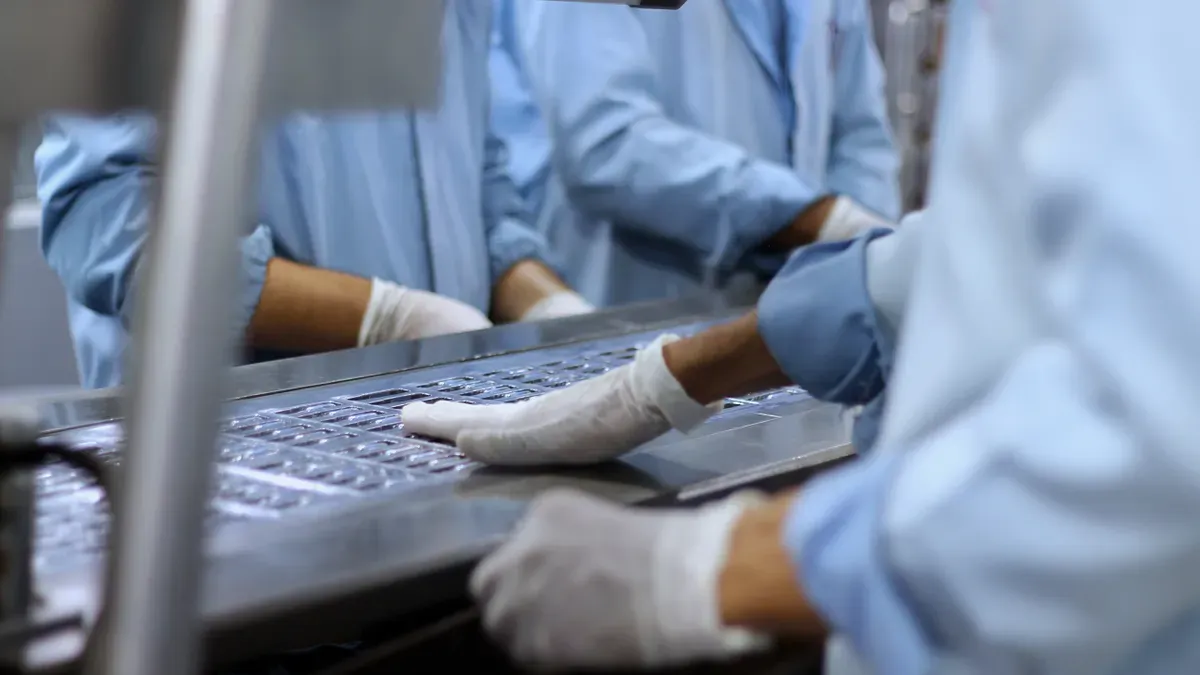
You cannot judge a precision turning factory just by looking at its website pictures. You need to check its certifications. These papers prove the factory follows strict rules. They show the factory cares about quality. They separate real pros from simple shops.
Start with ISO 9001. This standard is the basic level. It focuses on making quality the same every time and keeping customers happy. Many factories have this certification. It tells you the factory has basic systems set up. But for motor parts, you need something more.
IATF 16949 goes further. This certification is the top standard for car and motor parts. It builds on ISO 9001 but adds special needs for cars. The table below shows the main difference:
Standard | Focus Area |
|---|---|
ISO 9001 | Quality consistency & customer satisfaction |
IATF 16949 | Defect prevention, product safety & traceability |
The International Automotive Task Force made IATF 16949 to unify different certification systems around the world. Before this standard, suppliers needed many certificates for different car makers. Now one certificate works across the whole industry. This certification needs strong processes for customer satisfaction, thinking about risks, and always getting better. It focuses on stopping defects before they happen instead of finding them after. A single quality mistake can cause expensive recalls. IATF 16949 helps avoid that risk.
This certification also requires traceability. Every batch, step in the process, inspection record, and material certificate stays on file. You can follow any part back to its raw material. This traceability creates a system for continuous improvement. Factories study production data to find machining errors, tool wear patterns, and machine performance trends. They improve CNC tool paths and cutting speeds. They reduce waste. They make parts more precise.
Hehua Machinery Technology (Kunshan) Co., Ltd. holds IATF 16949 certification. The company also keeps ISO 9001 and EN 15085 certifications. These industry certifications show their promise to quality. Their certified quality systems make sure every order gives the same results.
Certifications alone do not guarantee quality. You must ask about inspection processes. You must ask about Statistical Process Control, or SPC. This method tracks production data right as it happens. It catches problems before they turn into defects.
Ask for a Cpk report from any factory you check. Cpk measures how well the process works. It tells you how often the factory hits your exact specs. The car industry sets clear limits:
Automotive OEM Cpk Requirement: Per IATF 16949 standards, automotive suppliers must achieve Cpk ≥ 1.33 for significant characteristics. This is the minimum threshold that applies to precision turned motor components classified as significant features.
For parts that affect safety, the requirement goes up. Electric vehicle motor housings usually need Cpk ≥ 1.67. Some factories get even higher numbers in production. Higher Cpk means fewer defects. The table below shows the link:
Cpk Value | Process Capability Classification | Approximate Defect Rate (ppm) |
|---|---|---|
< 1.0 | Not capable | > 2700 ppm |
= 1.0 | Barely capable | ~2700 ppm |
= 1.33 | Capable and reliable (industry threshold) | ~63 ppm |
> 1.67 | Very highly capable | < 0.57 ppm |
A Cpk of 1.33 gives only 63 bad parts per million. A Cpk above 1.67 drops bad parts below one per million. For high-volume motor production, this difference matters a lot. Lower rejection rates mean lower costs for you.
Ask the factory about their quality control steps. Ask how they use SPC data. Ask how they handle parts that don't meet specs. Hehua's policy is simple: if parts do not meet the specs, they remake them for free or give you a full refund. This policy shows they trust their processes.
Hehua runs a big facility with experienced engineers and skilled machinists. Their quality control steps include regular calibration of CNC equipment, checking the first part made, and inspecting parts during the process. They record every step. They give inspection reports with every shipment. This checking process gives you confidence before parts reach your assembly line.
When you check a precision turning factory in China, ask for their Cpk data. Ask for their SPC charts. Ask about their defect rates. A factory that shares this information openly shows real quality commitment. A factory that hesitates likely has something to hide. Your motor parts deserve better.
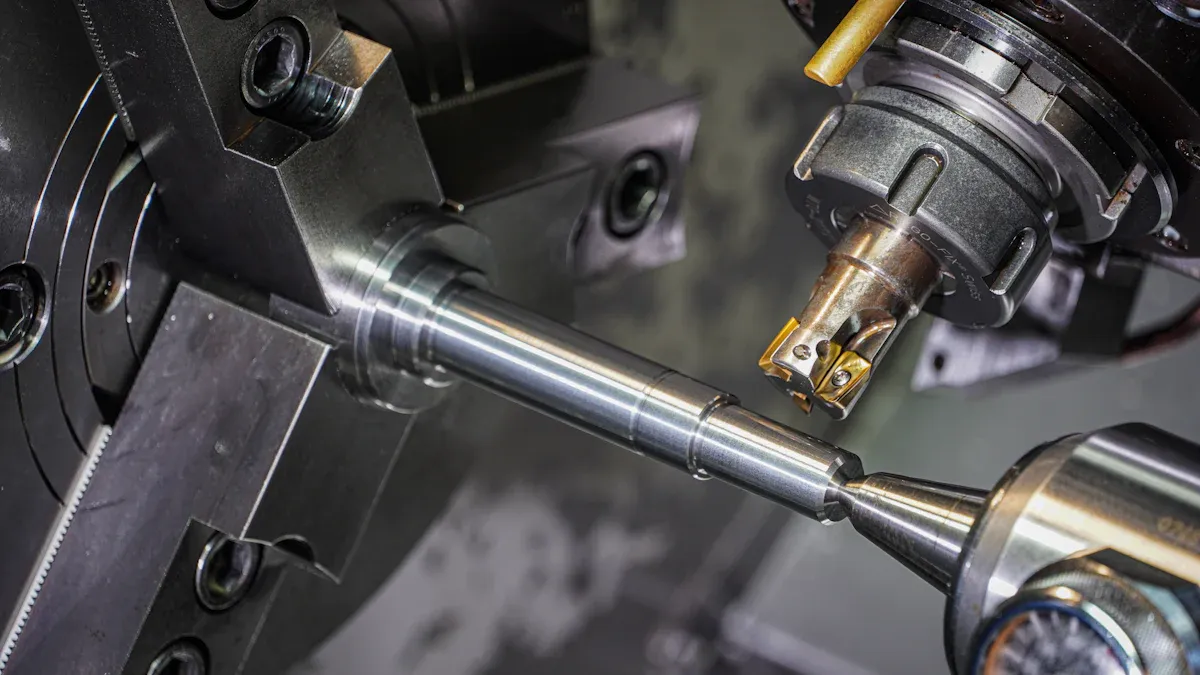
Precision turning parts need exact measurements. Motor housings and end covers require tolerances as tight as ±0.005mm. That measurement equals half the width of a human hair. You need a factory with machines that can hold these numbers consistently.
Ask about the machine tools first. Modern CNC lathes and machining centers provide the spindle stability and feed control needed for precise work. High-quality machines prevent chatter and ensure consistent tool paths. This stability directly impacts your part's surface finish. Better surface finishes reduce friction, improve sealing, and extend component life. For motor components, accurate housings ensure optimal rotor alignment. That alignment affects energy transfer and heat generation.
Hehua achieves standard tolerances of DIN-2768-1-f (fine) or ±0.01mm. For demanding applications, they reach high-precision tolerances of ±0.005mm depending on geometry and material. This tight tolerance control separates capable machining factories in china from average shops. You should request tolerance data before placing an order.
Your verification process should include asking for machine specifications. Ask about spindle runout, positioning accuracy, and repeatability. Ask how often they calibrate equipment. Ask how they handle thermal expansion during long production runs. These details reveal their true high-precision capabilities.
Material selection affects machinability, cost, and performance. A precision turning factory should work with aluminum, stainless steel, brass, copper, titanium, and engineering plastics. Hehua machines aluminum 6061 and 7075, stainless steel 303 and 304, plus PEEK, POM, and nylon. Each material behaves differently under cutting tools. Experience with your specific material reduces trial-and-error and speeds up production.
Surface finish options matter too. You can choose as-machined parts with deburring, sandblasting, anodizing, polishing, powder coating, or laser engraving. The right finish protects against corrosion and wear. It also improves the appearance of your final product. Ask the factory about their one-stop surface treatment services. This approach simplifies your supply chain.
Design for Manufacturing, or DFM, support separates good partners from order-takers. A factory that reviews your drawings and suggests improvements saves you money. For example, an automotive company redesigning a part with fewer components and standard materials saw cost savings up to 20% on production. This principle applies directly to complex motor parts.
DFM reduces costs by simplifying part count, using standard components, and eliminating unnecessary tolerances. These changes lower machining costs, reduce scrap, and speed up assembly.
Common design mistakes create hidden expenses:
Common Mistake | Direct Cost Impact |
|---|---|
Too many parts | Increased inventory, longer assembly time, higher error rate |
Too many custom components | Higher sourcing risk, extended lead times |
Tight tolerances everywhere | Higher machining cost, more rejected parts |
Poor assembly access | Slower production, more manual adjustment |
Wrong material choice | Waste, delays, performance issues |
A factory with strong DFM support catches these issues before production starts. They suggest standardizing parts and materials. They eliminate complex features that are difficult to produce. They focus on lean manufacturing principles to cut waste. This approach improves production efficiency and lowers your total cost.
Material traceability matters for regulated industries. Ask if the factory keeps certificates for every raw material batch. Ask if they track parts through each machining step. This traceability protects you during audits and recalls. Hehua maintains full documentation for every order. Their export experience to global markets demonstrates their commitment to compliance and quality. Choose a partner that offers this level of transparency for your precision components.
Communication problems can slow down your project more than any machine issue. Time zone gaps and language differences make working with overseas factories harder. They cause long back-and-forth talks. Some overseas makers use different words than you do. This leads to expensive mistakes.
Time zone gaps and language differences make manufacturing partnerships harder. They cause long back-and-forth talks. Some overseas makers may even use different words than you do, leading to costly mistakes. For example, we've learned that when we say "hard milling" to makers in China, they aren't always sure what we mean.
You can avoid these issues with the right partner. Look for machining factories in China that have English-speaking sales staff and engineers. Clear ways to talk, like email and video calls, keep everyone on the same page. Regular updates stop surprises. Giving very clear, detailed drawings and specs removes confusion before it starts.
English-speaking sales staff and engineers
Clear ways to talk, like email and video calls
Regular updates during the whole production process
Very clear, detailed drawings and specs
Hehua gives quick quotes within 6-12 hours after getting your 3D files (STEP/IGES) and 2D drawings (PDF). This speed shows their promise to smooth communication. Their export experience to global markets means they know what international buyers expect. You get answers fast, not after days of waiting.
Lead times affect your production planning. You need to know when parts arrive. Hehua offers 3-7 days for prototypes and 10-20 days for production. Faster services exist for urgent projects. These timelines give you steady scheduling.
Shipping from China to North America takes different times based on your method. Air freight moves fastest. Sea freight costs less but takes longer. The table below shows typical shipping times:
Shipping Method | Origin (China) | Destination (US) | Lead Time |
|---|---|---|---|
Air Freight (Direct) | Shanghai | Major US cities | 24-36 hours |
Air Freight (Indirect) | Shanghai | Major US cities | 3-5 days |
Sea Freight | Shanghai | West Coast ports | 15-20 days |
Sea Freight | Shenzhen | West Coast ports | 16-22 days |
Sea Freight | Guangzhou | West Coast ports | 15-21 days |
Sea Freight | Beijing (via Tianjin) | West Coast ports | 18-25 days |
Door-to-door sea freight usually takes 30-40 days. Standard air freight runs 8-10 days. Air express freight arrives in about 3 days. Your choice depends on your budget and how fast you need parts.
You should ask for pre-production samples for approval. Hehua sends photos, videos, or physical samples for checking before mass production. This step confirms the quality meets your needs. It stops costly mistakes. Your production runs better when you catch issues early. A reliable precision turning factory handles your inventory needs with steady delivery schedules. This reliability cuts your storage costs and keeps your assembly line moving.
The cheapest quote rarely saves you money. You must calculate the total cost of ownership. This figure includes unit price, tooling, shipping, and quality failures. A low unit price loses value when you pay for rework or scrap.
Scrap rate directly affects your true cost per acceptable part. Every scrapped unit represents raw material, machine time, and operator labor you paid for but cannot sell. These costs spread over fewer good units. The quality rate formula shows this clearly: (Total Production - Total Scrap) / Total Production × 100. Higher scrap means fewer acceptable parts from the same production run.
Scrap also drives indirect costs. You pay for overtime, rush orders, and administrative overhead for rework. Waste management adds more expense. In precision turning, even small scrap rates signal upstream issues like tool wear or material defects. Prevention becomes the only cost-effective strategy.
Hidden costs appear when you compare quotes. Vague descriptions using generic terms like "standard finishing" lead to unexpected charges. Omitted post-processing steps such as deburring or inspection surface later as extra fees. Unrealistic lead times at low prices indicate rushed work that compromises quality. Poor communication during quoting often signals collaboration difficulties later.
Hehua's cost efficiency comes from standardized production and export experience. Their certified quality management systems reduce scrap and rework. You get a precision manufacturing solution that delivers high-precision components without surprise fees. Their quality control measures catch problems before parts ship.
Your designs hold value. You must protect them when working with machining factories in china. A China-specific Non-Disclosure, Non-Use, and Non-Circumvention (NNN) agreement provides the strongest protection. This agreement must follow Chinese law, appear in legal Chinese, and designate a local specialized IP court for disputes. Include clear liquidated damages to avoid proving actual loss. The legal representative must sign with the official company chop for enforceability.
Register your trademarks and patents in China. The country uses a first-to-file system. Early registration prevents trademark squatting and secures your rights. Draft strong contracts that specify IP ownership, quality standards, production limits, and penalties for breaches.
Hehua's years of export experience demonstrate respect for client confidentiality. Their track record with global markets shows they understand international IP expectations. You build trust through verification. Request references, visit the facility, or start with a small trial order. This verification process confirms their commitment before you commit to large-scale production.
A reliable precision turning factory becomes a strategic partner. They offer OEM custom machining with full documentation. They provide material traceability for every batch. They maintain certifications that prove their systems work. Choose a partner with proven experience and transparent processes. Your precision components deserve this level of care.
Quality and certifications set the foundation for manufacturing success. Precision capabilities determine your part's performance. Communication and logistics keep your project on schedule. Cost analysis reveals the true value of a precision manufacturing solution.
The cheapest quote hides risks.
Create a detailed RFQ using the questions from this article. Send it to a shortlist of machining factories in china. Then plan a physical site visit or start with a small trial order. This verification confirms their real cnc precision and skills. Ask about their cnc quality control and their oem custom machining process. Look for a partner with proven experience in oem custom machining. Your reputation depends on their cnc quality, precision, and oem custom machining expertise. Always verify before you commit to large-scale production.
Ask for copies of their certificates and check the issuing body's database. IATF 16949 and ISO 9001 certificates have unique numbers you can verify online. You can also request audit reports. A verified manufacturer will share this documentation without hesitation.
Standard precision turning parts typically hold ±0.01mm. High-precision components can reach ±0.005mm depending on geometry and material. Ask the factory for their Cpk data to confirm they can maintain these tolerances consistently across production runs.
Air freight takes 3-10 days door-to-door. Sea freight takes 30-40 days. Your choice depends on budget and urgency. Ask your factory about their export experience. They should provide shipping options and track shipments until delivery.
Request SPC data, Cpk reports, and first-article inspection records. Ask about in-process checks and final inspection procedures. A factory with strong quality control measures will share this information openly. Their inspection reports should accompany every shipment.
Yes. Use a China-specific NNN agreement that follows Chinese law. Register your patents and trademarks in China early. A factory with export experience understands international IP expectations and will respect your confidentiality.


 AddressNo. 66 Xingpu Road, Lujia Town,Kunshan City, Factory Buildings 3 and 4
  en
en
 English
 繁体中文
繁体中文 Italian
 Spanish
 Japanese
 Portuguese
 Korean
 Russian
 French
 German
 Estonian
 Arabic
 Indonesian


 Message