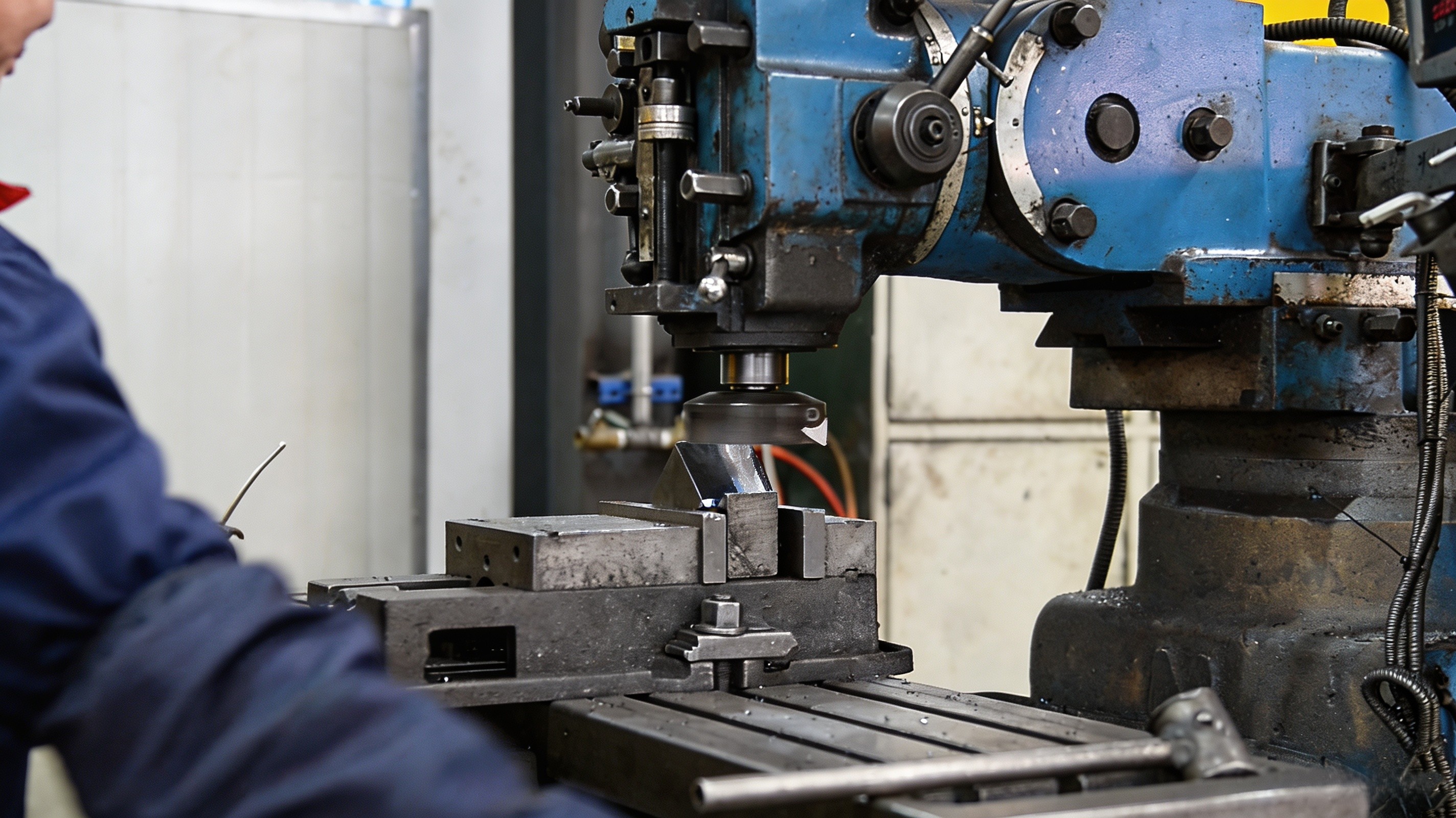
China has thousands of CNC suppliers. Their skill and reliability are very different. You cannot assume a supplier will deliver accurate parts on time just because their website looks nice. You must check them.
Trust is built on proof. Look at factory status, technical skill, quality systems, communication, IP protection, and clear pricing. Each one tells you something real about how a supplier works. Together, they separate a trusted Chinese CNC machining company from a risky bet.
This article gives you a practical checking framework. You can use it before you place any order. Follow the steps, gather the proof, and let the facts guide your decision.
Make sure the supplier is a real factory. Check the business license and ask for a video tour that is not scripted.
Check what the shop can do by asking for its machine list. Also test its engineering support by sending a sample drawing.
Check quality systems by asking for inspection reports and confirming that certifications are valid on official registries.
Use a mutual NDA to protect your intellectual property. Also control file sharing before you send drawings.
Set up payments around inspection steps, and begin with a small test order to try out the whole process.
Real factories and trading companies can both serve you well. A factory gives you direct control over machines, schedules, and process changes. A trading company often bundles several processes, handles logistics, and makes communication simpler across many vendors. The right choice depends on your part complexity, your order volume, and how much coordination you want to own. Neither model is better in every case.
Start with the business license. The registered scope must contain manufacturing verbs such as production or manufacturing, not only sales or trading terms. You can look up the Unified Social Credit Code on the GSXT registry in minutes. The official industry classification code under GB/T 4754 offers a second check. Codes starting with 13 through 43 mean manufacturing. Codes in the 51–52 range mean wholesale or retail trade.
Ask one written question about invoicing. A supplier that issues 13% VAT special invoices is a general taxpayer with real scale. A 3% small-scale invoice points to a smaller operation. This single answer filters many candidates fast.
Product range tells you a lot too. Factories specialize. Their catalogs run deep and narrow. Traders aggregate. Their catalogs run wide and shallow across unrelated categories. Stock factory photos are easy to expose with a reverse image search on Google Images or TinEye.
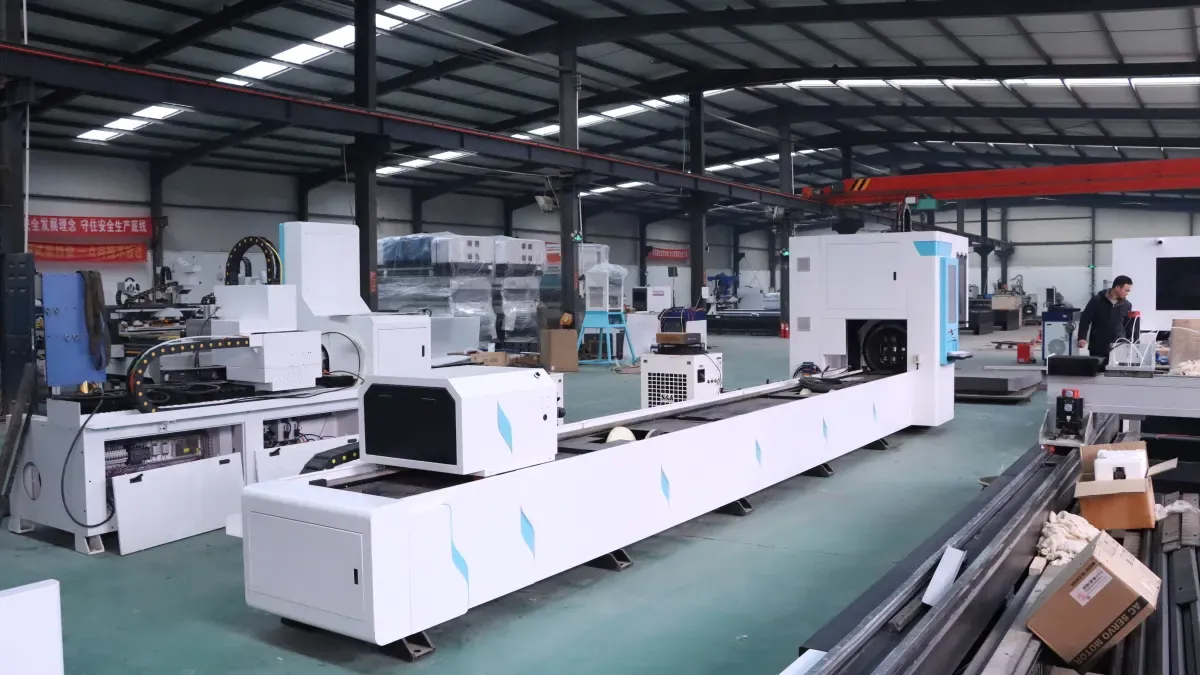
A live video walkthrough is the strongest single check. Request it on short notice and keep it unscripted. Ask to see the wall-mounted business license and confirm the name matches your invoice. Watch how workers behave and whether output matches the claimed scale. Some suppliers rent space for staged calls. Counter that by calling back unannounced and speaking directly to line workers.
The table below summarizes the main verification methods and how much weight each one carries.
Method | What it proves | Effort | Strength |
|---|---|---|---|
Business scope check | License covers manufacturing, not just sales | Low | High |
Industry code (GB/T 4754) | Official classification is manufacturing | Low | High |
VAT invoice type | General taxpayer status and real scale | Low | Very high |
Live video walkthrough | Physical site and staff are real | Medium-high | Very high |
GSXT annual report | Staff count and paid-in capital fit a factory | Low | High |
Regional strengths matter when you are sourcing CNC machining suppliers. China's industrial clusters differ by area. Match the supplier's region to your part type and volume. A cluster known for your process will usually offer deeper supplier capability and steadier quality than a distant generalist. This logic applies whether you shortlist china cnc machining suppliers or a single chinese cnc supplier. Every cnc machining supplier in china should pass these checks before you treat it as a trusted chinese cnc machining company. Run the same steps for cnc machining suppliers in china on every new RFQ, and the comparison stays fair.
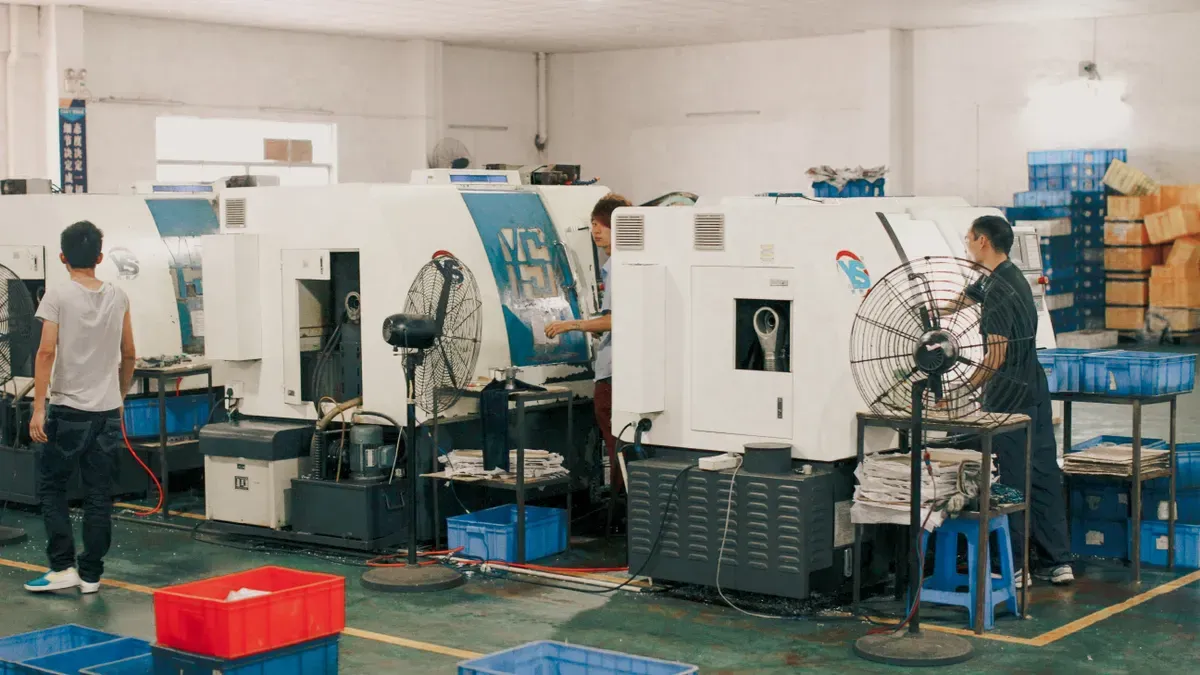
Ask for the machine list first. Check the number of axes, spindle speeds, and controller brands. A serious china cnc machining manufacturer will send this right away. Then ask which tolerances the shop holds in normal production, not in a lab demo. Confirm the claim with a sample part and a first-article report.
Material expertise matters just as much. Check whether the shop often cuts your alloy, and ask for past jobs in your industry. A supplier with deep experience in your sector will spot problems before they reach the spindle. Hehua Machinery Technology (Kunshan) Co., Ltd. shows the profile to look for: running since 2005, a plant of more than 17,800 square meters, over 160 employees, and yearly sales above 130 million RMB. The company holds ISO 9001, IATF 16949, and EN 15085 certifications and runs ERP-managed production from machining through export. That mix supports high-precision manufacturing at scale.
Strong engineering support sets a reliable cnc machining supplier in china apart from a order-taker. Send a drawing with a deliberate error or a hard-to-machine feature. Watch how fast the team returns design for manufacturability feedback. Good suppliers suggest tolerance relief, better datum choices, and cheaper stock sizes. They also review drawings before quoting, not after you pay.
Confirm prototype-to-production continuity. Ask whether the same engineers handle your sample and your production run. A trusted chinese cnc machining company keeps one team on your part from first cut to final shipment. Finally, test small-batch capability. Request a pilot run of a few pieces and judge supplier capability on delivery, documentation, and consistency. Precision machining quality shows up in the pilot, long before volume begins.
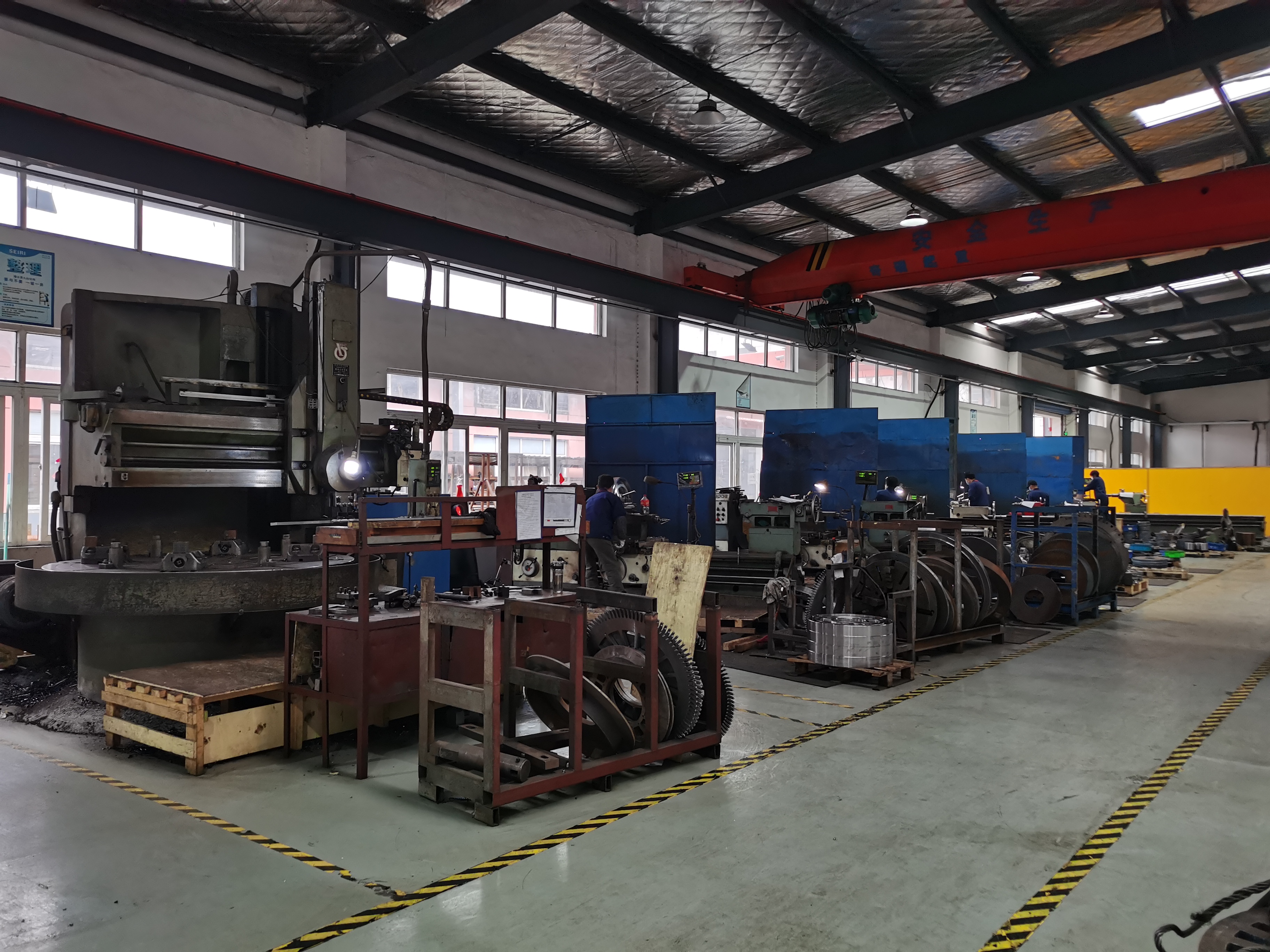
Ask how the shop checks parts at every step. A reliable cnc machining supplier in china inspects incoming material, measures key dimensions during the run, and checks every finished lot. Ask for the equipment list for your critical features. Look for micrometers, pin and thread gauges, surface roughness testers, and a CMM. Then ask how the shop calibrates those tools. A good answer names the calibration lab, the interval, and the traceability chain.
Documentation should be settled at the quote stage. Adding records to a batch that is already machined is costly and sometimes impossible. Ask for a certificate of conformance, a CMM inspection report, and the mill certificate for your material lot on every order. For higher-risk work, request a first article inspection to AS9102 or a PPAP submission. You can also set a sampling method under ISO 2859-1 for production lots.
Do not take a logo as proof. Ask for the actual certificate and check the number, expiry date, and scope. A certificate may cover sheet-metal fabrication but leave your machined part outside its scope. Check the number on the issuing body's public registry, and confirm the body holds IAF accreditation through the CNAS registry. ISO 9001 runs on a three-year cycle with surveillance audits, so ask for the latest closure report.
A certificate older than three years without re-certification is invalid, and a refusal to share audit results is a warning sign.
Traceability separates strong quality control from wishful thinking. Pick one finished part and follow its lot number back to the mill certificate. A working system does this in minutes. This discipline supports high-precision manufacturing and protects cnc part quality across repeat orders. It also gives you a clear basis to compare any cnc machining supplier in china on evidence rather than claims.
The RFQ stage shows you how a supplier will act after you pay. Send a full package: a 2d engineering drawing, tolerances, material, finish, and quantity. Then time the reply. A clear answer on a standard prototype part often comes in one to two business days. Multiple production parts usually take two to four business days, because engineering and sourcing must review them. Treat a vague or slow first reply as a preview of the whole relationship.
Read the technical content, not just the speed. A strong cnc machining supplier in china asks specific questions about datums, thread callouts, and surface finish. Weak replies restate your drawing and add nothing. Judge English proficiency by clarity, not accent. Written English that states limits plainly beats polished prose that hides uncertainty.
A standard component with complete engineering files may be quoted within one to three business days. Complex assemblies, unusual materials, secondary processes, or detailed DFM reviews may require additional time.
Sign a mutual NDA before you share drawings. Make the definition broad enough to cover CAD files, process data, material specs, inspection records, and development discussions. Push for a term of five to ten years or perpetual for core trade secrets, not the usual two to three. Add a jurisdiction clause you can actually enforce and set liquidated damages you can recover without proving loss.
Control the files themselves. Send encrypted or view-only formats, add invisible watermarks, and share only what the job needs. Split sensitive work across two vendors so neither sees the full design. Register key designs with CNIPA before any public disclosure. A good china cnc machining supplier will accept these terms without argument, and that willingness is itself a quality signal.
A fair quote starts with a complete package. Send a 2d engineering drawing with clear tolerances, the material grade, the surface finish, and the quantity for each line. Add any secondary operations and your target delivery window. A full cnc machining rfq lets every supplier price the same scope, so you compare like with like.
Read the quotation line by line. Check the material cost, machining time, setup charge, finishing, inspection, and packaging. Flag any line marked "miscellaneous" or "TBD" and ask for a breakdown. Treat a quote far below the market as a question, not a bargain. It often hides thinner material, skipped inspection, or a scope you did not request. Ask a shortlisted cnc machining supplier in china to explain the gap before you compare totals.
Tie every payment to a real event, not a calendar date. The table below shows the triggers that protect you.
Payment Stage | Recommended Trigger | Weak Trigger to Avoid |
|---|---|---|
Deposit | Materials and line time secured | "To get started" |
Mid-payment | Approved first article | Calendar days |
Balance | Passed inspection report | "Goods are packed" |
A common split in China is 30% deposit and 70% balance. For higher-value or custom orders, a three-stage split such as 30-40-30 works well. The middle 40% should follow an approved first article or a printed-packaging check, never a date. Release the balance only against a passing pre-shipment inspection report. This structure keeps quality visible at each stage and gives you leverage if a batch drifts.
You have collected documents and read quotes. Now you need proof that the supplier does what it promised. A clear supplier evaluation process turns scattered checks into a clear decision. Work through the steps below in order, and write down what you find at each one.
Run your search and vetting process in a fixed order. First, check documents: business license scope, certification numbers on the issuing body's registry, and the machine list. Second, book a live video walkthrough or an on-site audit. Walk the floor, watch a part run, and confirm the machines match the list. Third, ask for client references in your industry and call two of them. Ask about on-time delivery and how the supplier handled a quality problem. Fourth, order sample parts and inspect them against your drawing.
Trade associations add a useful layer. Check verified supplier lists from CCPIT and your local chamber of commerce. These lists confirm a company exists and trades legally, though they do not replace your own audit.
Sample parts reveal more than any brochure. Measure critical features, compare the first-article report to your drawing, and note surface finish and burr control. A supplier that passes all four steps earns a place on your shortlist of reliable cnc machining suppliers.
A pilot order limits your risk while testing the full chain. Structure it around a small batch of your real part, not a simplified demo. Define acceptance criteria in writing before you pay: dimensions, finish, documentation, and packaging. Set the payment stages from the previous section against inspection milestones.
Judge the pilot on four results. Did the parts meet every tolerance? Did the documentation arrive complete and on time? Did communication stay clear during the run? Did the delivery date hold? Strong answers on all four justify scaling up. Weak answers on any one call for a conversation before you commit to volume.
This approach supports reliable cnc sourcing and long-term production consistency. A cnc machining supplier in china that passes a pilot gives you evidence, not promises. Repeat the same pilot structure with every new reliable cnc machining supplier in china you add, and your quality control stays consistent across the supply base. Buyers who vet cnc machining suppliers in china this way build a shortlist of reliable cnc machining manufacturers they can trust for repeat work. Treat each pilot as a test of the supplier evaluation process itself, and refine your checklist after every run.
A weak quote often shows itself before you even read the price. Look for these patterns in the reply itself.
Red Flag | What It Signals |
|---|---|
Quote far below material cost realities | Misread specs or missing requirements, not real efficiency |
Vague lead time with no queue-depth reference | No real production commitment; ask for actual shop load |
No DFM feedback on a complex part | The supplier has not engaged with your drawing |
Certification documents needing repeated follow-ups | Possibly an inactive quality system |
Inspection reports with only pass/fail marks | You cannot confirm tolerance compliance or track drift |
A quote that comes back instantly with no questions is a reason to be suspicious. So is a supplier who refuses to give you a sample first article inspection. A real chinese cnc supplier asks about datums, fits, and threads before setting a price. A price far below other quotes is another warning sign, not a good deal. A low unit price often hides scrap, rework, delays, and engineering fixes, so think about the total cost of ownership instead.
Some answers end the conversation. A refusal of a live video walkthrough is the biggest red flag of all, because a real factory with nothing to hide will say yes to the request. The same goes for a supplier who will not name specific equipment makes and models. Vague terms like "CNC machining centers" suggest the supplier does not own the machines.
Payment requests to a personal account by wire transfer are a hard stop. Money should always go to a company account that matches the company name on the invoice. Treat a broker posing as a factory as a serious concern too, since it adds markup and weakens technical communication.
Keep each decision based on evidence. Write down what you asked, what you received, and what was missing. A pause for one missing document is reasonable. A pattern of evasions is your signal to move on. If you want an independent check, a third-party auditor such as SGS can inspect the floor for you.
You now have a verification framework you can use again for every new supplier. Turn it into a supplier evaluation checklist: factory status, machine capability, quality records, communication, IP terms, and payment triggers. Run the same steps each time, and your comparisons stay fair.
Trust comes from evidence you gather before and during a pilot order, not from promises. A trusted chinese cnc machining company earns that label through documents, sample parts, and consistent results.
Start small. Write down each step, keep the inspection reports, and scale orders only after reliable cnc machining suppliers prove repeatable quality across batches.
Look up the business license scope on the GSXT registry. Check that the industry code under GB/T 4754 starts with 13 through 43. Then ask for a live video walkthrough you did not plan in advance. Ask to see the license on the wall and the machines running. A real factory will say yes right away.
Most shops will quote a small pilot batch of your actual part, not a simplified demo. Ask them directly what minimum they accept for your process and material. If they refuse to run any pilot, treat that as a warning sign. Set acceptance criteria in writing before you pay.
A complete RFQ on a standard prototype part often comes back in one to two business days. Multiple production parts usually take two to four. For production, ask for the lead time along with the current shop load, not a generic number.
Tie each payment to an inspection event. A 30% deposit and 70% balance is common. For custom or higher-value work, a 30-40-30 split works well. Release the middle stage only after you approve the first article. Never pay a personal account.
Write down the failure against your written acceptance criteria. Send the measurement data to the supplier. Ask for a root-cause response and a corrective action plan. One fixed issue is normal. A repeated pattern, or a refusal to share inspection records, is your signal to walk away.
A supplier who will not release a first article inspection report has not earned a production order, no matter the price.
For an independent floor check, a third-party auditor such as SGS can verify equipment and quality records for you. Cross-check that the company exists through CCPIT member lists. Confirm certification scope on the issuing body's registry before you commit.

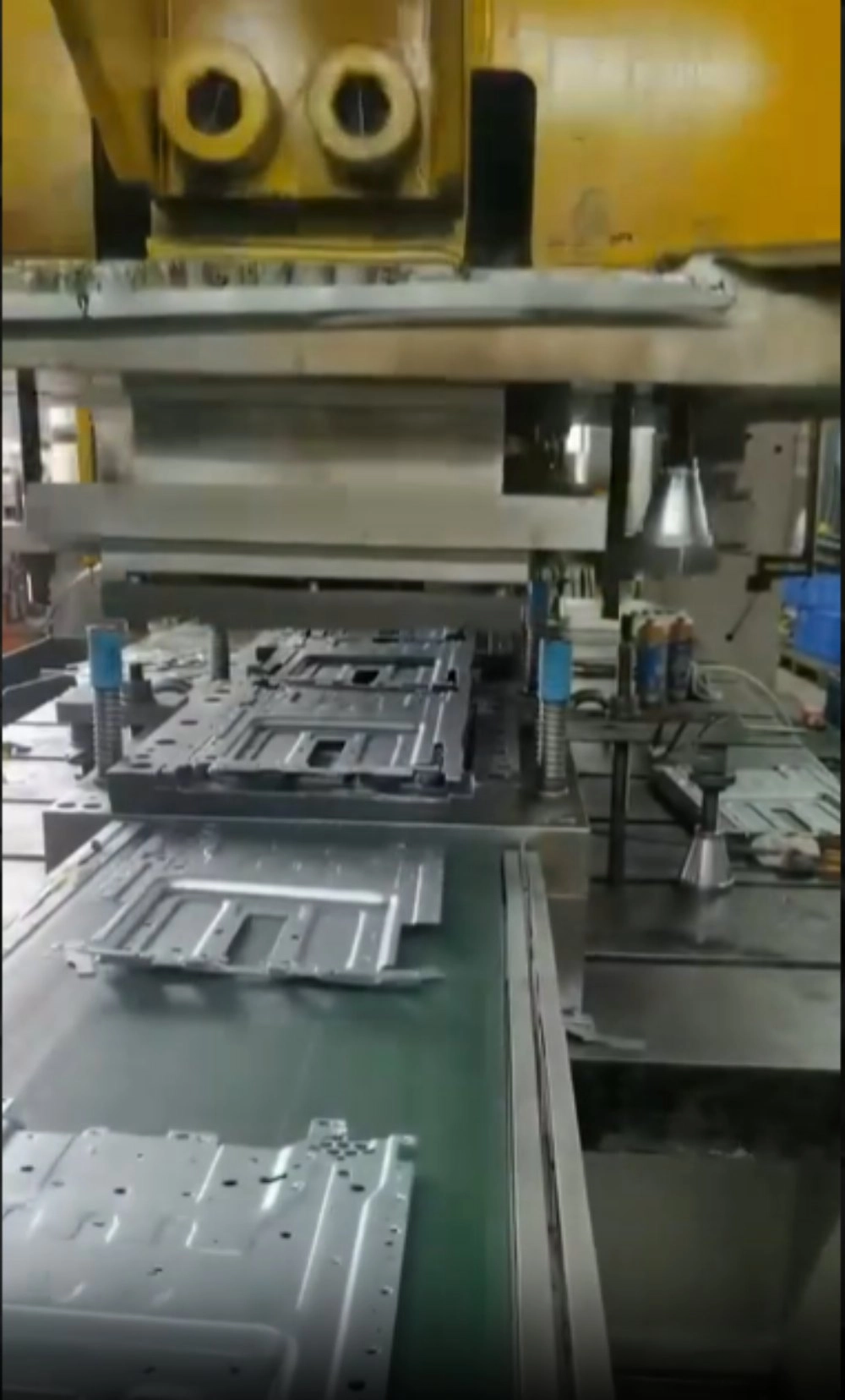

 AddressNo. 66 Xingpu Road, Lujia Town,Kunshan City, Factory Buildings 3 and 4
 en
 English
 繁体中文
 Italian
 Spanish
 Japanese
 Portuguese
 Korean
 Russian
 French
 German
 Estonian
 Arabic
 Indonesian


 Message