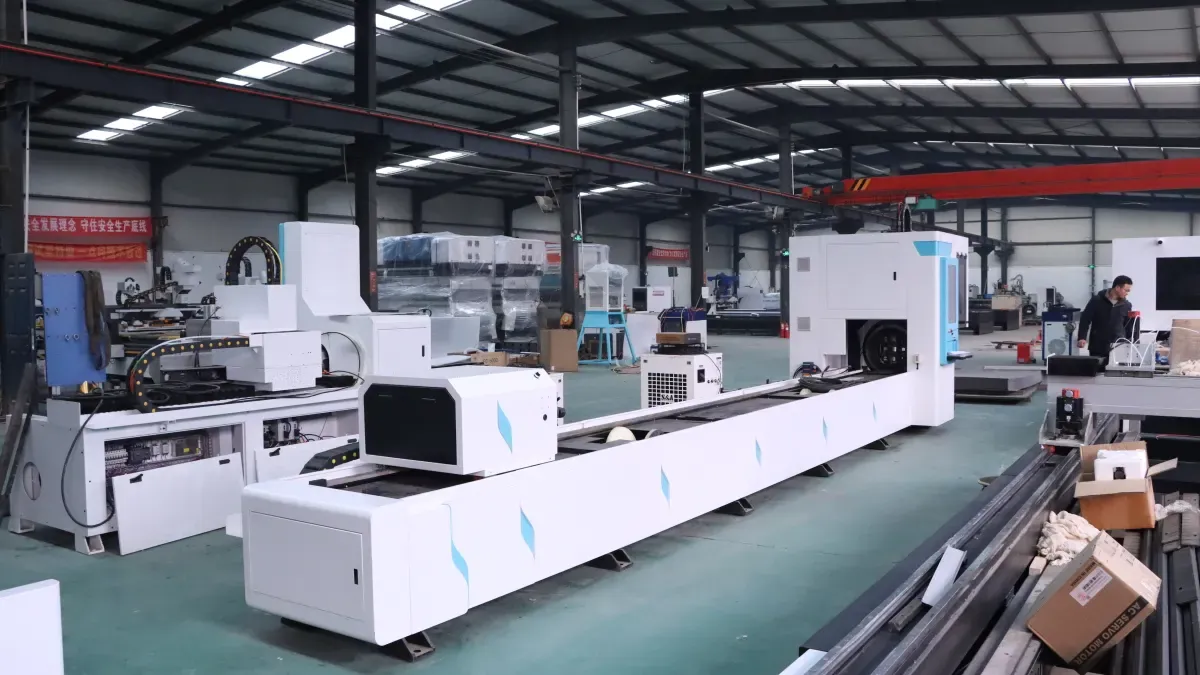
Are you searching for a CNC machining factory that can produce complex round and flat parts? A single source for turning and milling services reduces lead times, simplifies shipping, and ensures consistent quality. You avoid dealing with multiple suppliers and potential miscommunications. Chinese factories offer low costs combined with modern technology. Hehua Machinery Technology (Kunshan) Co., Ltd. provides precise milling services and CNC turning capabilities. This CNC machining partner meets quality standards with ISO 9001 and IATF16949 certifications. Their milling work achieves high precision. They offer rapid prototyping in 3-7 days and can produce large volumes per month. Their full-process production maintains consistent quality. You can trust their machining skills for prototypes and large-volume orders. This approach helps you obtain high quality and save money.
Chinese CNC factories charge 30-50% less than Western suppliers.
Check for ISO 9001 and IATF 16949 certifications to make sure the quality is good.
Use DFM feedback to cut machining time and costs.
Quality checks, such as CMM inspection, make sure parts are accurate.
Pick a factory with rapid prototyping and high monthly capacity.
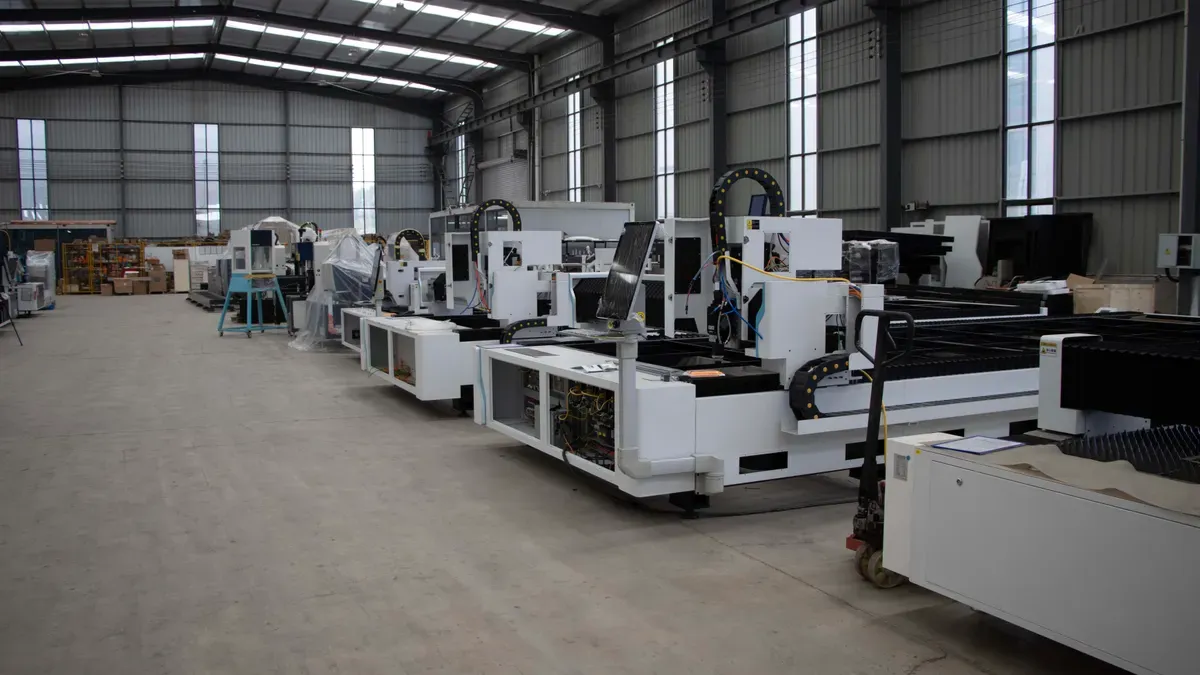
You can save a lot of money by outsourcing CNC machining to China. A CNC machining factory in China offers 30–50% lower costs compared to Western suppliers. The total cost per unit can be 55% lower. For example, a part that costs $41.20 in the US might cost $18.50 in China.
Scaling production further reduces costs. The following table shows the average unit price reductions at different volume tiers:
Cost Reduction Metric | Value |
|---|---|
Average unit price reduction at Tier 2 volume | 37.4% |
Average unit price reduction at Tier 3 volume | 53.8% |
Typical cost saving vs. Western quotes | 42% |
Best-case scenario saving | 83% |

Labor costs also favor China. The hourly rate for machining in China ranges from $25 to $65. In comparison, Germany charges $80 to $130 per hour. This difference allows you to invest more in prototyping and design iterations.
By outsourcing CNC machining to China, you access these cost advantages for your manufacturing needs.
Chinese factories invest in modern equipment. You find machines from top brands like DMG MORI and Haas. These machines handle complex geometries with tight tolerances. Hehua, for example, operates multiple machining centers in a large facility. They have extensive experience. Their capabilities include 5-axis milling and turn-mill composite centers. They achieve tight tolerances and smooth surface finishes. Their capabilities cover complex geometries.
Certifications ensure standards. Leading factories hold ISO 9001:2015 for quality management and IATF 16949 for automotive production. The table below shows common certifications:
Certification | Relevance & Prevalence in Chinese CNC Factories |
|---|---|
ISO 9001:2015 | Foundational quality management standard; nearly all serious export-facing factories maintain it. |
ISO 14001:2015 | Environmental management; increasingly required by Western OEMs. |
IATF 16949 | Essential for automotive suppliers; focuses on defect prevention. |
AS9100 | Targets aerospace components; buyers should insist on this for aerospace parts. |
ISO 13485 | Common among medical device manufacturers. |
These certifications ensure quality. This CNC machining factory also provides English-speaking engineering support. They offer free DFM services to optimize your design for manufacturing.
A reliable CNC machining company provides rapid prototyping in 3-7 days. Their manufacturing capacity is high. Their CNC machining services cover a wide range of materials and geometries.
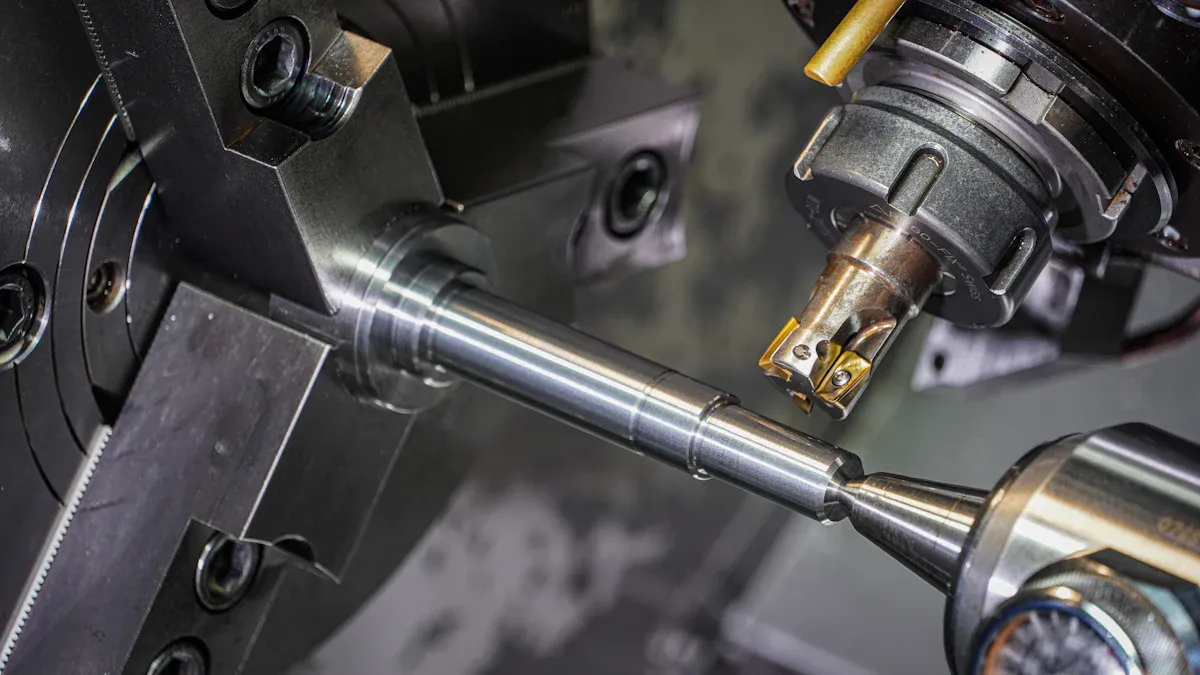
Chinese factories offer many CNC machining services in one place. You can get turning, milling, grinding, drilling, boring, and planing. Many shops also provide EDM, wire cutting, and multi-axis machining from 3-axis to 5-axis. This range means you can finish whole projects without using many suppliers. Hehua, for example, combines these skills with turn-mill composite centers. You get complex parts done in one setup, which cuts errors and speeds up delivery.
Precision CNC turning makes round parts with great accuracy. A lathe spins the workpiece while a cutting tool shapes it. This method works well for shafts, bushings, and threaded parts. Chinese factories using precision CNC lathes or Swiss-type machines can hit tolerances of ±0.005 mm or tighter on suitable features. The exact tolerance depends on part size, shape, and material, so check each dimension against your engineering drawing.
Material choice matters a lot for turning success. Common options include stainless steel, aluminum, brass, copper, titanium, and specialty alloys like Inconel 625. Engineering plastics such as POM, PEEK, and nylon also machine well. Hehua processes stainless steel, aluminum, brass, copper, titanium, and engineering plastics with equal skill. You can pick the material to match your part's strength, weight, and corrosion needs.
Precision CNC milling creates flat, curved, and prismatic shapes. A rotating cutter removes material from a fixed workpiece. This method suits brackets, housings, and complex enclosures. You can get tight tolerances and smooth finishes with the right machine setup. Hehua's milling work achieves tight tolerances and smooth surface finishes.
Surface finish changes with each milling stage. The table below shows typical values:
Milling Stage | Surface Roughness (µm) |
|---|---|
Rough Milling | 5 – 20 |
Semi-finishing Milling | 2.5 – 10 |
Fine Milling | 0.63 – 5 |
Fine milling gives the smoothest surfaces for functional or cosmetic parts. You can ask for specific finishes based on your design needs.
Modern milling centers offer advanced features. Five-axis machines handle complex multi-face work and detailed hole systems. Turn-mill composite centers combine both processes in one operation. This setup removes outsourcing delays and ensures steady quality. Hehua's machining centers support rapid prototyping and mass production. You get custom machined parts with full traceability and CMM inspection reports. These precision machining services help you move from prototype to production smoothly.
Finding the right factory takes more than just comparing prices. You need a partner who can deliver steady quality, talk clearly, and hit your deadlines. This section shows you how to check out possible suppliers before you make a deal.
Certifications show that a factory follows known rules. They prove the company has written processes and regular checks. The table below shows the main certifications you should look for:
Certification | Scope | Key Requirement |
|---|---|---|
ISO 9001 | General quality management system | Annual third-party audit, documented processes |
IATF 16949 | Automotive quality management | PPAP, APQP, SPC, MSA; builds on ISO 9001 |
AS9100 | Aerospace and defense quality management | Cpk ≥1.33 process stability, PPAP, annual surveillance audits |
ISO 13485 | Medical device quality management | Full design and process traceability, risk management |
ISO 9001 is the starting point for any serious machining partner. This certification makes sure every step is repeatable and the same each time. It cuts down on mistakes and makes sure each part meets the specs. For tolerances measured in microns, this consistency matters a lot. The standard also asks for full paperwork, so you can track every part through the whole production process.
IATF 16949 is a must for automotive parts. This certification builds on ISO 9001 and adds tools to stop defects. It needs PPAP paperwork and statistical process control. A factory with this certification shows they can handle high-volume production with steady precision.
You should also check the factory's quality control tools. Ask for their equipment list and look for two parts: Production Machines and QC Machines. Look for a coordinate measuring machine (CMM) in the QC list. If a factory says they hit tight tolerances but have no CMM, you cannot trust those claims. Advanced CMM checks verify complex shapes and key tolerances with clear measurement records.
Ask for paperwork before shipping. A good partner gives you material certificates, inspection reports, FAI reports, certificates of conformance, calibration records, and process documents. Hehua Machinery Technology (Kunshan) Co., Ltd. holds ISO 9001 and IATF 16949 certifications. Their extensive experience and large facility show they care about quality for the long run.
Clear talk stops costly errors. You need a partner who speaks your language and reads your drawings. English-speaking engineering help makes a big difference. A good factory offers design for manufacturability (DFM) feedback before production starts.
DFM feedback makes your part design better. The factory looks at your drawings and suggests changes. For example, making inside corner radii bigger and pocket depth smaller can cut machining time a lot. These small tweaks improve tool life, production stability, and yield. A factory that gives free DFM analysis shows they really care about your project's success.
Lead times matter too. Typical China CNC lead time is 3–7 business days for prototypes, and gets longer when tolerances tighten or finishing is added. Simple prototype parts may fit a 3–7 business day machining window after DFM review. Hehua provides rapid prototyping and high production capacity. Their excellent on-time delivery record gives you trust in their schedule.
Ask about their engineering support setup. Do they give you a dedicated project manager? Can you reach them during your work hours? A factory that answers questions fast lowers your risk. You want a partner who spots problems before they grow, not after.
Finally, think about their full abilities. A factory with turn-mill composite centers and 5-axis machines handles complex parts in one setup. This way cuts out outsourcing delays and keeps quality steady. Hehua runs multiple machining centers and offers one-stop surface treatments. Their custom prototyping services help you test designs before mass production. When you find a partner with strong certifications, clear talk, and proven skills, you set your project up for success.
Keeping quality high at every step makes sure your parts meet the specs. A good CNC machining factory follows a clear plan to find issues early. The normal quality control steps in a Chinese factory with ISO 9001 approval include:
Incoming material checks confirm the raw material matches your needs.
First Article Inspection (FAI) verifies the first part matches your drawing.
In-process measurement checks sizes while parts are being made.
Final dimensional inspection checks every important feature.
Surface inspection confirms the finish meets your requirements.
Packaging checks make sure parts arrive without damage.
Shipment approval lets the batch go out for delivery.
Checking parts during production helps cut down on defects. It spots small changes early so workers can fix the process before making a whole batch of bad parts. This stops defects instead of finding them later. In-cycle probing and on-machine checks catch errors before the part leaves the machine. This lowers waste. Final inspection finds problems too late and only sorts out bad parts. Checking during production stops problems before they start. These quality steps make sure every part meets your specs.
The right tools matter for precision parts. Micrometers, height gauges, thread gauges, pin gauges, optical measurement systems, surface roughness testers, and coordinate measuring machines (CMM) all help. Hehua uses CMM checks and gives full tracking for every part. Their ISO 9001 and IATF 16949 approvals promise steady quality on all jobs. Their precision skills keep tight tolerances on every part. Quality paperwork is key for tracking. Hehua gives material certificates, inspection reports, and full tracking for every order.
Industry data shows that top Chinese CNC machining companies achieve excellent on-time delivery rates for fast-turnaround prototyping and production work.
You can lower project costs without losing quality. Good quality control cuts scrap and rework costs. The best methods focus on design choices, material picks, and order size.
Design for manufacturing (DFM) saves the most money. Simple shape changes cut CNC machining time. Round inside corners instead of sharp 90-degree corners avoids machine stops and lowers cost. Keeping pocket depth at four times the tool length reduces material removal. Using walls thicker than 0.8mm for metal prevents breakage and speeds up work. Using tight tolerances only on key sizes cuts manual checks and machining time. In one medical device job, adding an R0.50 corner radius and 3.50mm of clearance made the machining plan simpler and improved process stability.
Material choice directly changes total cost. Standard plastics are the most economical, while advanced exotic metals are the most expensive.
Order size also changes the price per part. Average price drops reach 37.4% at the second tier and 53.8% at the third tier. Bigger orders spread setup, programming, and inspection costs across more parts.
Hehua offers full CNC machining services that cover everything from prototyping to mass production. Their facility combines milling, turning, and drilling in one setup. This removes outsourcing delays and lowers total cost. Their rapid prototyping is fast, and their monthly capacity is high. You get custom machined parts with good prices and reliable on-time delivery.
A china cnc machining factory with turning and milling capabilities delivers cost savings, advanced technology, and streamlined production. Outsourcing cnc machining to China gives you access to modern equipment like DMG MORI machines. You must vet suppliers by checking certifications such as ISO 9001 and IATF 16949. Strong communication and quality processes like CMM inspection ensure success. China cnc machining partners like Hehua provide prototyping and manufacturing services. They handle complex multi-face work and offer one-stop surface treatments. Their DFM feedback optimizes your design. Their technical expertise guarantees on-time delivery.
Ready to start your project? Contact us for a free quote and DFM analysis. Our factory handles prototypes to high-volume production with competitive pricing and on-time delivery.
A CNC machining factory in China works with stainless steel, aluminum, brass, copper, steel, titanium, and engineering plastics. Hehua uses precision CNC equipment for all these materials. Your choice of material depends on strength, weight, and corrosion needs.
Quality checks begin with incoming material inspection. You receive first article inspection, in-process measurement, and final CMM inspection. Every part gets full traceability documentation. Our CNC machining processes follow strict tolerances to meet your specifications.
Rapid prototyping takes 3-7 days after DFM review. Production runs scale to high volumes. You receive excellent on-time delivery from a China CNC machining partner. This speed helps you test designs before mass production.
Yes. Turn-mill composite centers and 5-axis CNC machines handle multi-face work, intricate hole systems, and special-shaped contours in one setup. This eliminates outsourcing delays in machining. You get consistent quality across every part.
ISO 9001:2015 covers general quality management. IATF 16949 serves automotive production. AS9100 fits aerospace parts. Always verify the factory holds current certifications for CNC machining services. These standards prove consistent processes.


 AddressNo. 66 Xingpu Road, Lujia Town,Kunshan City, Factory Buildings 3 and 4
  en
en
 English
 繁体中文
繁体中文 Italian
 Spanish
 Japanese
 Portuguese
 Korean
 Russian
 French
 German
 Estonian
 Arabic
 Indonesian


 Message