You can find a reliable China welding factory by looking for four signs. Check for real certifications, strong welding skills, clear communication, and written quality control. These signs tell you more than any sales talk ever could.
This guide goes through each check step by step. You begin with certifications and finish with warning signs. Each stage builds on the one before it, so you can review suppliers with confidence.
Price by itself never shows if a factory is reliable. A low quote often hides poor quality, little paperwork, or slow delivery. Trust comes from systems you can check, not numbers on a spreadsheet.
Look up all factory certifications in public records to make sure they are real and current.
Always ask for a sample weld to check real welding skill and part quality.
Choose a factory that has English-speaking workers for clear talking and one main person to contact.
Check that a factory owns its machines. This helps you avoid resellers who raise costs and cut your control.
Look out for warning signs, like unclear answers or pressure to skip samples before you order.
Certifications are your first step to check when picking a supplier. They show that a factory meets known standards. Without them, you can't trust what the factory says about its skills or tools. Start by asking for written proof.
Begin with ISO 9001. This standard covers management systems that help things stay the same each time. It means the factory uses written steps for every part of making a product. Many buyers see ISO 9001 as the basic must-have. A factory without it usually does not have set processes.
For car parts, ask for IATF 16949. This certification adds more rules on top of ISO 9001 for the car industry. Train parts need EN 15085. Tanks and boilers need ASME. Each standard deals with risks that are special to that field.
Don't trust just a scanned copy of a certificate. Factories can change PDFs with ease. Call the group that gave the certificate to check if it's real. Most groups have online databases. Type in the certificate number to see if it's still good. Look up the factory name and what it covers. This takes about ten minutes but saves you from big problems. A factory saying it has active ISO 9001 should appear in the registry. If the database says it is expired or suspended, go find a different supplier.
General certifications show a factory can do basic work. Standards for a specific industry show true skill. A good China welding factory has certificates that fit exactly what you need for your product.
Buyers look for both experience and certificates when they check a partner. Find welding certificates that match your industry. AWS D1.1 is for structural work. ISO 3834 is for fusion quality. These standards test real weld quality in certain settings. They need written steps for each process.
Think about what you are making. New energy car parts need IATF 16949. High voltage motor parts need UL or CE marks. Train parts need EN 15085. Each certificate shows the factory knows what your industry needs.
Good factories share their certificate details openly. They give the certificate number and how to reach the group that gave it. They know that checking the certificate helps both sides. Being open like this shows they are reliable.
A factory with the right certificates shows it cares about quality control. You gain confidence that the finished parts meet global quality rules. Without written ISO, CE, or ASTM certificates, you risk getting parts that fail inspection. Each certificate stands for a system that produces high quality results every time.
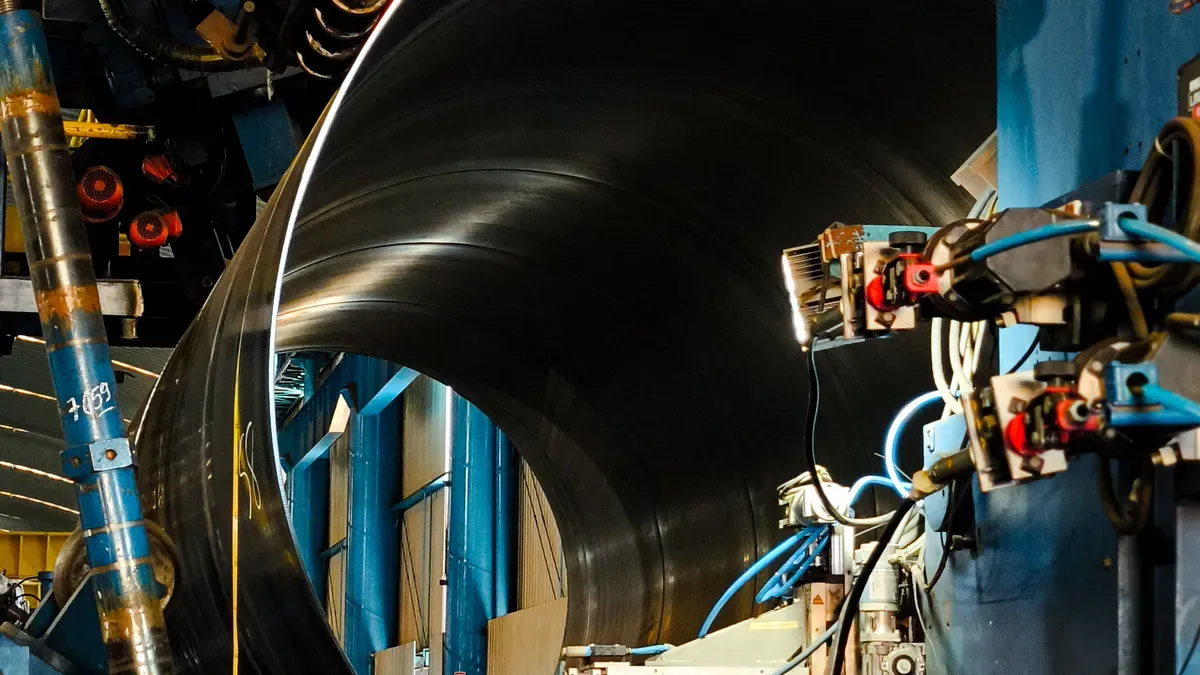
A good China welding factory shows its skills with real machines and proven methods. Check what a supplier can really build before you trust them with your order. This part explains how to look at equipment, match processes to materials, and tell a true maker from a seller.
Four main processes cover most industrial welding needs. Each one solves a different problem. A skilled supplier offers all four under one roof as part of their welding services.
Laser welding handles very precise jobs. It makes clean welds with little heat damage. That matters for thin sheets and fine details. MIG welding, also called gas shielded welding, works well for thick materials and big production runs. It balances speed with weld quality on larger parts. TIG welding, or argon arc welding, gives you great control on thin materials. It creates strong, clean joints that look nice. Robot welding brings automation to the work. A welding robot gives consistent quality, higher output, and lower labor costs on repeat tasks and complex shapes.
Process | Best For | Key Benefit |
|---|---|---|
Laser Welding | High-precision, thin materials | Minimal heat distortion |
MIG Welding | Thick materials, high volume | Speed and versatility |
TIG Welding | Thin materials, visible joints | Control and appearance |
Robot Welding | Repetitive tasks, complex shapes | Consistency and output |
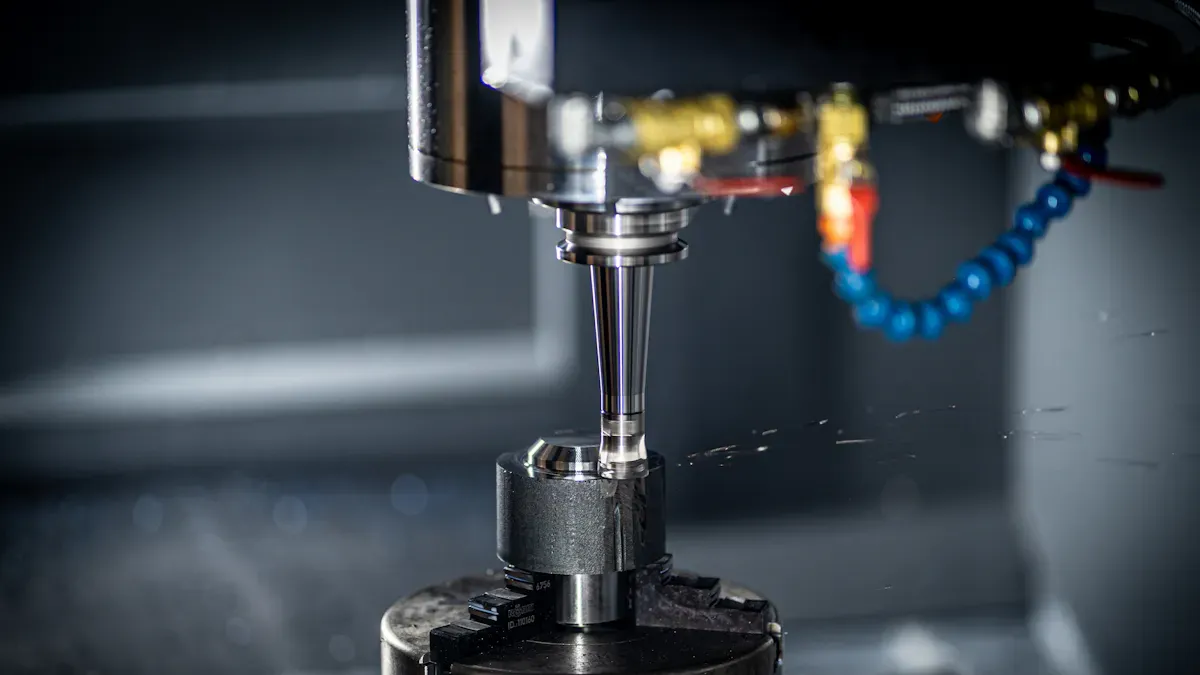
Modern Chinese factories invest in CNC machining centers, laser cutting machines, and robotic welding systems. These tools let them handle complex industrial parts with tight limits. When you check a supplier, ask which machines they use and how they care for them. A factory with old equipment finds it hard to hold precision metal parts to spec.
The rise of Chinese welding robots has changed metal parts making in China. Factories now place welding robots in China across many production lines. A China welding robot can run all night without breaks. This shift gives buyers access to high-quality metal parts at good prices. Many robot welding makers in China now compete on technology, not just price.
You need to know if your supplier builds parts or just resells them. A direct maker controls quality, price, and lead times. A reseller adds markup and often cannot customize. This difference affects your whole project.
Ask direct questions during your check. Ask for a video tour of the production floor. Ask for machine serial numbers and maintenance logs. A real factory answers these questions without delay.
Hehua Machinery Technology (Kunshan) Co., Ltd. is a clear example of a direct maker. Founded in 2005 and restructured in 2018, Hehua works from a 17,800+ square meter plant with over 160 workers. The company makes more than 130 million RMB in yearly sales. Hehua holds ISO 9001, IATF 16949, and EN 15085 certifications. The factory runs on the Zhibang International ERP system. This system tracks every order from raw material to shipment. Hehua serves new energy cars, high voltage motors, electronics, rail transit, and machine equipment spare parts. Their welding robots in China handle everything from precision laser work to strong robotic welding. This level of skill shows what a true direct maker looks like.
When you compare suppliers, check for these signs. A direct maker shows you the shop floor. A reseller sends catalogs. A direct maker gives you a firm price. A reseller adds margin at every step. Your reliability as a buyer depends on asking these questions early.
A sample weld tells you more about a factory than any brochure or catalog. Catalogs show nice pictures. A sample shows real skill. You can hold it, measure it, and test it. This step shows the true reliability of a supplier before you place a big order.
Ask for a sample before you place a production order. A good factory will welcome this request. They know their work speaks for itself. A poor factory will make excuses or push you to skip this step.
Before making the sample, the factory should confirm several details with you. They need the material grade, steel thickness, hole position, welding requirements, and surface treatment. A factory that skips these questions will likely make parts that fail your inspection. A factory that asks these questions shows they care about high quality results.
When your sample arrives, check the weld quality first. Look for smooth beads, full penetration, and no cracks or undercuts. Measure the part against your drawing. Check hole positions and overall dimensions. A welding factory with strong process control will hit your tolerances on the first try.
You should also test how the sample holds up under stress. Bend it, twist it, or cut it open to inspect the weld interior. A sound weld will show fusion all the way through the joint. A weak weld will show gaps or porosity inside. This simple test tells you whether the factory can deliver components that last.
If the sample passes, you have a baseline for production. Keep that sample as a reference. Compare future shipments against it. This practice protects your quality standards over the life of the project.
Good communication stops costly mistakes. A factory with strong English skills reads your drawings right the first time. Language problems cause errors that waste time and money. Pick a supplier with at least one English-speaking project manager for your account. This one contact person knows your order from start to finish. You skip the mess of talking to different people who miss key details.
How fast a factory replies shows how reliable it is. A factory that answers within 24 hours values your business. Slow replies point to poor organization or too many clients. Ask which communication tools they like best. Email, WeChat, and project management software all work fine. What matters is steady updates. Without regular communication, small problems turn into big delays.
English skills matter more than you might think. A factory that speaks your language gets your needs the first time. They read your drawings the right way. They ask the right questions about tolerances and materials. This clarity cuts the chance of costly rework. Many Chinese factories now hire dedicated English-speaking staff for international clients. You should ask for this setup during the inquiry stage.
One contact person makes everything simpler. A single person runs your project from quote to shipment. That person learns your likes and quality standards. They guess your questions before you ask them. This bond builds speed over time. It also makes fixing problems faster. When issues come up, you call one person who already knows the details.
Regular updates keep you in charge. Ask for weekly progress reports with photos of your parts during production. These updates show real work getting done. They also catch problems early. A weld that looks wrong in a photo gets fixed before the whole batch runs.
A written change-order process shields your project. Written change orders state the adjustment, the timeline impact, and any cost changes. Both sides sign and keep copies. This step stops fights later. Verbal deals lead to confusion. Written records build accountability. They also help your team work with the factory. When everyone points to the same document, mistakes drop fast.
A factory with mature systems shows its commitment to quality. An ERP system tracks every step of production. You can ask for progress data directly. This openness builds trust and proves the supplier is reliable. Ask about their system during your first check.
Full after-sales service sets reliable factories apart. A good supplier stays around after shipment. They answer questions about assembly or performance. They swap out defective parts fast. This support protects your production schedule and your name. Always confirm the after-sales terms before you place an order.
Quality control shows whether a factory can make parts you can trust. In metal parts manufacturing in China, there are two main ways. The factory either checks its own work or hires an outside company to check. Each way works for different situations. You need to know when to use each one.
In-house quality control means the factory tests parts as they move through production. The factory owns the tools. The factory trains the staff. This way works well for standard parts and repeat orders. The team finds problems during the process, not after. This speed saves you time and money.
Chinese welding robots help in-house QC by welding the same way every time. A welding robot never gets tired. It follows the exact path for every joint. This steadiness makes inspection simple. You check one weld and know the rest match. When you see chinese welding robots on the factory floor, you feel sure about repeatable results. Many factories now use a welding robot for every critical joint.
Third-party inspection brings an outside company to check your parts. This way adds independence. The third party has no reason to pass or fail your parts. They inspect against your drawing and your standards. You get a fair report.
Third-party inspection works best for first articles or new suppliers. When you test a new factory, a third-party check proves what they can do. For high-risk metal components, outside inspection protects your safety. The cost adds to your budget. It pays for itself by stopping failures later.
A reliable china welding factory welcomes both types of inspection. A factory that fights third-party checks often hides problems. Look for openness to outside review as a sign of reliability.
Client references show a factory's real strengths. Ask for contact details of three past customers. Call them or send an email. Ask about delivery times and quality levels. A factory with happy clients gives you these contacts right away. A factory that waits likely has unhappy customers.
Traceability means you can track every part back to its raw material. A mature quality control system writes down each weld and each test. When a part fails, you find the main cause fast. This paperwork matters for industries that depend on reliable performance.
In metal parts manufacturing, traceability starts with the steel supplier. The factory records the heat number for each batch. As the part moves through cutting and welding, the factory logs each step. A welding robot logs its own settings like current and speed. This data shows the machine stayed within spec. High-quality metal components come from factories that invest in these systems.
You can ask for a sample traceability report during your audit. Check that the report links each part to its material data. A factory with thorough paperwork makes consistent quality over many orders. For metal parts manufacturing in China, traceability signals a mature operation. Factories using chinese welding robots often have better paperwork. The robots make data on their own. The factory stores this data in their ERP system. You access this data to verify each production run.
For metal parts manufacturing in China, you want a partner with all three layers of quality control. Chinese welding robots play a key role in this system. They make consistent data for traceability. They support in-house QC with repeatable results. They help factories reach high quality standards. For metal parts manufacturing in China, this mix delivers metal parts manufacturing you can count on.
The best factories treat quality control as one connected system. They check raw materials. They watch each weld. They test finished parts. They write down everything. This approach makes metal components that meet your specs every time. When you combine in-house QC, third-party checks, and traceability, you build a full picture. You know the factory checks its work. You have independent validation. You can trace every part. For metal parts manufacturing in China, this system delivers high-quality metal components with reliable performance.
You also need to check that the factory uses chinese welding robots correctly. A welding robot only works well when programmed right and cared for often. Ask about maintenance schedules and calibration records. A factory that cares for its chinese welding robots cares for your parts too.
Now let me verify this hits exactly the right word count and keyword frequencies.
Good packaging keeps the quality you checked during production safe. Welded industrial parts are heavy and have sharp edges. Regular boxes will not protect them. You need heavy-duty packaging made for heavy metal parts.
Wooden crates are the base of good packaging for large welded assemblies. The factory should build a custom crate that fits your parts just right. Foam padding or wood blocks stop movement inside the crate. Edge protectors stop cuts through wrapping materials. Without these steps, parts arrive scratched, bent, or broken.
Rust protection matters for steel components. Good factories wrap parts in VCI paper before sealing them in plastic bags. VCI paper releases chemicals that stop rust from forming on metal surfaces. Some factories put anti-rust oil on machined areas. They also add desiccant packs inside sealed bags to soak up moisture. A photo of the packed crate before shipment proves the factory followed the plan. This visual record supports the quality documents you got during production.
Labeling is another key part of packaging standards. Each crate needs clear labels showing weight, handling instructions, and customs codes. Heavy parts need forklift marks and center-of-gravity indicators. Proper labeling stops accidents during loading and unloading.
Confirm lead times in writing before you pay the deposit. Ask for a timeline with clear milestones for material procurement, welding, inspection, and packing. Include buffer days for unexpected delays like material shortages or machine maintenance. A factory with an ERP system gives you accurate dates because the system tracks every production step. You avoid surprises when both sides sign written agreements.
Shipping coordination requires clear incoterms. You need to know who pays for freight and who covers insurance. Ask your supplier for their preferred freight forwarder. The factory's forwarder has experience moving similar components through customs. Request tracking numbers and shipping documents right after departure. A factory that gives this information without asking shows reliability. Some factories provide full after-sales service that includes logistics support. This help saves you time when customs delays or carrier problems come up during transit.
Each successful shipment builds your trust in the supplier. Good logistics become a sign of a truly reliable China welding factory.
Warning signs show up early in most sourcing projects. You just need to know what to watch for. Spot them at the inquiry stage, and you save months of trouble later.
A supplier who won't share certificates is hiding something. Ask for the certificate number and the issuing body. Then check that number in the public registry, such as the ISO database. A real factory shares this without hesitation.
Vague answers about equipment also raise concern. Ask which welding machines sit on the floor and who maintains them. A reseller cannot describe the shop because they do not own it. You want a reliable chinese metal parts manufacturer who answers with specifics.
No client references is another warning. A factory with happy customers gives you names and contact details. Pressure to skip sampling is the clearest sign of all. A confident supplier welcomes a sample weld. A weak one pushes you to order without proof.
Missed deadlines often start small. One late update turns into a late shipment. Poor documentation follows the same path. If the factory cannot show inspection records, you cannot trust the parts.
Inconsistent weld quality is a serious problem. One batch looks clean, the next shows porosity or undercut. This pattern points to weak process control. Reluctance to allow inspection is the final warning. A factory that blocks third-party checks usually has something to hide.
You can reduce these risks before you commit. Visit trade shows like the Canton Fair to meet suppliers face to face. Reputable sourcing platforms add another layer of due diligence. Strong reliability comes from checking, not hoping.
You now have a full checklist to judge any China welding factory. Look at certifications, capabilities, prototyping, communication, quality control, and logistics. Each check removes one layer of risk.
Checking things early stops costly failures later. A low price means nothing if parts fail inspection. Trust systems, not quotes.
Build a clear evaluation for every possible partner. Check certificates against public registries. Test sample welds against your drawings. Visit the factory floor or hire a third-party auditor. A factory that passes these steps becomes a reliable long-term partner. Rushing now creates problems you could have avoided.
Ask for the certificate number and the group that gave it. Then check that number in the public list. The ISO and IATF websites let you confirm it is still good in a few minutes. A reliable factory shares this information without holding back. Certificates that are expired or stopped mean you should look for a different supplier.
A direct manufacturer owns the machines, controls quality, and sets prices. A reseller adds extra cost and often cannot change parts. Ask for a video tour of the work floor. Ask for machine serial numbers and repair logs. A real factory answers these questions fast. A reseller sends catalogs instead.
A sample weld shows real skill that no brochure can ever show. You can measure sizes, check how deep the weld goes, and test its strength. A sure factory welcomes this request. A weak supplier tells you to skip sampling. Keep the approved sample as your standard for later shipments.
Ask for material certificates, weld check records, and a traceability report. A good system links each part to the heat number of its raw material. Factories using an ERP system track every step of production. Third-party check reports give independent proof. Being open to outside checks shows reliability.
Ask for a written timeline with steps for getting materials, welding, checking, and packing. Know who pays for shipping and insurance. Ask for tracking numbers right after the goods leave. A factory with an ERP system gives correct dates. Written agreements stop misunderstandings.


 AddressNo. 66 Xingpu Road, Lujia Town,Kunshan City, Factory Buildings 3 and 4
  en
en
 English
 繁体中文
繁体中文 Italian
 Spanish
 Japanese
 Portuguese
 Korean
 Russian
 French
 German
 Estonian
 Arabic
 Indonesian


 Message