Precision manufacturing depends on the ability to produce components with tight tolerances, consistent quality, and repeatable accuracy. Among the many machining processes available today, lathing services remain one of the most reliable solutions for producing cylindrical and rotational parts used across industries such as automotive, aerospace, energy, industrial machinery, and semiconductor equipment.
Whether you're sourcing custom metal components or looking to improve production efficiency, understanding how modern CNC lathing works can help you make better manufacturing decisions. This guide explains what lathing services are, how the process works, their advantages, common applications, and what to consider when choosing a machining partner.
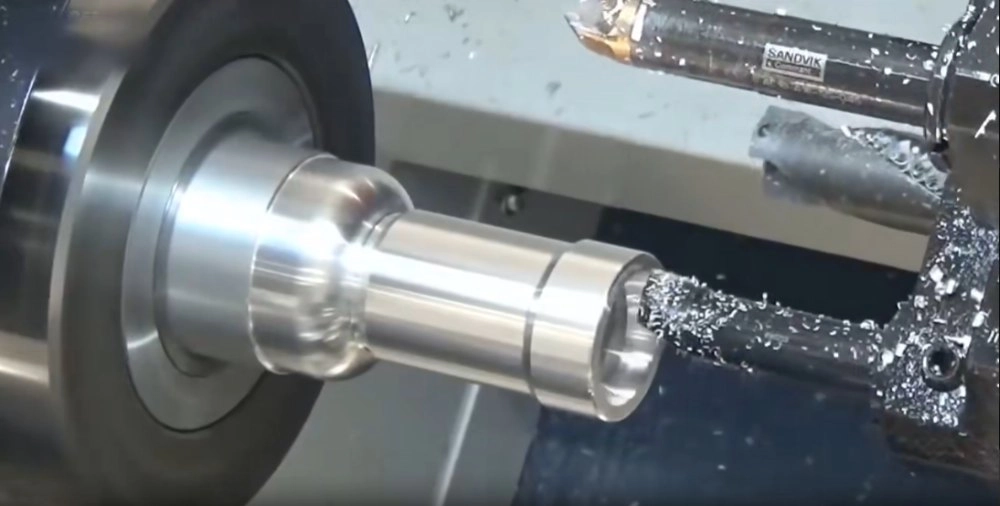
Lathing services refer to the machining process in which a workpiece rotates while a stationary cutting tool removes material to create the desired shape. Today, most professional manufacturers rely on Computer Numerical Control (CNC) lathes rather than conventional manual machines because they offer significantly higher precision, repeatability, and production efficiency.
Modern CNC lathes can manufacture:
Shafts
Bushings
Sleeves
Flanges
Threaded components
Precision pins
Valve parts
Hydraulic fittings
Bearing housings
Custom rotational components
For companies that require consistent dimensional accuracy, professional Lathing services provide an ideal solution for both prototype development and high-volume production.
Although the process appears simple, modern CNC turning involves sophisticated programming and high-precision machine control.
The typical workflow includes:
The process begins with selecting the appropriate material based on the application's mechanical properties and environmental requirements. Common materials include:
Stainless steel
Carbon steel
Aluminum alloys
Brass
Copper
Titanium alloys
Engineering plastics
Material bars or billets are then prepared for machining.
Engineers create machining programs using CAD/CAM software. Every cutting path, spindle speed, feed rate, and tooling sequence is optimized before production begins.
The rotating workpiece is machined using various operations such as:
Facing
Outside diameter turning
Internal boring
Grooving
Drilling
Thread cutting
Parting off
Modern CNC lathes often complete multiple operations during a single setup, reducing handling errors and improving production efficiency.
Finished parts undergo dimensional inspection using precision measuring equipment to verify tolerances, concentricity, surface finish, and thread accuracy before shipment.
Today's CNC lathes are far more capable than traditional turning equipment. Advanced machines provide solutions for demanding industrial applications.
Precision spindle systems significantly improve machining accuracy.
Modern CNC lathes can achieve:
Spindle runout ≤ 0.003 mm
Complete machining of inner circles, outer circles, end faces, and grooves in one setup
Concentricity ≤ 0.01 mm
Reducing multiple setups minimizes cumulative errors and improves overall part consistency.
Traditional lathes mainly produce simple cylindrical components.
Advanced CNC systems equipped with X-Z axes and Y-axis modules can manufacture:
Polygonal profiles
Eccentric shafts
Non-circular surfaces
Complex contour geometries
This expands design possibilities while reducing secondary machining.
Thread quality directly affects assembly performance.
High-resolution encoders with positioning accuracy of 0.001° enable machining of:
Metric threads
Imperial threads
Module threads
Radial pitch threads
Thread cumulative error can be controlled within ≤ 0.02 mm over 25 mm, ensuring excellent fit and durability.
Many hardened steel components traditionally require grinding after heat treatment.
Using CBN cutting tools, CNC lathes can machine hardened parts above HRC 62 while achieving surface roughness as fine as Ra ≤ 0.4 μm.
This approach reduces production time by eliminating secondary grinding operations.
Automation is one of the biggest advantages of modern CNC lathing.
Integrated systems including:
Automatic bar feeders
Automatic loading devices
Material feeders
allow continuous 24-hour production with minimal operator intervention.
For high-volume manufacturing, monthly production capacity can reach approximately 300,000 parts while maintaining consistent quality.
Precision turned parts are found in nearly every industrial sector.
Automotive components require high dimensional consistency and excellent fatigue resistance.
Typical applications include:
Transmission shafts
Steering components
Engine fittings
Brake system parts
Sensor housings
Aircraft components often require lightweight materials combined with extremely tight tolerances.
Typical aerospace parts include:
Precision bushings
Hydraulic connectors
Titanium fittings
Landing gear components
Rail transportation demands durable components capable of operating under heavy loads.
Lathing services produce:
Axle components
Brake fittings
Coupling parts
Bearing assemblies
Energy equipment requires components capable of long-term operation in harsh environments.
Typical applications include:
Turbine shafts
Valve components
Pump parts
Sealing components
Semiconductor manufacturing equipment requires exceptional machining precision.
Precision turned parts help ensure equipment stability and positioning accuracy for critical manufacturing processes.
In precision manufacturing, even small dimensional deviations can affect product performance.
High-quality lathing services help manufacturers achieve:
Accurate dimensions reduce fitting problems during assembly.
Improved surface finishes reduce friction and wear.
Consistent machining minimizes production defects.
Completing multiple operations in a single setup reduces labor, handling, and inspection costs.
Repeatable CNC programs ensure consistency across thousands of identical components.
Not every machine shop delivers the same level of quality. Before selecting a manufacturing partner, consider several important factors.
Evaluate whether the supplier can handle:
Tight tolerances
Complex geometries
Multi-axis machining
Hardened materials
Reliable manufacturers implement strict inspection procedures using advanced measuring equipment to verify every critical dimension.
If your project involves medium or high production volumes, automation capability becomes increasingly important.
Manufacturers serving industries such as aerospace, automotive, semiconductor equipment, and energy often possess stronger engineering capabilities and process control.
Early communication with experienced engineers can help optimize part design for manufacturability, improving both quality and production efficiency.
Established in 2005, Shanghai Hehua Machinery Technology Co., Ltd., together with its subsidiary Hehua Machinery Technology (Kunshan) Co., Ltd., established in 2018, has built extensive experience in precision metal component manufacturing.
The company provides machining solutions for industries including:
Automotive
Rail transit
Aerospace
Wind power
Nuclear power
Industrial machinery
Semiconductor sealing and testing equipment
New energy equipment
Other high-end equipment manufacturing
By combining advanced CNC turning technology, automated production systems, and rigorous quality management, Hehua delivers precision metal parts that meet the demanding requirements of modern industrial applications.
Its engineering expertise enables customers to move efficiently from prototype development to stable mass production while maintaining consistent product quality.
Lathing services remain one of the most important manufacturing processes for producing high-precision rotational components. Thanks to continuous advancements in CNC technology, today's lathes offer exceptional accuracy, flexible machining capabilities, automated production, and excellent repeatability.
From precision threads and hardened steel machining to complex rotary profiles and large-scale automated manufacturing, modern CNC lathing continues to support the growing demands of advanced industries.
Whether your project involves custom prototypes or high-volume production, working with an experienced machining partner with advanced equipment and strong engineering expertise can significantly improve product quality, manufacturing efficiency, and long-term reliability.


 AddressNo. 66 Xingpu Road, Lujia Town,Kunshan City, Factory Buildings 3 and 4
  en
en
 English
 繁体中文
繁体中文 Italian
 Spanish
 Japanese
 Portuguese
 Korean
 Russian
 French
 German
 Estonian
 Arabic
 Indonesian
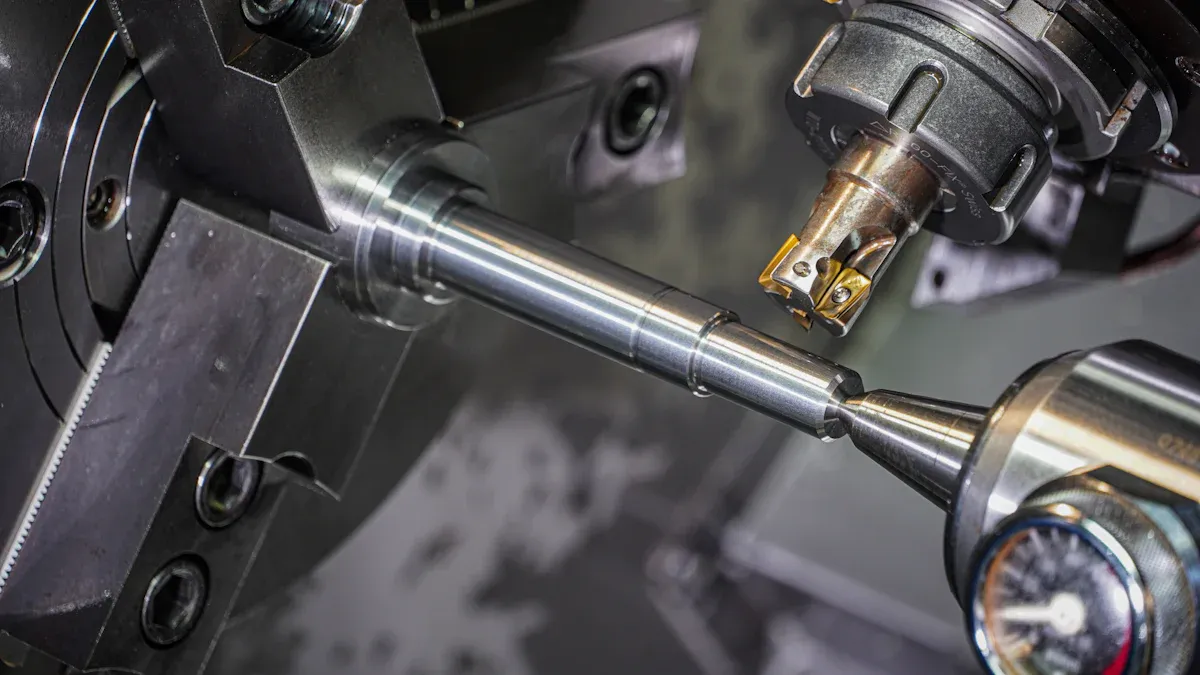
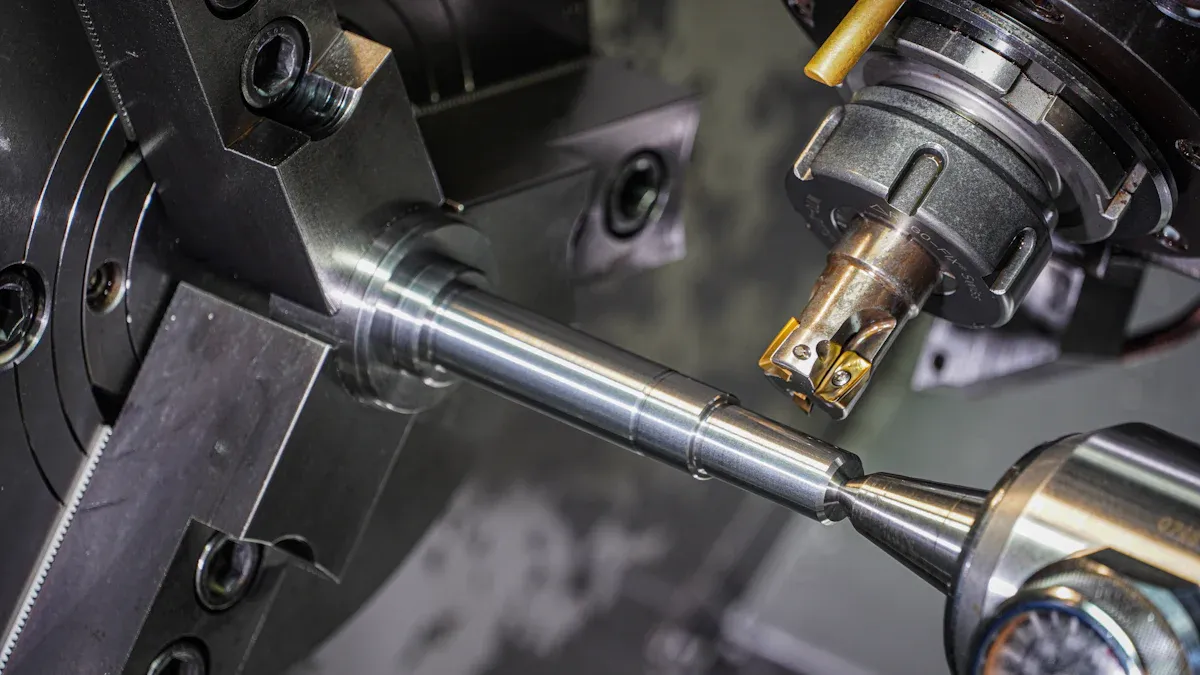
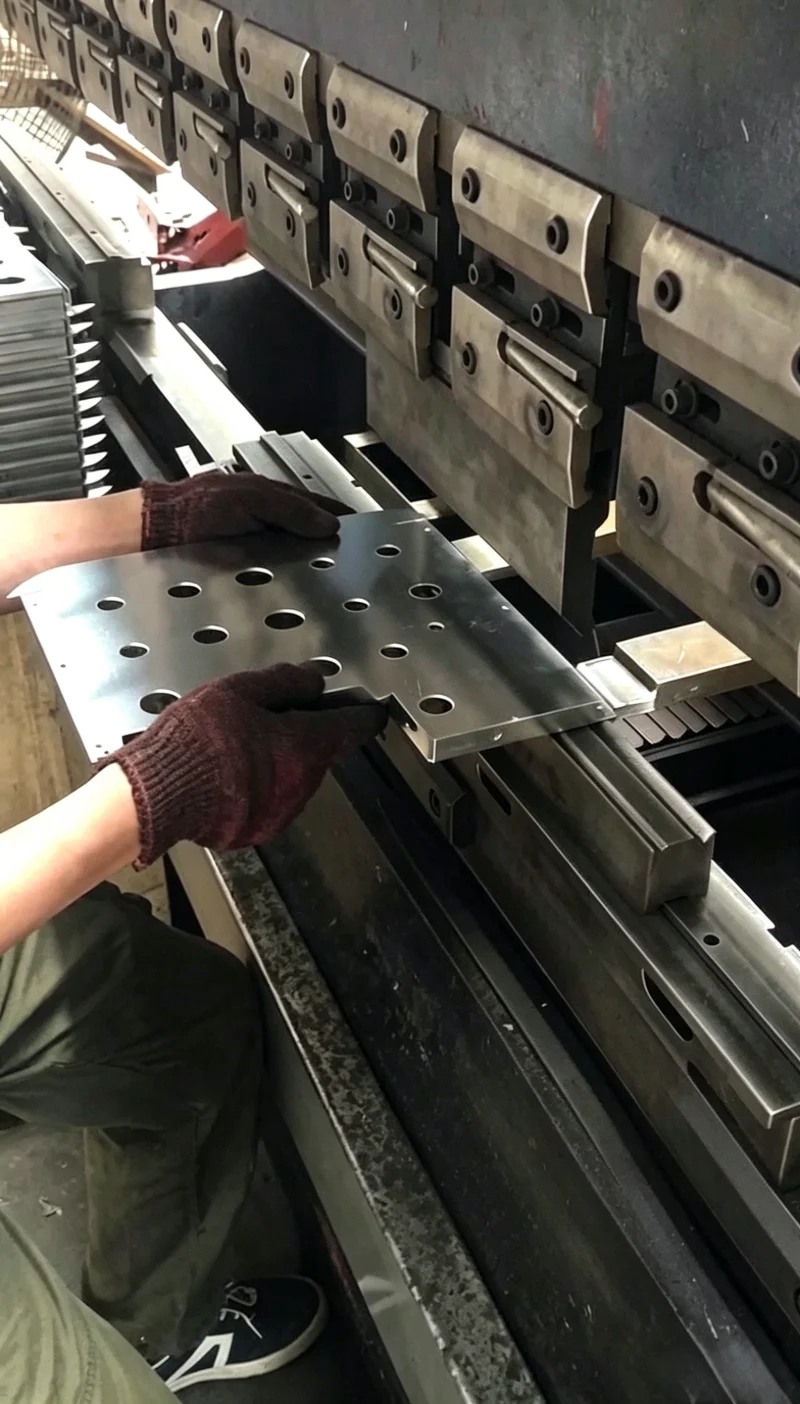


 Message