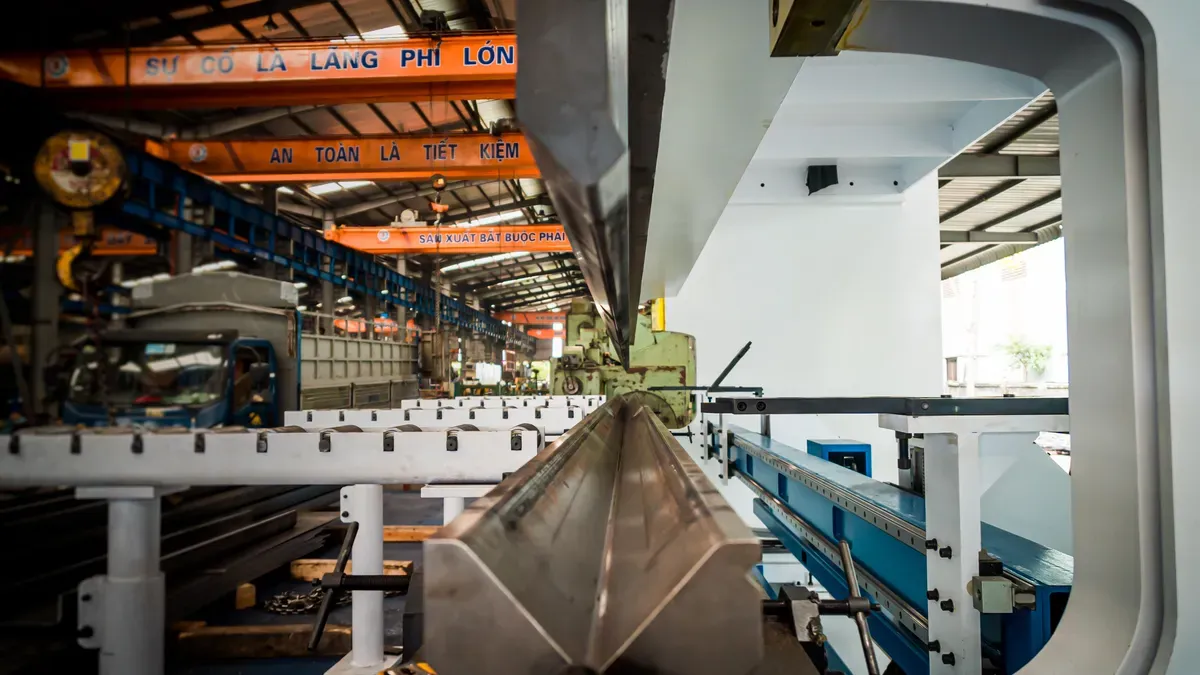
Finding a trustworthy laser cutting and bending supplier in China is not about luck. It is about a clear process. That process starts with your own sheet metal needs and ends with a partnership you can trust. This guide gives you that process step by step. Each step is practical and easy to act on, so you can use it right away on your project. You will learn how to avoid common sourcing mistakes. You will also learn how to build a long-term relationship with confidence, without wasting time or money. By the end, you will know exactly what to ask for, what to inspect, and what to expect from a trusted partner.
Know your part details before you talk to suppliers. Include the material, thickness, tolerances, and quantity. Clear details help you get quotes faster. They stop confusion from happening.
Use B2B websites and trade shows to find suppliers. Check their rankings with more than one source. Pick shops that do laser cutting and bending in the same place.
Check suppliers by asking for ISO 9001 certificates, equipment lists, and photos of their facility. Look for warning signs like very low prices. Proof is important.
Order a small test batch before a big order. Compare samples from different shops. Use a scoring plan for quality, capacity, and on-time delivery.
Build lasting partnerships by communicating clearly. Share your forecasts and backup plans. Start with small orders to earn trust. This approach leads to reliable suppliers.
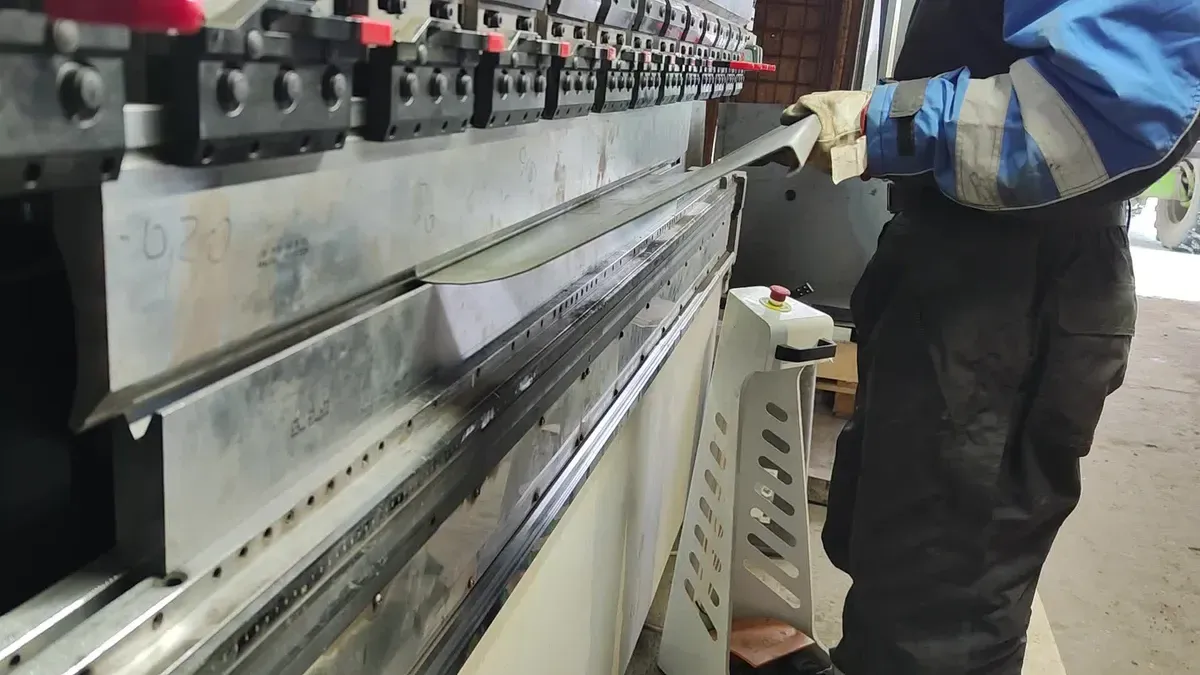
Write down your part's exact needs before you contact any supplier. This saves you weeks of back-and-forth later. A clear specification also lets suppliers quote faster and more accurately.
Start with the material grade. Most Chinese shops carry these materials. They have SPCC and SGCC cold-rolled and galvanized steel, 304 and 316 stainless steel, and 5052 and 6061 aluminum. Each grade bends differently. Because stainless steel work-hardens and springs back more, it needs compensation. Aluminum bends easily and springs back very little, but watch the grain direction on a tight bend radius.
Material thickness affects machine tonnage and tooling choice. Here are common ranges:
Material | Thickness Range | Bending Notes |
|---|---|---|
Mild steel (SPCC, DC01) | 0.5 mm – 12.0 mm | Most common; excellent formability |
Stainless steel (304, 316) | 0.5 mm – 8.0 mm | Higher tonnage; springback compensation |
Aluminum (5052, 6061) | 0.5 mm – 10.0 mm | O/H temper recommended to avoid cracking |
Galvanized steel (SGCC) | 0.5 mm – 6.0 mm | Zinc coating needs care at the bend line |
Tolerance targets are important too. For precision work, ask for a CNC bending dimension tolerance of plus or minus 0.05 to 0.1 mm. Also ask for a bending angle tolerance of plus or minus 0.5 degrees. Standard sheet metal tolerances follow ISO 2768 when your drawing does not state tighter values.
Now think about part shape and order size. Complex parts with many flanges, tight bend radii, or deep boxes need a CNC press brake with good backgauge repeatability. Simple brackets work on almost any press brake. Tell your supplier if you need springback and forming optimization, because that step lowers defect rates in mass production.
Order size shapes your whole buying plan. Prototype runs of 1 to 10 pieces let you check fit and finish. Small batches of 20 to 200 pieces come next with steady process control. High-volume stamping plants usually want 5,000 pieces or more. A precision shop handles 1 to 2,000 pieces well. Many buyers start with 40 stainless test rigs, then grow to 200 pieces. Others begin with 120 aluminum link arms and grow to 500 pieces per month.
A capable partner can handle all of this. Hehua, for example, works with 0.5 mm to 12 mm sheets. It holds a dimensional tolerance of plus or minus 0.05 to 0.1 mm and offers free springback optimization. That combination supports custom sheet metal bending from one prototype to full production.
You know your part specs. Now you need a shortlist of suppliers. China has thousands of sheet metal fabrication shops. The right search strategy filters them fast.
Start with online directories. Alibaba, Made-in-China, and Global Sources list thousands of sheet metal bending suppliers in china. Search for "Top 10 Best Laser Cutting Suppliers in China" or "Top 10 Laser Cut Sheet Metal Manufacturers in China." These ranking lists give you a starting point. They also help you spot bending machine manufacturers in china with strong export records.
Do not trust rankings alone. Cross-check each name. Look for suppliers who handle both bending and laser cutting under one roof. An integrated shop saves you from managing multiple vendors. You get one quote, one lead time, and one quality standard.
Yawei Laser is a useful comparison name here. Yawei built its brand on CNC punching and bending equipment before expanding into laser cutting. When you evaluate a similar supplier, verify which division handles your project. Ask about the exact machine series, the service route, and the component package. These details separate a true integrated partner from a trading company.
Trade shows put you face to face with chinese bending machine manufacturers. MetalFab China is the top annual event. The China Forging & Pressing Association established it in 2007. It ranks among the world's leading specialized shows for sheet metal processing. The 2025 edition ran from June 17 to 20 at the National Exhibition and Convention Center in Shanghai. You can see laser cutting systems, bending equipment, and shearing systems in action.
Other shows matter too. Use this table to plan your visit:
Exhibition | Dates and City | Relevance |
|---|---|---|
Metalworking and CNC Machine Tool Show (MWCS) 2026 | 12–16 October, Shanghai | Metal cutting, forming, lasers, inspection |
CMES Dongguan International Machine Tool Exhibition 2026 | 29 October–1 November, Dongguan | Sheet-metal and stamping equipment near Pearl River Delta factories |
Ningbo International Machine Tool Equipment Exhibition 2027 | 18–20 March, Ningbo | Lasers and sheet metal linked to eastern Zhejiang manufacturing |
China International Machine Tool Show (CIMT) 2027 | 19–24 April, Beijing | National comparison of cutting, forming, and automation |
Reddit and Facebook groups give you real buyer feedback. Search for sheet metal sourcing communities. Members share recommendations and warnings about specific suppliers. You can also ask a local agent or a business contact for a referral. A trusted referral often beats any online list.
When you contact on-demand bending suppliers, ask about their full production flow. A partner who offers laser cutting, bending, welding, and finishing streamlines your entire sourcing process. You avoid the headache of coordinating bent parts from china across four different shops.
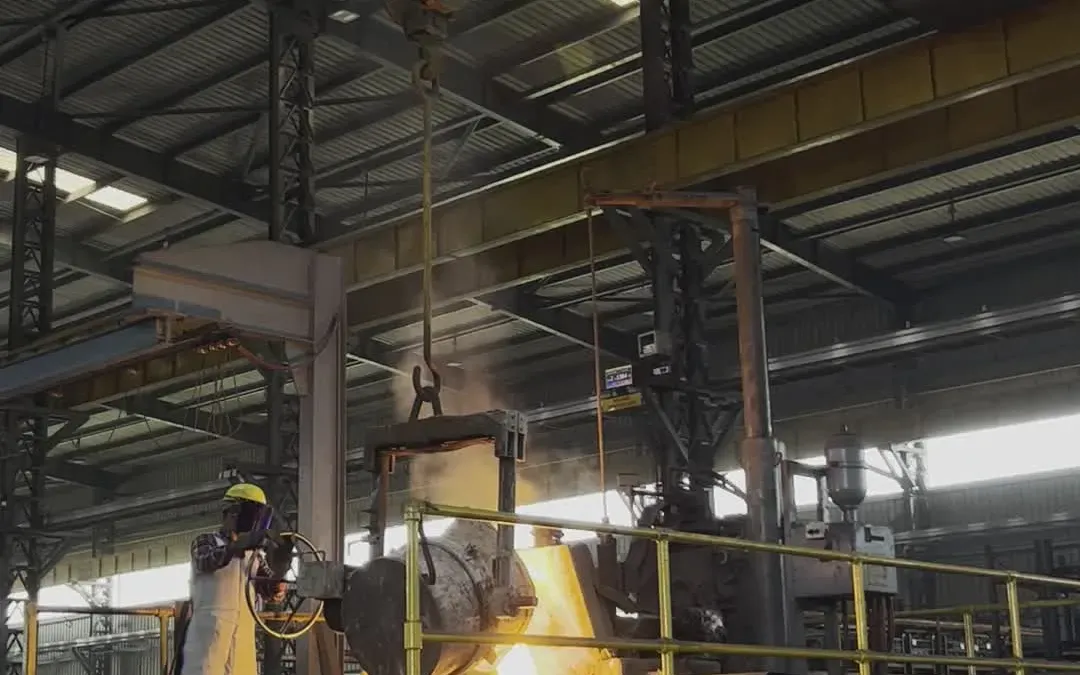
Once you have a shortlist, check who is real and who is not. Treat every claim as unproven until you see proof. This step separates reliable factories from trading companies. Careful screening now saves months of rework later.
Start with quality certifications. Ask for ISO 9001. This standard shows a written quality-management system and supports steady results. If your parts are for automotive or rail projects, ask for IATF 16949, EN 15085, or EN ISO 9606-1.
A sheet metal bending manufacturer should also provide an equipment list. Ask for the names and ages of every press brake machine. Look for a cnc press brake with up to 3,000 mm of work length. That size can handle large panels. A cnc press brake with good backgauge control can hold the tolerances you set. A full list confirms press brake bending and shows if the shop uses automatic bending robots and servo bending units. Strong chinese bending machine manufacturers keep detailed lists. Weak ones hide the condition of their machines.
Red flags hide in the details. One common trick is a demo-only configuration mismatch. A supplier may show cutting with a higher-grade laser source than the machine actually quoted. Ask for a cutting test that uses the exact configuration and laser source model from your quotation. Watch for these warning signs:
Red flag | Warning sign | Screening response |
|---|---|---|
Supplier posing as factory | Says it is a manufacturer but outsources production | Check who owns the cutting, forming, welding, coating, and assembly equipment |
Extremely low price | Quote may hide thinner materials or poor welding | Look at total cost over the product's life |
Weak engineering support | Factory struggles with CAD review and prototyping | Make sure an in-house engineering team exists before OEM work |
When you look at sheet metal bending services, use ISO 9001 together with DFM review and first article inspection. Hehua, a fabrication specialist in Kunshan, does exactly that. Founded in 2005, the company added a subsidiary in 2018. It serves automotive, rail transit, and aerospace clients. The plant covers over 17,800 square meters and has more than 160 workers. An ERP system tracks every order from quote to delivery. Their ISO 9001-certified system allows full traceability.
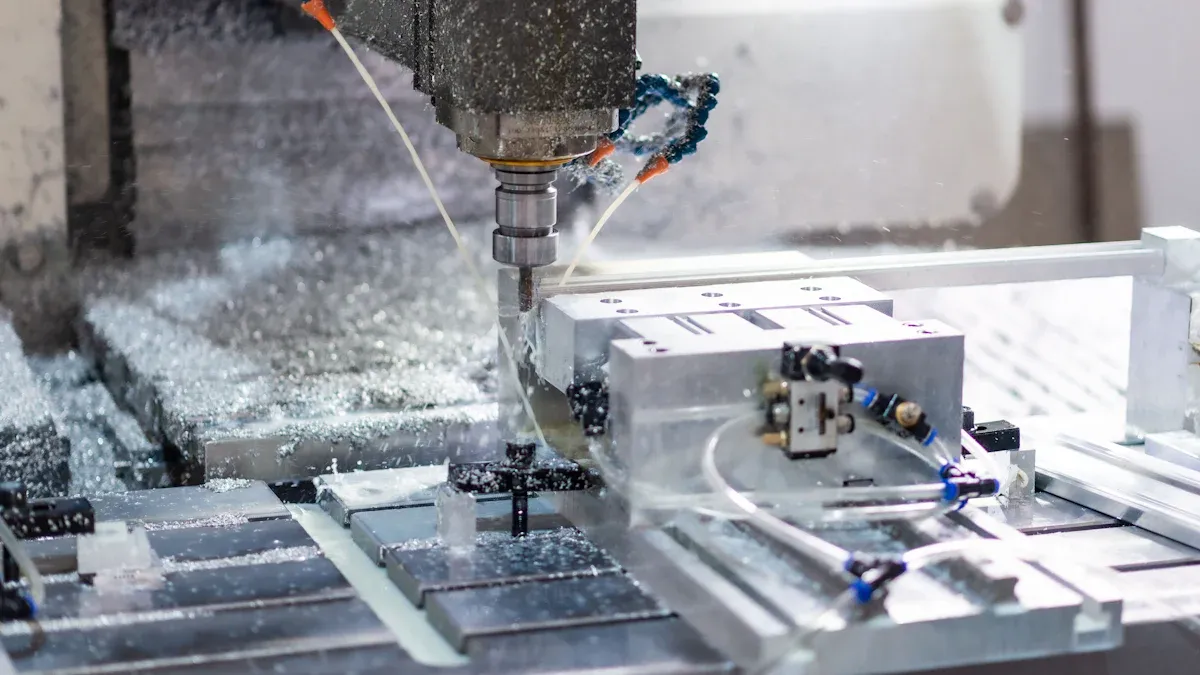
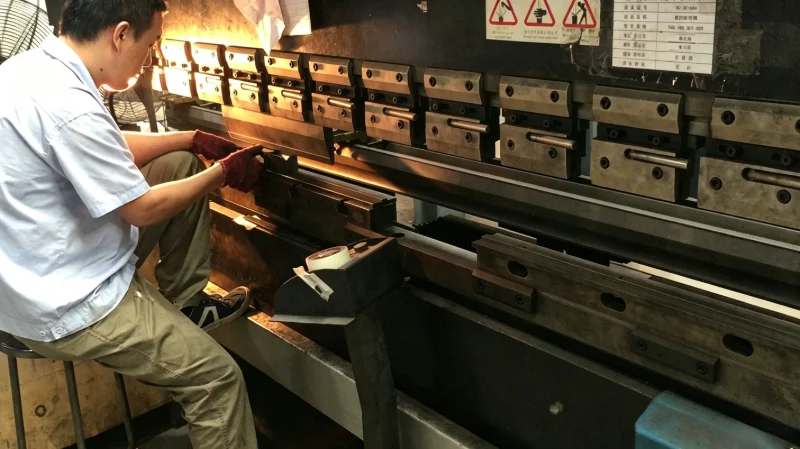
Ask every candidate for facility photos and videos. This is important when you check sheet metal bending suppliers in china. Compare the equipment list you received with what you see. Confirm the documented process range and material expertise. Ask for sample photos of precision sheet metal parts. Look for advanced machinery in the images. Check that production can run at the scale you need.
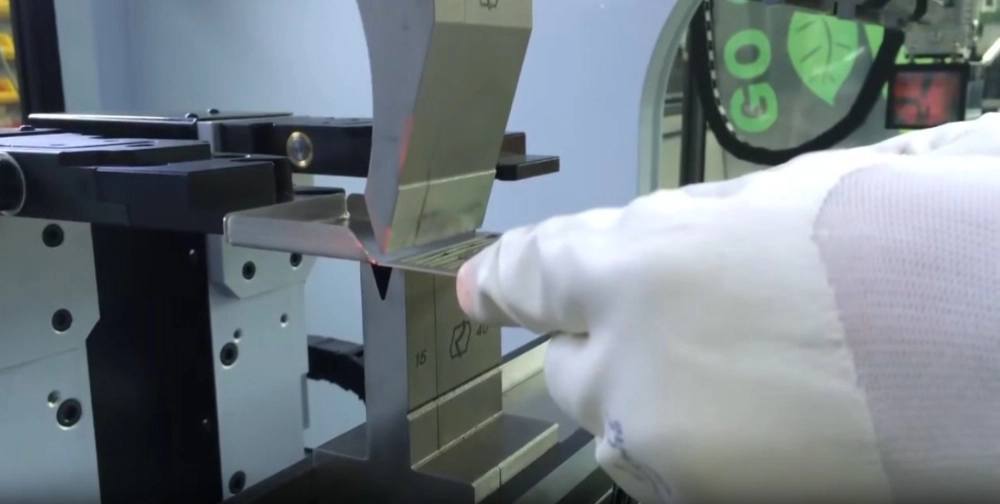
A factory walk-through video shows the production environment. You want to see clean floors, organized tooling, and machines in use. Many buyers also visit factories in Dongguan, China. A visit gives you a real look at workflow and worker skill. Watch how operators do press brake work and how they measure finished parts.
When you compare suppliers, focus on full capability. A laser cutting and bending supplier with integrated services lowers your logistics load. Hehua combines cutting, stamping, welding, and surface treatment. They support prototypes and mass production with a monthly capacity of 50,000+ pieces. That range of sheet metal bending skill shows a partner ready for long-term work.
A clear request helps you get every quote faster. Suppliers in china reply quicker when your papers leave nothing to guess. This step turns your shortlist into a real comparison.
Your RFQ must have every detail a shop needs to price the job. Send a 3D CAD file in STEP, STP, or SLDPRT format. Add a 2D flat pattern in DXF or DWG for laser cutting profiles. Include a PDF drawing with tolerance callouts, material grade, and finish. State the quantity and any quantity breaks. List hardware inserts and assembly notes.
Category | What to Include |
|---|---|
3D CAD File | STEP, STP, X_T, IGS, or SLDPRT at current revision |
2D Drawing | Dimensions, tolerances, datums, bend info, finish, revision |
Material & Thickness | Grade, temper, material thickness, grain direction |
Quantity | Prototype count, order quantity, annual demand |
Critical Features | Datums, bend geometry, hole patterns, mating interfaces |
Finishing | Coating, anodizing, plating, masking, marking |
Inspection | First-article reports, material certs, traceability |
Ask for DFM feedback with your quote. A good partner points out a tight bend radius or a hard flange before production starts. Ask for an instant quote when you send your drawing. That speed shows how the shop talks with you.
Order a small batch before you commit to a big order. Check sizes against your drawing. Make sure every bent part has the same angle. Look at the surface for scratches, burrs, and tool marks.
First article CMM inspection finds problems early. A CMM reaches volumetric accuracy of plus or minus 0.003 mm. It checks true position, profile, and squareness. For a run of 500 parts, the first article goes to CMM. Then every 50th part gets checked with the CMM. Gauges handle routine checks on the floor.
Ask your suppliers to check 100% of key bending sizes. This step proves every critical feature meets the print. A cnc press brake with good backgauge control holds those tolerances. Compare samples from two or three shops side by side. The best custom sheet metal bending sample will show tight angles and clean edges. That sample shows how the full order will run.
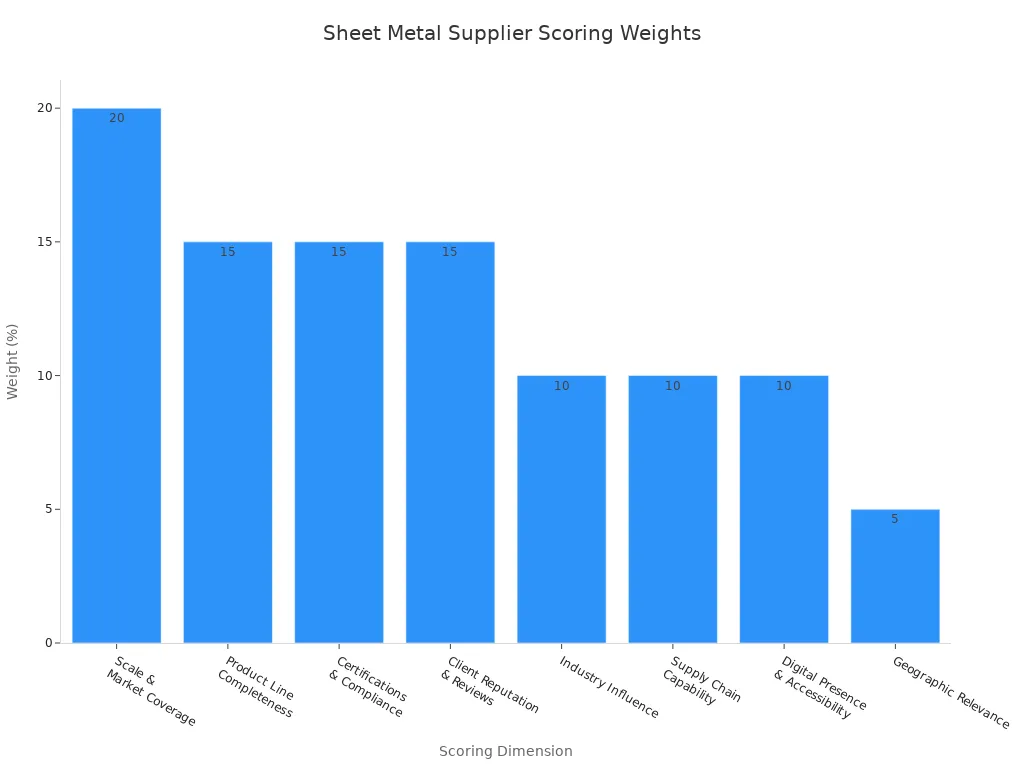
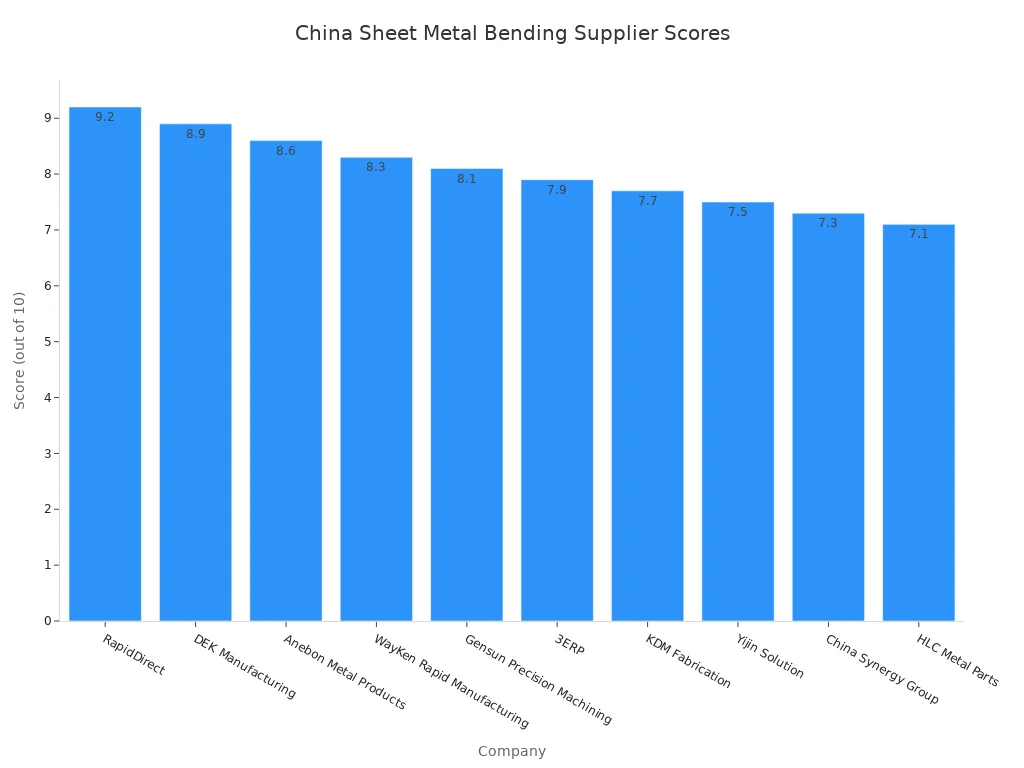
You now have quotes and samples from a few shops. The next step is to compare them fairly. Use a scoring plan so feelings do not make your choice. One published plan gives 20% to scale and market coverage, 15% to product line completeness, 15% to certifications, 15% to client reputation, 10% to industry influence, 10% to supply chain capability, 10% to digital presence, and 5% to geographic relevance. Each part gets a score from 1 to 10. A weighted total then puts each supplier in a tier. Tier 1 scores 8.5 or higher, Tier 2 scores 7.5 to 8.4, and Tier 3 falls below 7.5.
Quality systems come first. Check for ISO 9001, and look for IATF 16949 or AS9100D when your industry demands them. Then compare monthly capacity. A strong shop can make 50,000 or more pieces each month. Ask for the on-time delivery rate. A rate of 98% or higher shows a steady schedule. These three numbers tell you whether a supplier can grow with you.
A cnc press brake with tight backgauge control helps both quality and speed. Ask how the shop handles a tight bend radius and springback. The answer shows real sheet metal bending skill and cost control. The table below shows how ten suppliers scored under this plan.
Rank | Company | Location | Core Strength | Score | Tier |
|---|---|---|---|---|---|
1 | RapidDirect | Shenzhen, Guangdong | AI-powered on-demand CNC and sheet metal | 9.2/10 | Tier 1 |
2 | DEK Manufacturing | Shenzhen, Guangdong | Multi-process manufacturing | 8.9/10 | Tier 1 |
3 | Anebon Metal Products | Dongguan, Guangdong | Precision CNC machining | 8.6/10 | Tier 1 |
4 | WayKen Rapid Manufacturing | Shenzhen, Guangdong | Rapid prototyping | 8.3/10 | Tier 2 |
5 | Gensun Precision Machining | Dongguan, Guangdong | Ultra-tight tolerances | 8.1/10 | Tier 2 |
6 | 3ERP | Zhongshan, Guangdong | Prototyping for major brands | 7.9/10 | Tier 2 |
7 | KDM Fabrication | Wuxi, Jiangsu | Sheet metal specialist, AS9100D | 7.7/10 | Tier 2 |
8 | Yijin Solution | Shenzhen, Guangdong | Broad service menu | 7.5/10 | Tier 2 |
9 | China Synergy Group | Multi-facility | Contract manufacturing and assembly | 7.3/10 | Tier 3 |
10 | HLC Metal Parts | Guangdong | Electrical contact assemblies | 7.1/10 | Tier 3 |
Start with a trial order before you commit to volume. A small run tests the real workflow. Ask for an inspection report with that order. A third-party audit adds one more layer of proof. These steps cost little and protect your project.
Hehua shows how full-cycle cooperation works. The shop runs bending and laser cutting under one roof. It supports a prototype, then scales to mass production without changing partners. That continuity keeps your quote stable and your quality steady. Compare top sheet metal bending services providers in china this way, and you will pick a partner who lasts.
You have compared suppliers and picked your favorite. Now you need to set terms that keep your project safe. This step covers money, timing, shipping, and customs. Get these right, and your order shows up without surprises.
Ask for a full cost breakdown. A good quote lists material, bending, laser cutting, finishing, and packaging on separate lines. This helps you compare suppliers in a fair way. It also shows where you can save money without losing quality.
Lead times depend on order size and how complex the part is. A prototype may ship in days. Mass production takes longer. Ask your supplier for a written schedule with milestones. Add a buffer for unexpected delays.
Payment terms should protect both sides. A common setup is a deposit plus a balance before shipment. For bigger orders, you can use escrow or a letter of credit. Never pay the full amount upfront to a new supplier. Start with a trial order to build trust.
Incoterms define who handles shipping, duties, and risk. Pick the term that matches your experience and resources.
Responsibility | FOB | DDP |
|---|---|---|
Main freight booking | Buyer | Seller |
Transit risk transfer point | When goods are on board at origin port | Upon delivery at named destination |
Import clearance handling | Buyer | Seller (or its agent) |
Import duties and taxes payment | Buyer | Seller (included in price) |
Freight and duty cost visibility | Fully visible to buyer | Bundled into single price |
Under EXW, the seller only makes goods ready for pickup. You handle everything from that point. Under FOB, the seller loads goods onto the vessel. You manage freight and import clearance. Under DDP, the seller handles everything until goods reach your door.
Under 19 U.S.C. 1484, the party that makes entry — the importer of record — carries the statutory duty to use reasonable care and to provide the information CBP needs to assess duties and admissibility. Liability for duties, liquidated damages and penalties runs to that party even when the error came from a supplier's invoice or a broker's filing.
If this is your first import, DAP with your own broker is usually the clearest split. The supplier delivers, and you clear customs. Many Chinese suppliers offer worldwide shipping and handle one-off prototypes to mass production. They help you with documents like commercial invoices, packing lists, and certificates of origin. The customs broker confirms the exact document list for each entry.
Your first order is not the end of the job. The real reward comes from steady communication and a clear plan for growth. These two habits turn a one-time deal into a lasting partnership.
Set a regular communication plan that both sides can follow. Share your rolling demand forecast every month. Ask for a production update each week. Request a shipping notice for every shipment. Hold a quality review monthly or quarterly. Do an annual business review to check overall results. These habits catch small issues before they turn into big ones.
Documents need the same care. Share drawings, control plans, and inspection criteria in Chinese, or hire a local agent to translate them exactly. Check that both sides understand at every step. Pick one person as the main contact. Agree on document numbering, revision control, and a change-request process before production begins. Ask for root-cause analysis and a corrective action plan whenever a defect shows up. Treat every inspection as useful feedback, not blame.
Add extra time to your schedule. Overseas shipping can take different amounts of time. Build in a few extra days. Pre-order raw materials while you are still getting quotes. Track production milestones every week. Keep more than one freight forwarder ready. A crowded port should never stop your parts from moving.
Check and approve backup suppliers before you need them. Choose a second or third option in another country. Use a China-based sheet metal fabrication partner for large runs, and use a regional specialist for critical parts. Keep extra stock of key parts on hand. Use domestic shops for prototypes and urgent first runs, then move the volume to China. Formal audits and production part approval documents show that backup suppliers really meet your standards.
Hehua is a good example of this long-term approach. Its full set of fabrication services covers laser cutting, bending, welding, and surface treatment under one ISO 9001-certified system. The company provides complete sheet metal bending services, from prototype to mass production, with full traceability on every order. When one company controls the whole process, scaling becomes easier and quality stays steady as your volume grows.
Know your needs first. Search with a clear list. Check suppliers using certificates and facility visits. Test samples before big orders. Compare vendors on quality, capacity, and delivery. Agree on terms that protect both sides. Each step builds trust with your laser cutting and bending supplier.
Start now with a clear RFQ. Include material, thickness, tolerances, quantity, and finish. Order a small trial run. The trial proves quality before full production. Use these results to make your final choice.
Getting the right partner in China needs a plan, not luck. Use these steps. You will find dependable fabrication services and create a strong partnership. Act today.
People ask these questions a lot when they look for suppliers. The answers below tell you what numbers to check and what to do next.
Ask for ISO 9001 certification and an equipment list with machine names and ages. Check the list against facility photos or videos. Trading companies cannot show real machines. The clearest proof is visiting factories in Dongguan, China.
For precision work, a CNC press brake keeps dimensions within ±0.05 to ±0.1 mm and angles within ±0.5°. Stainless steel needs springback compensation; aluminum springs back less. Write your tolerance targets on the drawing so the shop quotes accurately.
Yes. Start with a prototype run of 1 to 10 pieces; most precision shops accept that. A trial order checks dimensional accuracy and surface finish before volume buying. Ask for a first article CMM report and 100% inspection of key bending dimensions.
Pay a deposit plus the balance before shipment for a first order. Escrow or a letter of credit protects larger orders. Never pay the full amount upfront to a new supplier. Start with a small trial order to build trust.
Many Chinese fabricators make one-off prototypes and can also do mass production. A capable partner can handle a single test piece and 50,000+ pieces per month with the same process control. Ask about quantity breaks when you request quotes.


 AddressNo. 66 Xingpu Road, Lujia Town,Kunshan City, Factory Buildings 3 and 4
  en
en
 English
 繁体中文
繁体中文 Italian
 Spanish
 Japanese
 Portuguese
 Korean
 Russian
 French
 German
 Estonian
 Arabic
 Indonesian


 Message