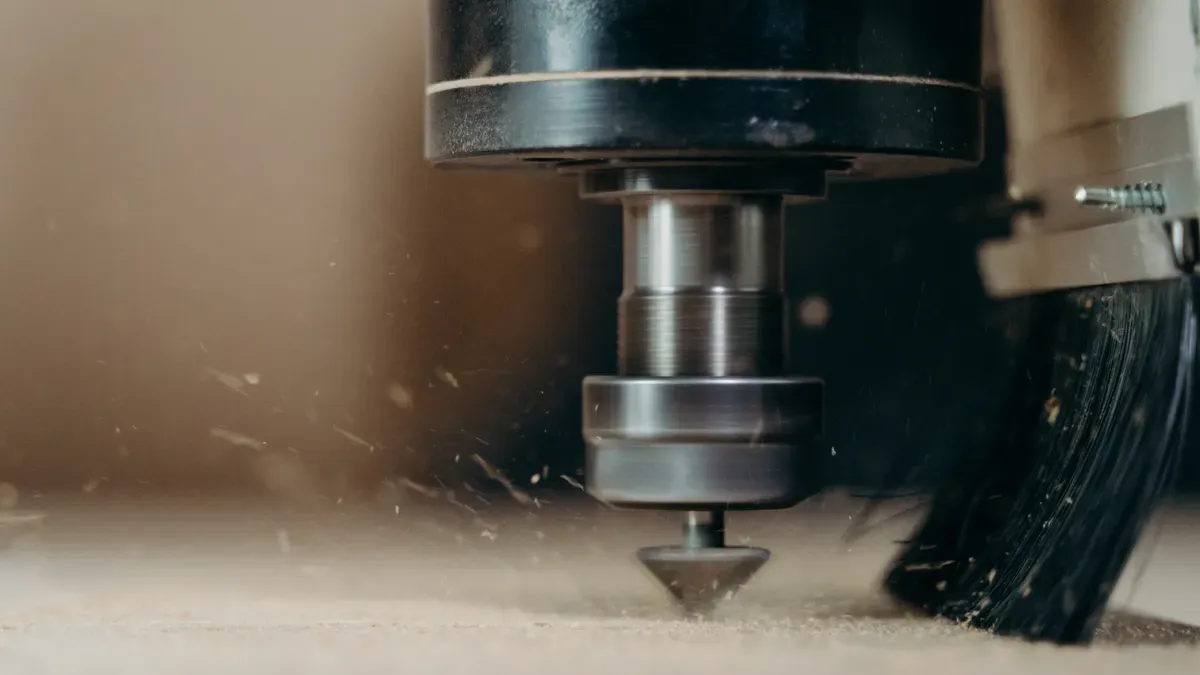
Yes, many Chinese CNC machining suppliers accept sample orders and small batch production. You can expect three things upfront: fast and clear quotes, a willingness to handle small amounts, and good communication. This guide takes you through quoting, quality checks, communication, lead times, costs, and risk reduction step by step. You will learn how to ask for correct quotes, check tolerances, and plan for time zone differences. The goal is simple: help you test a Chinese CNC machining supplier with confidence. Start with one or two samples, look at the results, then increase your order. This method keeps your risk low and your expectations realistic.
Send a STEP file, 2D drawing, material grade, finish, and quantity to get a fast and correct quote.
Ask for certifications like ISO 9001 and IATF 16949, and also first article inspection reports to check quality.
Begin with a sample order of 1-10 pieces to check communication and quality before you increase your order.
Pay 30% upfront, then pay the rest before we ship, and pick trade assurance to keep your order safe.
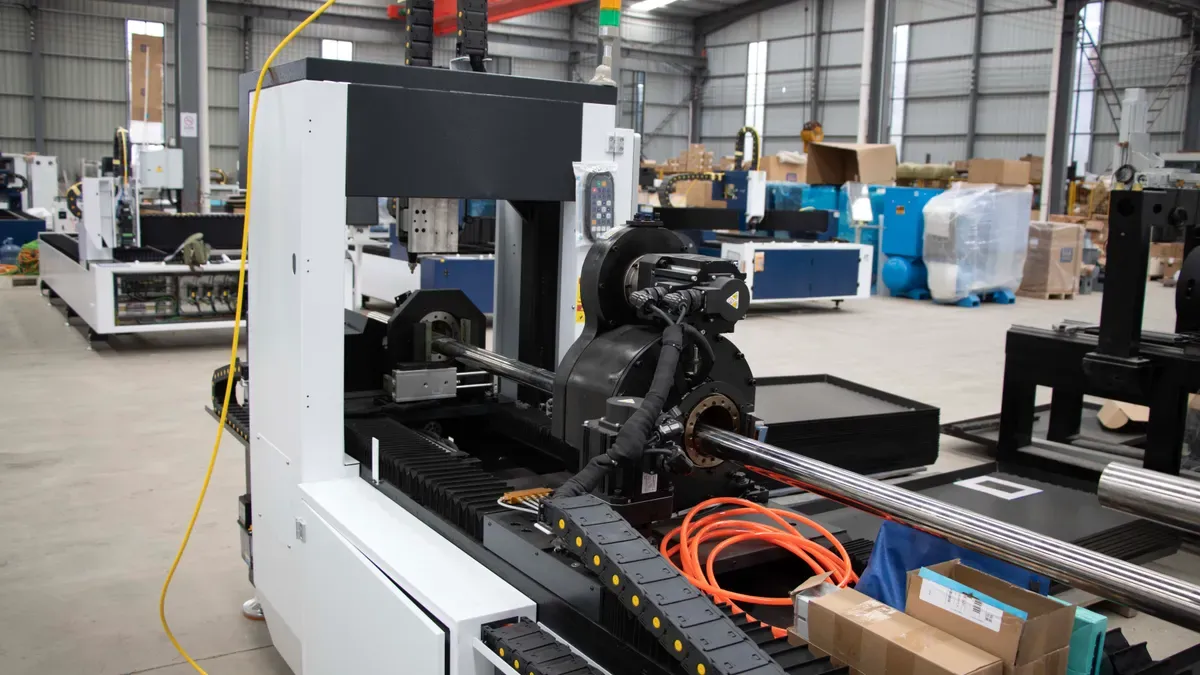
A dependable chinese cnc machining supplier gives you quotes quickly. Many send instant quotes or two-hour quotes for single-piece orders. You send a STEP file and a 2D drawing, and a quote shows up in your inbox that same day. That speed is important when you are prototyping with a deadline.
Your quote can only be as good as the details you give. Send a STEP file for the shape, a 2D PDF drawing with tolerances, the material grade, the finish, and the quantity. Write "6061-T6 aluminum," not just "aluminum." If your material callout is vague, the factory may pick an alloy based on cost instead of your needs.
Tell them your quantity tiers. Ask for prices at your prototype quantity, a mid-range test run, and your expected production lot. This shows how setup cost gets spread across volume. A manufacturer that charges the same unit price for one part and fifty parts has not split setup from material.
The seven-stage process goes from design review to delivery. Each stage has its own timeline and delay drivers.
Stage | Typical Duration | Delay Drivers | Buyer Control |
|---|---|---|---|
DFM Review | 1–2 days | Missing tolerances, no 2D drawing | File quality and callout clarity |
Quoting | 24 hours–2 days | Unstated quantity or finish | Completeness of RFQ |
Material Procurement | 1–5 days | Non-stocked alloys, price movement | Grade flexibility, quote validity |
Machining | 2–10 days | Setup count, geometry, batch size | Design that reduces setups |
Inspection | 1–2 days | Report scope agreed late | Inspection spec fixed at RFQ |
Finishing | 2–5 days | Outsourced treatments, batching | Finish chosen upfront |
Shipping | 3–7 days air, 14–30 days ocean | Customs paperwork, freight mode | Incoterms and mode |
Sample pricing for a simple aluminum bracket is about $90–$100 for five pieces from a Chinese supplier. Western services often charge more for the same order. That gap comes from lower machining rates and operator wages, not lower quality.
Most suppliers do not set a strict MOQ for samples. Prototype runs of 1–10 pieces are common. Low-volume production covers 10–1000 pieces. A small pilot order of 10–20 units lets you check quality and on-time delivery before you commit to full production.
Payment terms follow a pattern you can expect. For small batches, 30% deposit plus 70% balance before shipment is the industry standard. The deposit covers raw material and CAM programming. A 100% prepayment works for sample runs under $1,000. Net 30 terms appear only after you build a track record. Letter of credit works for contracts above $100,000.
Ask about trade assurance and PayPal for first orders. These options protect your payment while you check what the supplier can do. A trustworthy manufacturer will welcome the question.
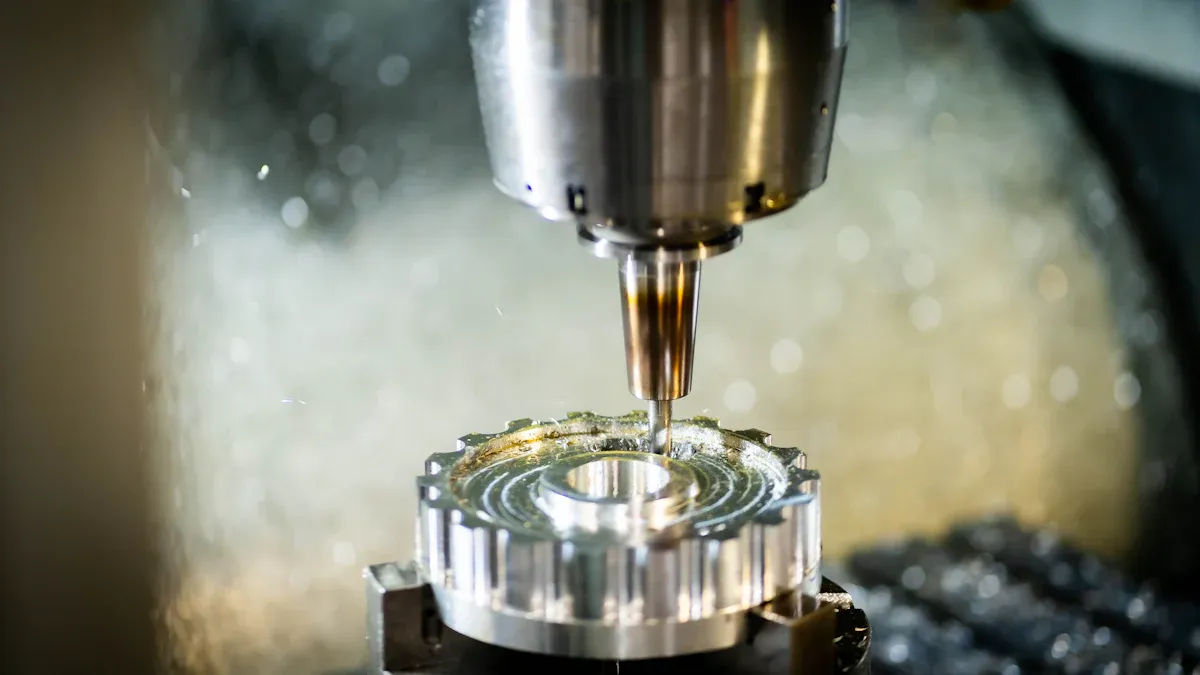
Quality is what makes a good CNC machining supplier different from a risky one. You need proof, not just words. Ask for certifications, tolerance data, and inspection records before you order parts for production.
How tight a tolerance the factory can hold depends on its machines and how carefully it works. General commercial machining keeps parts within ±0.1 mm for brackets and covers. Precision work goes down to ±0.05 mm for bearing seats and parts that fit together. High-precision shops can hit ±0.01 mm on important holes. Some shops with 5-axis, Swiss, grinding, or EDM machines plus CMM inspection can reach tighter tolerances on special features. Hehua Machinery Technology (Kunshan) Co., Ltd. keeps tolerances as tight as ±0.02 mm in its CNC machining and setup operations, backed by strict quality checks.
Inspection reports turn claims into real data. A First Article Inspection checks the first samples before full production. A Certificate of Analysis confirms the alloy makeup and where the material came from. Full reports include point-to-point measurements and checks for GD&T. Statistical Process Control watches tool wear to see if it stays within tolerance. Ask for quality inspection reports with every batch. This keeps every part the same across your whole production run.
The material you pick decides how the part works. Chinese suppliers machine aluminum alloys like 6061-T6 and 7075-T6 for electronics and car parts. Stainless steel grades 303, 304, and 316L are used for medical and food-grade parts. Carbon and alloy steels like 1018 and 4140 work for building parts. Brass, copper, titanium Grade 5, and engineering plastics like PEEK fill out the list. The supply chain also supports anodizing, electroplating, sandblasting, polishing, and heat treatment.
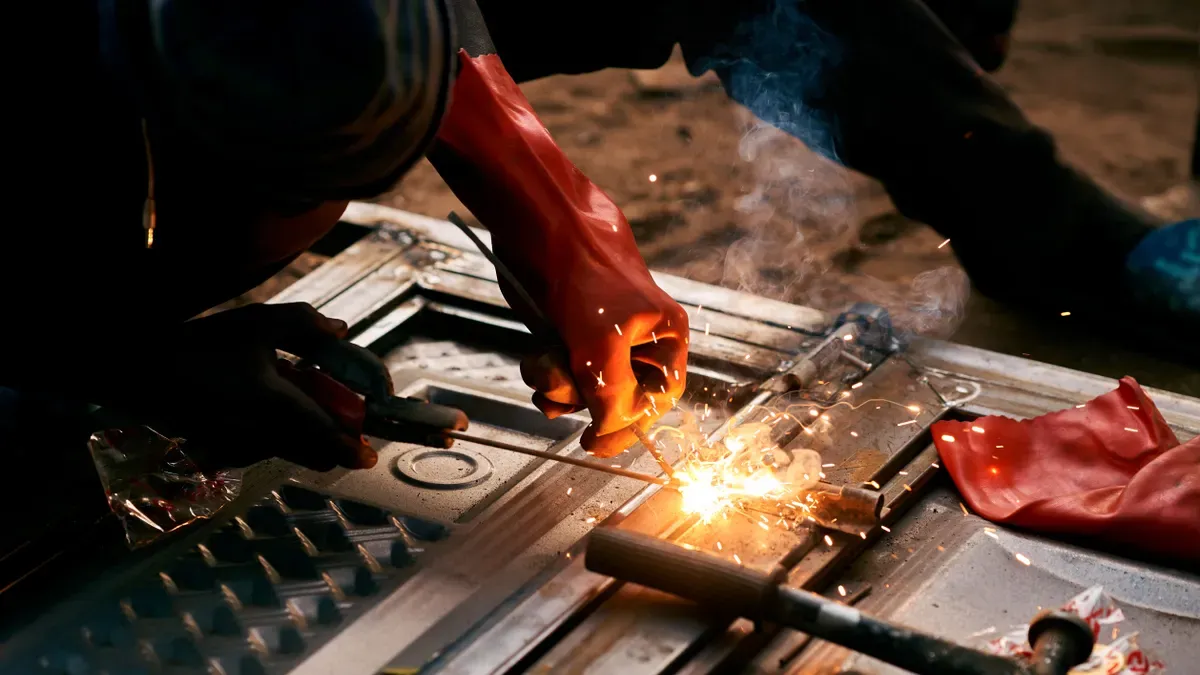
Certifications prove what a manufacturer can do. Hehua has ISO 9001 for quality management, IATF 16949 for automotive standards, EN 15085 for rail vehicle welding, and EN ISO 9606-1 for welder skill checks. These matter for prototyping and rapid prototyping projects that must follow industry rules.
Certification | What It Confirms |
|---|---|
ISO 9001 | A quality system that keeps processes the same every time |
IATF 16949 | Meets automotive quality planning rules |
EN 15085 | Welding systems for rail vehicles |
EN ISO 9606-1 | Checks that each welder has the right skills |
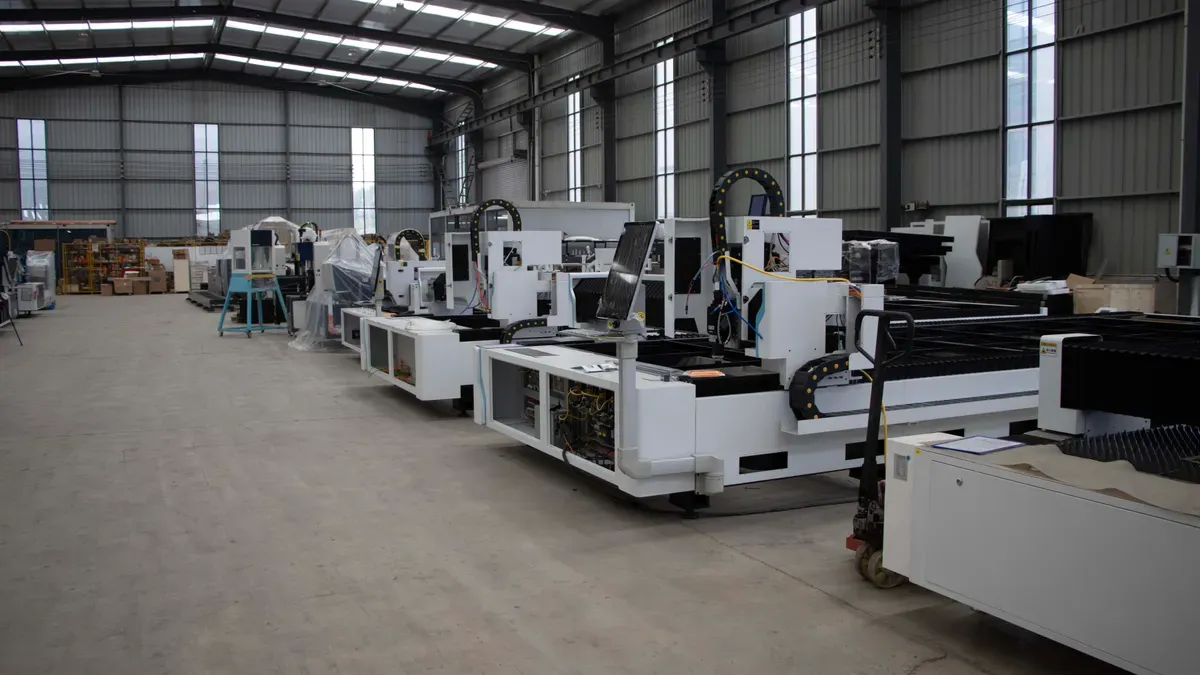
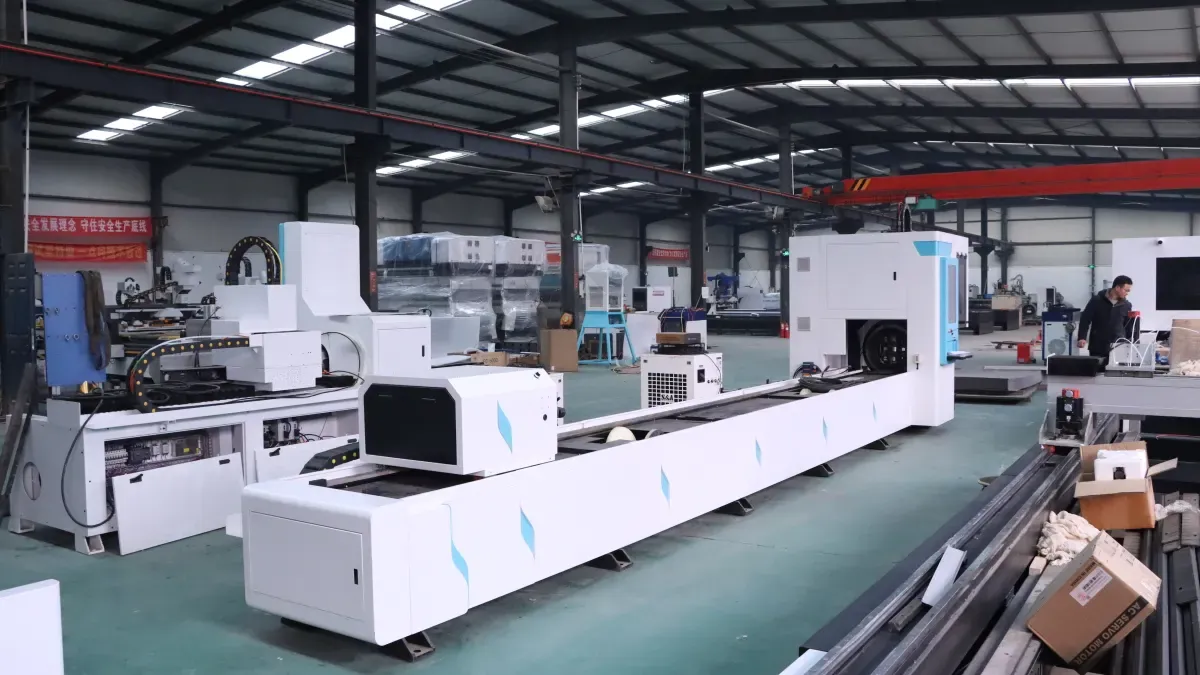
Reliable suppliers give steady processing quality, high precision, and the ability to repeat results. Hehua's factory runs over 60 CNC machines and also does stamping, sheet metal, welding, and mold making. This setup supports rapid prototyping all the way to full production. You get engineering help and on-time delivery from one partner. Check their quality certificates and sample inspection reports before you decide.
Many Chinese CNC suppliers have English-speaking project managers, but not all do. Some factories hire bilingual staff to handle documents and project updates in your language. This kind of communication and customer support makes it easier to work across borders and keeps your manufacturing on track. Time zones can help if you plan ahead. Send your question or drawing file at the end of your workday. You get a reply the next morning after the China factory has looked at it. This daily cycle creates a natural flow for sample production and small batch orders. Suppliers like 3ERP offer bilingual project management with full documentation and inspection reports. WayKen gives detailed DFM feedback that spots possible manufacturing problems before CNC machining starts. Direct access to manufacturing engineers speeds up technical choices for your parts. When you have clear language support and predictable response times, your path from prototype to production stays smooth.
A trustworthy manufacturer assigns a dedicated project manager to your OEM orders. This person organizes design review, material buying, and inspection planning. Engineering support includes Design-for-Manufacturing feedback that catches tolerance problems and geometry issues early. These features help you avoid waste before production starts. Online quoting platforms from suppliers like RapidDirect offer automatic DFM checks and clear project tracking with helpful support. Many suppliers accept single-piece custom orders with no minimum quantity. This makes them great for prototype parts while you test a supplier. Integrated finishing services like anodizing and plating deliver parts ready for assembly. Hehua Machinery Technology (Kunshan) Co., Ltd. combines CNC machining with stamping, sheet metal, welding, and mold making in one project management system. This integrated production capacity covers prototyping to full-scale production. You get direct customer service through one point of contact for every stage. The experience from running over 60 CNC machines and many process types ensures your production goes smoothly. Hehua's factory also has enough capacity to handle larger volumes. Talking directly with engineers instead of only account managers solves problems faster for important CNC parts. When you work with a manufacturer that offers full support, you reduce coordination work and delivery risk. Standard lead times of 5-10 days with rush options for urgent jobs keep your manufacturing schedule flexible. These machining capabilities cover complex shapes while keeping tight tolerances for every part you order.
A 3-day sample delivery is common for testing parts. Simple aluminum parts often ship in 1–3 work days. Medium-hard parts with 3–4 axis cutting take 3–5 work days. Hard parts with 5-axis and tight tolerances need 5–10 work days. Normal CNC test parts of 1–10 pieces take 2–7 work days, with 8–15 total days using express shipping. Small orders of 10–200 parts need 7–15 days, and air freight adds 5–7 days. Runs over 200 parts need 15–25 work days, with sea freight adding 25–35 days. A good Chinese CNC machining supplier makes these times faster by taking any order size, giving quick quotes, and offering DFM feedback within 24 hours. This fast testing flow helps you move from sample to full production.
Chinese CNC machining services often save you 30–60% compared to Western prices. Hourly rates for 3-axis milling are 30–60% lower, and total cost with shipping is 25–50% below local options. Material choice, cutting time, part complexity, tolerance needs, and surface finish all affect your final cost. Loosening less important dimensions can lower costs by 10–30%. To lower your risk, start with a sample order to check quality and communication. Use a bilingual NNN agreement instead of a simple NDA, and add a penalty clause. Ask for inspection reports with every batch, and confirm bank details by phone before paying. Plan for shipping times and use tracking. A skilled CNC machining manufacturer like Hehua has the know-how and engineering help to handle these issues.
A common step in small batch CNC machining is changing designs to make them work better or meet rules.
Working with a Chinese CNC machining supplier for samples and small production works well when you set clear expectations. Accurate quotes, verified quality standards, proactive communication, and proper risk mitigation form your foundation. Test the supplier with a simple sample order before committing to a larger batch. This manufacturing approach minimizes risk. A reliable CNC machining manufacturer like Hehua offers integrated manufacturing from prototype to production, with robust inspection protocols and thorough engineering support as a trusted manufacturer. Their manufacturing capacity handles complex components and manufacturing tolerances. Their inspection reports verify every part. Their customer service keeps your prototyping on track. Their quality inspection ensures consistent delivery for precision parts. Their machining capabilities span diverse materials and complex parts. These capabilities and their production capacity support prototyping and rapid prototyping needs for custom components.
Yes. Most suppliers see a single part as a normal prototype request. You send a STEP file and a 2D drawing, and the factory quotes it the same day. A one-piece order tests their machining accuracy, communication, and shipping speed before you commit to a larger batch.
General commercial work holds ±0.1 mm. Precision features reach ±0.05 mm on a well-equipped line. Tighter values need a specific machine and a clear drawing callout. Always ask for an inspection report with the sample, so you can verify the numbers instead of trusting a verbal claim.
For small batches, 30% deposit plus 70% balance before shipment is standard. Sample runs under $1,000 often need full prepayment. Trade assurance and PayPal protect your first order. Net 30 terms usually appear only after you build a track record with the manufacturer.
Simple aluminum parts often ship in 1–3 work days. Medium parts with 3–4 axis cutting take 3–5 work days. Hard parts with 5-axis work need 5–10 work days. Express shipping adds a few days. A reliable manufacturer confirms the schedule in writing before you pay.
Start with a sample order to check quality and communication. Sign a bilingual NNN agreement, not just a simple NDA. Ask for inspection reports with every batch. Confirm bank details by phone before paying. Plan for shipping time and use tracking. These steps keep your manufacturing project on schedule.
Test one supplier with a small order first. A proven partner like Hehua supports projects from prototype to production, backed by ISO 9001 and IATF 16949 certifications and over 60 CNC machines.
For more detail on capabilities, see the CNC machining services page, or review quality standards and case studies before you order.


 AddressNo. 66 Xingpu Road, Lujia Town,Kunshan City, Factory Buildings 3 and 4
  en
en
 English
 繁体中文
繁体中文 Italian
 Spanish
 Japanese
 Portuguese
 Korean
 Russian
 French
 German
 Estonian
 Arabic
 Indonesian


 Message