Manufacturing today demands precision, consistency, and flexibility. Whether producing prototype components or high-volume production parts, manufacturers need machining solutions that can achieve tight tolerances while maintaining efficiency. Among the many machining processes available, milling remains one of the most versatile and widely used methods for creating complex metal and plastic components.
Modern Milling services combine advanced CNC technology with experienced engineering to produce parts that meet demanding industrial standards. From aerospace structural components to automotive brackets and semiconductor equipment parts, CNC milling enables manufacturers to transform raw materials into high-precision products with exceptional repeatability.
This guide explains what milling services are, how the process works, the different types of milling operations, suitable materials, and the industries that benefit from precision CNC milling.
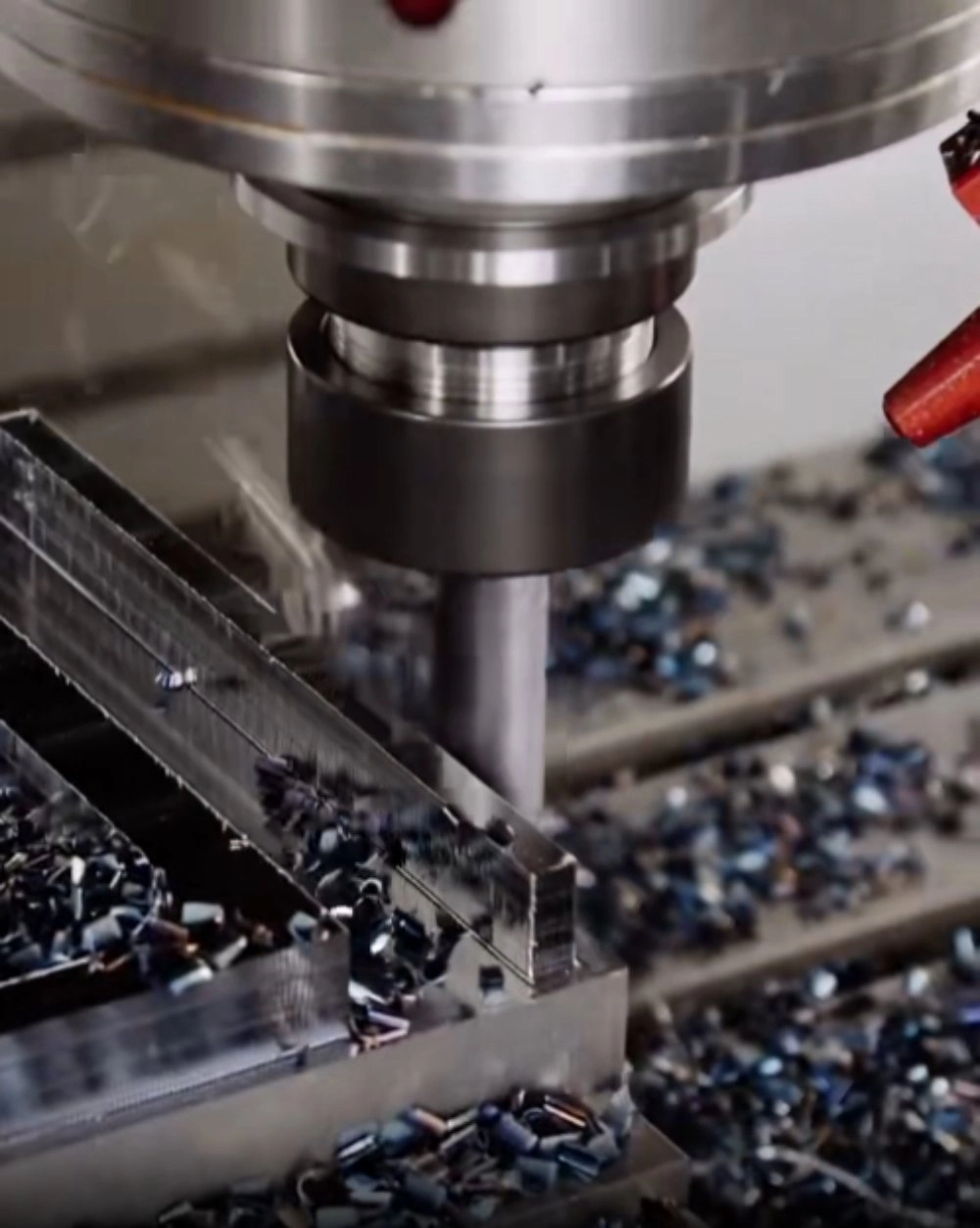
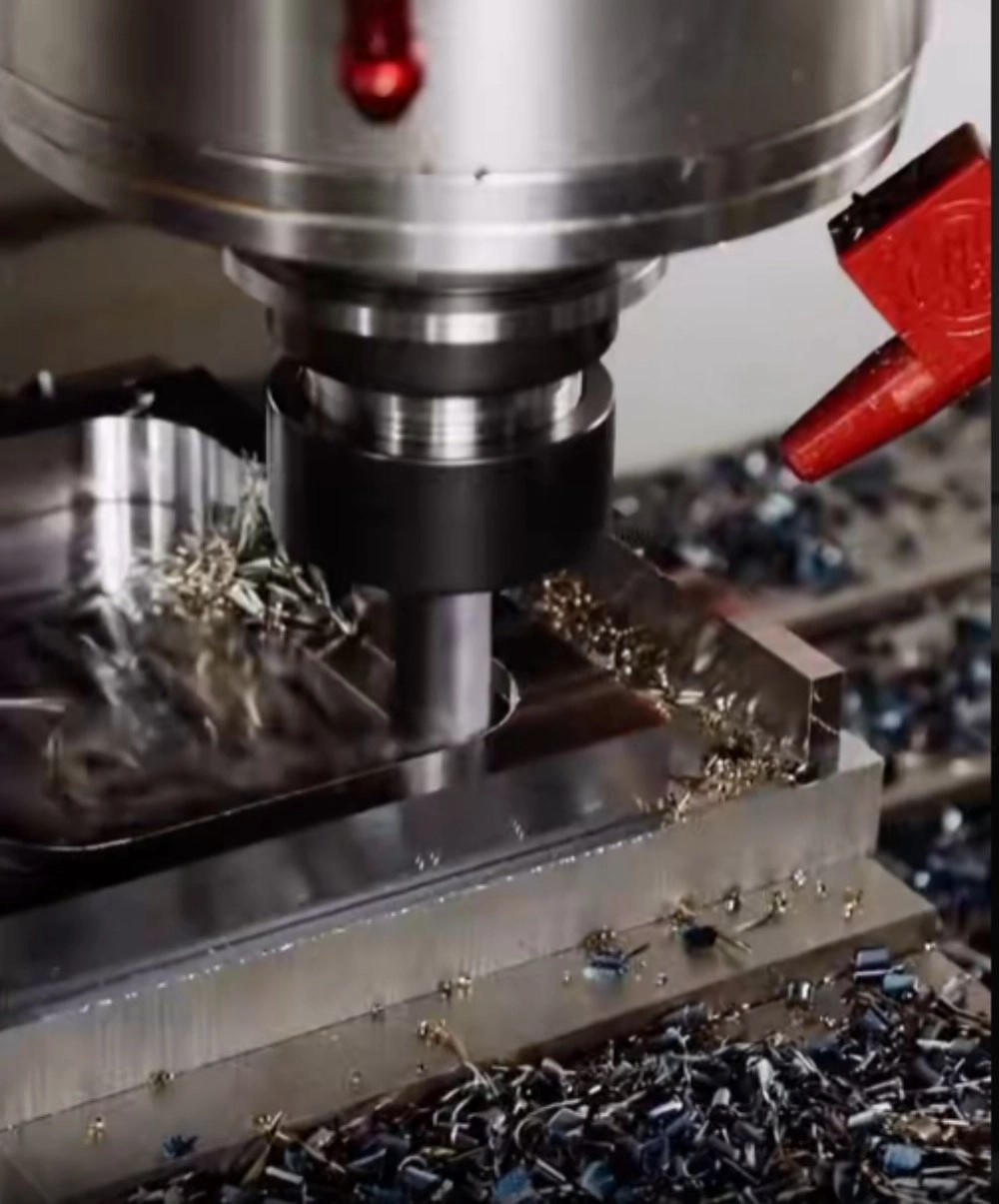
Milling services refer to precision machining processes in which rotating cutting tools remove material from a stationary workpiece to produce parts with specific dimensions, geometries, and surface finishes. Unlike turning, where the workpiece rotates, milling keeps the material fixed while the cutting tool moves along multiple axes.
Today, most industrial milling is performed using Computer Numerical Control (CNC) technology. CNC milling machines follow programmed toolpaths to manufacture parts with exceptional accuracy and consistency, minimizing human error while improving production efficiency.
Depending on the complexity of the component, milling can be performed using 3-axis, 4-axis, or 5-axis machining centers. Multi-axis machining allows manufacturers to create intricate features, deep cavities, angled surfaces, and complex contours in a single setup, reducing production time and improving dimensional accuracy.
Because of its versatility, milling is suitable for producing:
Precision mechanical components
Equipment housings
Structural brackets
Mounting plates
Gear components
Mold and fixture parts
Custom industrial components
Prototype and production parts
The process supports both low-volume custom manufacturing and large-scale production, making it an essential capability across modern manufacturing industries.
Although every project has unique requirements, the milling process generally follows several key stages.
Every machining project begins with a CAD model or engineering drawing. The design defines dimensions, tolerances, material specifications, and functional requirements.
Engineers review the design to ensure it is suitable for machining while identifying opportunities to improve manufacturability and reduce unnecessary production complexity.
The CAD model is converted into machining instructions using Computer-Aided Manufacturing (CAM) software. These programs determine:
Tool selection
Cutting paths
Feed rates
Spindle speeds
Machining sequence
Optimized programming improves machining efficiency while extending tool life and maintaining consistent quality.
Raw material is selected according to the application's mechanical and environmental requirements. Common stock includes aluminum plates, stainless steel bars, carbon steel blocks, titanium billets, brass, copper, engineering plastics, and specialty alloys.
The workpiece is securely clamped before machining begins to prevent movement during cutting.
The CNC milling machine removes material layer by layer using rotating cutting tools. Multiple tools may be used throughout the process for rough machining, semi-finishing, and finishing operations.
Advanced machining centers can automatically change tools during production, reducing setup time while improving efficiency.
After machining, critical dimensions are inspected using precision measuring equipment. Surface quality, hole positions, geometric tolerances, and overall dimensions are verified before components proceed to assembly or shipment.
Consistent inspection ensures every part meets customer specifications and industry standards.
Different part geometries require different milling techniques. Modern CNC machining centers support a wide range of operations.
Face milling creates flat, smooth surfaces by removing material across the top of the workpiece. It is commonly used for preparing reference surfaces and achieving excellent surface finishes.
End milling is one of the most versatile operations. It can produce slots, pockets, shoulders, contours, and complex three-dimensional shapes using end mills of different diameters.
Slot milling creates narrow grooves or channels used for keys, guides, seals, and mechanical assemblies.
Pocket milling removes material inside enclosed areas while leaving surrounding walls intact. This operation is frequently used for lightweight structural components and equipment housings.
Profile milling follows the external contour of a part to produce curved edges, angled surfaces, and complex outlines with high precision.
Modern CNC machining centers often integrate drilling, hole finishing, and thread cutting into a single machining cycle, reducing secondary operations and improving production efficiency.
One of the greatest strengths of CNC milling is its ability to machine a wide variety of materials.
Aluminum offers excellent machinability, corrosion resistance, and a high strength-to-weight ratio. It is widely used in aerospace, automotive, robotics, electronics, and automation equipment.
Stainless steel provides outstanding corrosion resistance and mechanical strength, making it suitable for food processing equipment, medical devices, energy systems, and industrial machinery.
Steel materials deliver excellent structural strength and wear resistance for heavy-duty mechanical components, tooling, and industrial equipment.
Titanium combines lightweight characteristics with exceptional strength and corrosion resistance. Although more difficult to machine, it is widely used in aerospace, defense, and high-performance engineering applications.
These materials provide excellent electrical conductivity and corrosion resistance, making them ideal for electrical connectors, valves, fittings, and precision mechanical components.
Materials such as POM, PTFE, PEEK, Nylon, and ABS can also be machined to produce lightweight, wear-resistant parts for electronics, automation, medical equipment, and semiconductor applications.
Material selection should always consider mechanical performance, operating environment, machining efficiency, and cost-effectiveness.
CNC milling supports a wide range of industries where precision and reliability are essential.
The automotive industry uses precision milling to manufacture engine components, transmission housings, suspension parts, brackets, fixtures, and numerous structural components. Tight tolerances help ensure reliable vehicle performance and assembly consistency.
Aircraft and aerospace equipment require lightweight yet high-strength components manufactured with exceptional precision. CNC milling enables the production of complex structural parts, mounting systems, and critical mechanical assemblies while meeting strict quality requirements.
Rail transportation systems depend on durable, accurately machined components that can withstand demanding operating conditions. Precision milling contributes to the manufacture of structural parts, equipment supports, and specialized railway assemblies.
Semiconductor manufacturing equipment contains numerous precision-machined components requiring tight dimensional control and excellent surface quality. Milling plays an important role in producing frames, racks, fixtures, and equipment components used throughout semiconductor production systems.
Manufacturers of industrial automation systems, wind power equipment, and other advanced machinery rely on CNC milling to produce custom metal components that meet demanding mechanical and operational requirements.
As manufacturing technologies continue to evolve, precision milling remains one of the most reliable processes for producing high-quality components across these diverse industries.
Choosing a professional CNC milling partner is about more than simply outsourcing machining. It is about ensuring every component meets the performance, quality, and delivery expectations of your project. High-quality milling services provide several key advantages that directly impact manufacturing efficiency and product reliability.
Modern CNC milling machines can consistently produce parts with tight tolerances, making them suitable for industries where dimensional accuracy is critical. Once a machining program is validated, identical parts can be manufactured repeatedly with minimal variation, helping manufacturers maintain stable product quality throughout production.
Compared with conventional machining, CNC milling can produce intricate geometries, curved surfaces, deep pockets, and multi-sided features with fewer setups. Multi-axis machining further expands design possibilities by allowing complex parts to be completed in a single operation, reducing repositioning errors and improving overall accuracy.
Professional milling services support a broad range of materials, including aluminum, stainless steel, carbon steel, titanium, copper alloys, and engineering plastics. This flexibility allows manufacturers to choose the most suitable material based on strength, weight, corrosion resistance, and application requirements.
Automated machining, optimized toolpaths, and advanced CNC equipment significantly improve production efficiency. Reduced manual intervention shortens machining cycles while maintaining consistent quality, making CNC milling suitable for both prototype development and batch production.
Proper tooling, machining parameters, and finishing strategies help achieve smooth surface finishes that often reduce the need for secondary processing. This is especially valuable for components requiring precision assembly or aesthetic appearance.
Not all machining suppliers offer the same level of capability. Selecting the right partner can reduce production risks and improve long-term cooperation.
Here are several factors worth considering during supplier evaluation.
An experienced engineering team can identify potential manufacturing challenges before production begins. Design-for-Manufacturing (DFM) suggestions often help simplify machining, reduce production costs, and improve part performance without compromising functionality.
Evaluate whether the supplier has sufficient machining capacity to support your current needs and future growth. Consider factors such as:
Number of CNC machining centers
Multi-axis machining capability
Production scheduling
Prototype and mass production support
Lead time management
A supplier with flexible production resources can better respond to changing project requirements.
Reliable quality control is essential for precision machining. Look for manufacturers that operate under recognized quality management systems and implement inspection throughout the production process rather than relying solely on final inspection.
Inspection equipment, documented procedures, and traceable production records all contribute to more consistent product quality.
Manufacturers serving industries such as automotive, aerospace, rail transit, semiconductor equipment, and energy typically understand higher technical standards and stricter quality requirements. Their experience often translates into better process control and stronger project execution.
Working with a supplier that provides machining, welding, assembly, surface treatment coordination, and export support can simplify supply chain management. Instead of coordinating multiple vendors, customers benefit from a more streamlined production process.
When selecting a machining partner, experience and manufacturing capability are just as important as equipment.
Founded in 2005, Shanghai Hehua Machinery Technology Co., Ltd., together with its subsidiary Hehua Machinery Technology (Kunshan) Co., Ltd., has built extensive expertise in manufacturing key metal components for high-end equipment industries. The company serves customers across automotive, rail transit, aerospace, wind power, nuclear power, industrial machinery, semiconductor packaging and testing equipment, and new energy equipment.
Operating from a manufacturing facility covering more than 17,800 square meters, Hehua employs over 160 professionals and delivers comprehensive services from engineering support and production to export logistics. With independent import and export rights, the company is able to support customers throughout the entire manufacturing process.
Quality is embedded throughout production. Hehua has obtained internationally recognized certifications including:
ISO 9001 Quality Management System
IATF 16949 Automotive Quality Management System
EN 15085 Railway Vehicle Welding Certification
EN ISO 9606-1 Welder Qualification Certification
In addition, the company utilizes an intelligent ERP management system to coordinate project management, production planning, inventory, procurement, quality control, and customer service. This integrated approach helps ensure consistent manufacturing quality and efficient project execution.
Whether customers require prototypes, customized components, or ongoing production, Hehua's engineering team works closely with them to develop practical machining solutions that align with their technical and commercial objectives.
Manufacturers looking for dependable Milling services can benefit from Hehua's combination of engineering expertise, advanced manufacturing capabilities, and comprehensive quality management.
Milling remains one of the most important manufacturing processes in modern industry because of its precision, flexibility, and ability to machine a wide variety of materials. From simple brackets to highly complex structural components, CNC milling supports virtually every stage of product development and mass production.
As industries continue to demand tighter tolerances, shorter development cycles, and higher product reliability, partnering with an experienced machining manufacturer becomes increasingly valuable. Beyond producing parts to specification, the right supplier can provide engineering support, optimize manufacturability, maintain consistent quality, and help streamline the entire production process.
For manufacturers seeking reliable precision machining solutions, professional CNC milling services offer a practical foundation for producing high-quality components that meet today's demanding industrial standards.


 AddressNo. 66 Xingpu Road, Lujia Town,Kunshan City, Factory Buildings 3 and 4
  en
en
 English
 繁体中文
繁体中文 Italian
 Spanish
 Japanese
 Portuguese
 Korean
 Russian
 French
 German
 Estonian
 Arabic
 Indonesian


 Message