Finding the right CNC milling manufacturer is one of the most important decisions in any manufacturing project. Whether you are developing a prototype, sourcing custom components, or managing high-volume production, the capabilities of your machining partner can directly influence product quality, delivery schedules, and overall project success.
While many suppliers offer CNC machining, their expertise, equipment, quality systems, and engineering support can vary significantly. Choosing a manufacturer based solely on price or production capacity may lead to inconsistent quality, communication challenges, or delays that affect your entire supply chain.
Professional Milling services should provide much more than machining alone. A reliable manufacturer becomes a long-term manufacturing partner, offering engineering advice, quality assurance, efficient production, and technical support throughout the product lifecycle.
This guide explains the key factors manufacturers should evaluate when selecting a CNC milling service provider and how to identify a partner capable of meeting demanding industrial requirements.
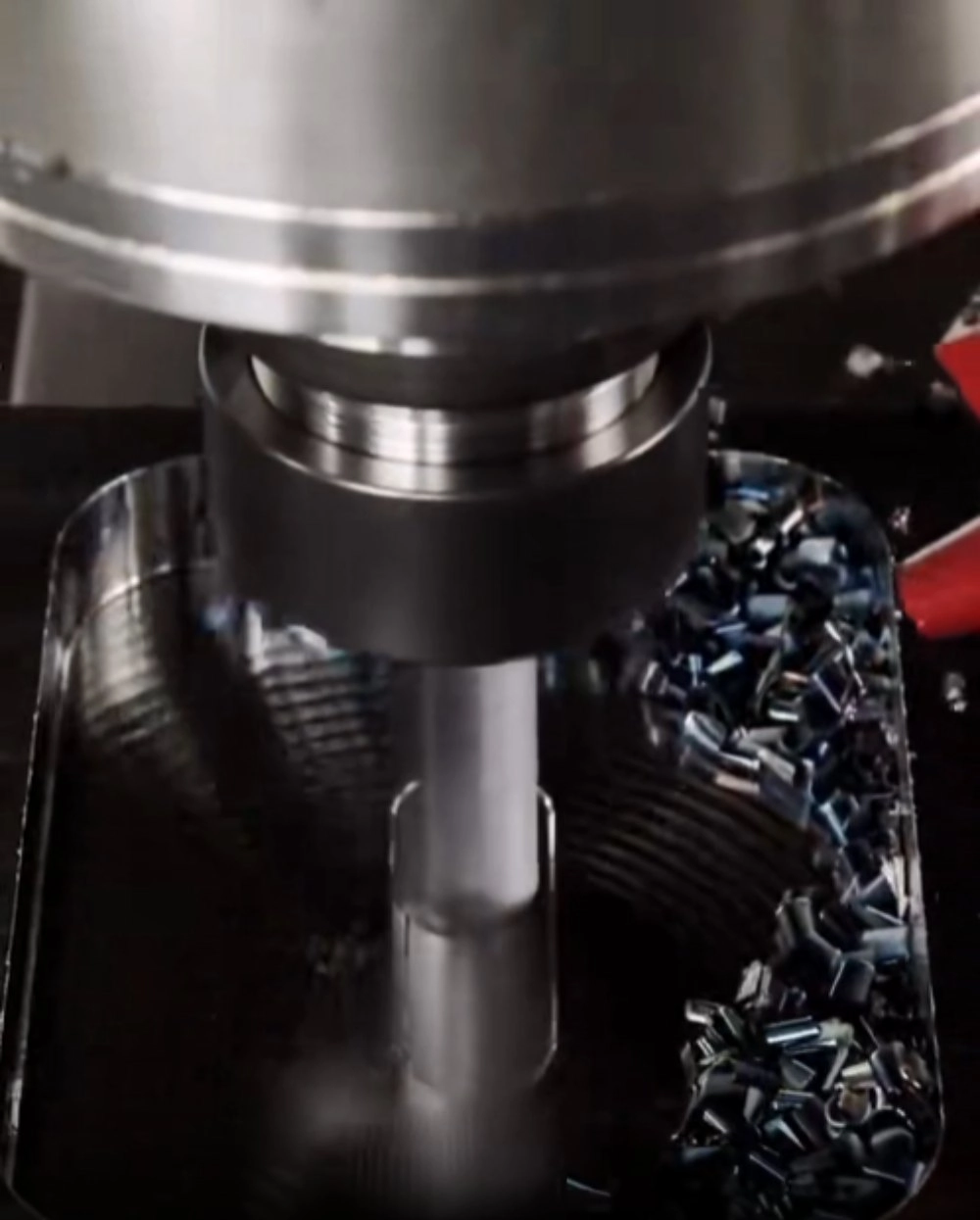
Precision-machined components are widely used in industries such as automotive, aerospace, rail transportation, industrial machinery, semiconductor equipment, renewable energy, and automation systems. In these sectors, even minor dimensional deviations or inconsistent machining quality can affect assembly accuracy, equipment performance, and product reliability.
An experienced CNC milling manufacturer contributes far more than producing parts according to drawings. The right supplier helps customers by:
Improving manufacturability through engineering recommendations
Maintaining consistent dimensional accuracy
Optimizing machining processes for greater efficiency
Supporting both prototype and production requirements
Reducing manufacturing risks
Delivering stable product quality over the long term
A dependable supplier can also shorten product development cycles by identifying potential issues before production begins, helping customers avoid unnecessary redesigns and production delays.
One of the first indicators of a reliable CNC milling supplier is industry experience.
Manufacturing components for different industries requires different levels of technical expertise. For example, aerospace components often demand lightweight materials and extremely tight tolerances, while automotive parts require stable batch production and strict quality control. Semiconductor equipment may require precision-machined frames with excellent surface finishes and dimensional consistency.
A manufacturer with experience across multiple industries is generally better equipped to solve complex machining challenges.
When evaluating a supplier, consider questions such as:
l How many years has the company been operating?
l Which industries does it primarily serve?
l Does it have experience machining similar components?
l Can it handle both simple and highly complex parts?
Long-term experience usually reflects mature manufacturing processes, stronger technical knowledge, and better production management.
Advanced machining equipment is essential for producing precision parts efficiently and consistently.
Different components require different machining capabilities. Some parts may only require standard 3-axis machining, while others involve multiple angled surfaces, deep cavities, or complex geometries that benefit from 4-axis or 5-axis machining.
A capable CNC milling manufacturer should possess equipment that matches the complexity of customer requirements.
Key capabilities to evaluate include:
Multi-axis machining reduces the number of setups needed during production. Fewer setups improve dimensional accuracy while reducing production time and minimizing positioning errors.
Modern CNC machining centers provide better repeatability, higher spindle speeds, automatic tool changing, and improved machining stability, all of which contribute to higher-quality finished parts.
An ideal supplier should be able to support projects throughout the product lifecycle—from prototype validation and small-batch production to full-scale manufacturing.
This flexibility allows customers to continue working with the same manufacturing partner as production volumes increase.
Different materials require different machining strategies, cutting parameters, and tooling.
A manufacturer experienced in machining multiple materials is better prepared to deliver consistent quality while reducing machining risks.
Common materials processed by professional CNC milling manufacturers include:
Aluminum offers excellent machinability and a high strength-to-weight ratio, making it ideal for aerospace, robotics, automation equipment, and electronic enclosures.
Stainless steel provides excellent corrosion resistance and mechanical strength but requires proper cutting tools and machining parameters to achieve high-quality results.
These materials are commonly used for heavy-duty industrial equipment, machinery components, and structural applications where strength and durability are essential.
Titanium is widely used in aerospace and high-performance engineering because of its exceptional strength and corrosion resistance. However, it requires advanced machining expertise due to its lower thermal conductivity and higher cutting resistance.
Electrical components, semiconductor equipment, and precision mechanical assemblies frequently utilize copper alloys, brass, POM, PTFE, PEEK, Nylon, and other engineering plastics.
Manufacturers capable of machining diverse materials are often more adaptable when customer projects evolve.
Machining quality begins long before the first cutting tool touches the material.
A reliable CNC milling manufacturer should have an experienced engineering team capable of reviewing drawings, identifying manufacturing challenges, and recommending practical improvements.
This engineering support is especially valuable during new product development.
A Design for Manufacturability review helps identify features that may increase machining complexity or production costs without adding functional value.
For example, engineers may recommend:
Optimizing corner radii for standard tooling
Reducing unnecessarily tight tolerances
Improving hole accessibility
Simplifying complex geometries
Selecting materials that balance performance and machinability
These suggestions can improve production efficiency while maintaining product performance.
Experienced manufacturers develop machining strategies before production begins. Proper process planning includes selecting suitable machining sequences, tooling, fixturing methods, and inspection procedures to ensure stable quality throughout manufacturing.
Open communication between engineering teams reduces misunderstandings and accelerates project progress. Manufacturers that provide prompt technical feedback are often better equipped to support design revisions, urgent production changes, and ongoing product improvements.
Selecting a CNC milling partner with strong engineering capabilities ensures that manufacturing decisions are based not only on machining experience but also on practical problem-solving and long-term production efficiency.
Consistent quality is one of the defining characteristics of a reliable CNC milling manufacturer. Even with advanced equipment, poor process control can result in dimensional deviations, surface defects, or inconsistent performance across production batches.
When evaluating a supplier, look beyond the finished product and understand how quality is managed throughout the manufacturing process.
A well-established manufacturer should implement inspection procedures from raw material verification to final shipment. Typical quality checkpoints include:
Incoming material inspection
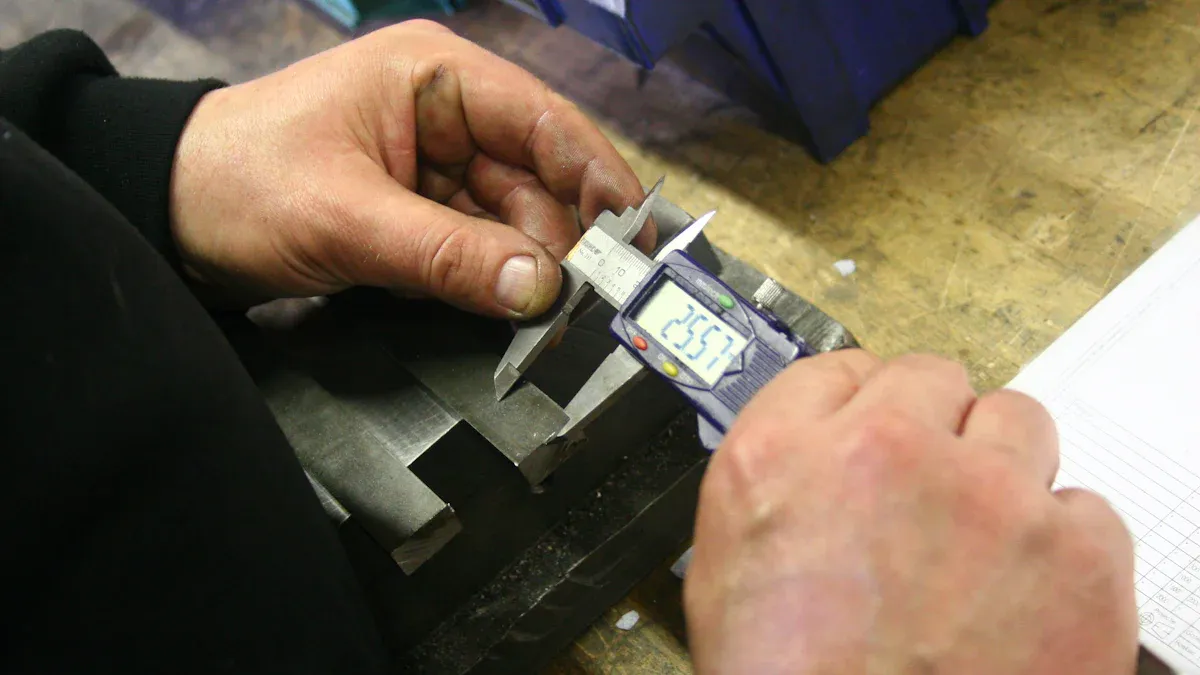
First article inspection (FAI)
In-process dimensional inspection
Final quality inspection
Packaging and shipment verification
This systematic approach helps identify potential issues early, reducing rework and ensuring that every component meets customer specifications.
Industry-recognized certifications demonstrate that a manufacturer follows standardized management systems and continuously improves its processes.
Depending on your application, valuable certifications may include:
ISO 9001 for quality management
IATF 16949 for automotive manufacturing
EN 15085 for railway vehicle welding
Industry-specific qualifications related to aerospace, energy, or heavy equipment
While certifications alone do not guarantee excellent products, they indicate that the manufacturer has established structured quality management procedures.
Reliable production is not only about machining accuracy but also about delivering the right parts at the right time.
Before choosing a supplier, assess whether the manufacturer has the resources to support your current project as well as future production growth.
Important considerations include:
A supplier with adequate workshop space, modern equipment, and experienced personnel is generally better equipped to manage multiple projects simultaneously while maintaining consistent quality.
Production requirements often change during product development. A capable manufacturer should be able to support:
Prototype machining
Small-batch production
Medium-volume manufacturing
Long-term mass production
This flexibility reduces the need to change suppliers as projects evolve.
Reliable sourcing of raw materials, cutting tools, and supporting services helps minimize production interruptions and improves delivery consistency.
Technical capability is only part of a successful manufacturing partnership. Effective communication is equally important, especially when working with overseas suppliers.
A responsive manufacturer should be able to:
Answer technical questions promptly
Review engineering drawings efficiently
Provide manufacturing feedback before production
Keep customers informed about project progress
Resolve issues quickly when design changes occur
For international customers, experience in export operations is another significant advantage. Manufacturers with independent import and export rights are generally more familiar with international documentation, logistics coordination, and shipping procedures, helping projects move more smoothly from production to delivery.
Selecting a machining partner involves evaluating both technical capabilities and long-term reliability. With nearly two decades of manufacturing experience, Shanghai Hehua Machinery Technology Co., Ltd. has developed comprehensive expertise in producing precision metal components for demanding industrial applications.
Established in 2005, with Hehua Machinery Technology (Kunshan) Co., Ltd. founded in 2018, the company serves customers in industries including:
Automotive
Rail transit
Aerospace
Wind power
Nuclear power
Industrial machinery
Semiconductor packaging and testing equipment
New energy equipment
Operating from a manufacturing facility covering more than 17,800 square meters, Hehua employs over 160 professionals and supports customers with integrated services ranging from engineering and manufacturing to export logistics.
The company maintains internationally recognized management systems, including:
ISO 9001 Quality Management System Certification
IATF 16949 Automotive Quality Management System Certification
EN 15085 Rail Vehicle and Components Welding Certification
EN ISO 9606-1 Welder Qualification Certification
Beyond manufacturing capacity, Hehua places strong emphasis on project management. Its professional engineering team supports customers throughout the entire development process—from design review and process planning to production and final delivery.
To improve operational efficiency, the company utilizes the Zhibang International ERP intelligent management system, integrating project management, production scheduling, inventory control, procurement, finance, and customer service into a unified workflow. This digital management approach helps ensure traceability, production efficiency, and consistent product quality.
For manufacturers seeking dependableMilling services, Hehua combines engineering expertise, modern manufacturing capabilities, and rigorous quality management to support both customized projects and long-term production programs.
Choosing a CNC milling services manufacturer should never be based on price alone. A reliable supplier contributes value throughout the entire manufacturing process—from design optimization and material selection to precision machining, quality assurance, and on-time delivery.
When evaluating potential partners, consider their industry experience, machining capabilities, engineering support, quality management systems, production capacity, and communication efficiency. These factors play a significant role in ensuring consistent product quality and building a resilient supply chain.
As manufacturing requirements continue to evolve, working with an experienced and technically capable partner can help reduce production risks, improve operational efficiency, and accelerate product development. Investing time in selecting the right CNC milling manufacturer today can lead to stronger partnerships and more successful projects in the future.



 AddressNo. 66 Xingpu Road, Lujia Town,Kunshan City, Factory Buildings 3 and 4
  en
en
 English
 繁体中文
繁体中文 Italian
 Spanish
 Japanese
 Portuguese
 Korean
 Russian
 French
 German
 Estonian
 Arabic
 Indonesian


 Message