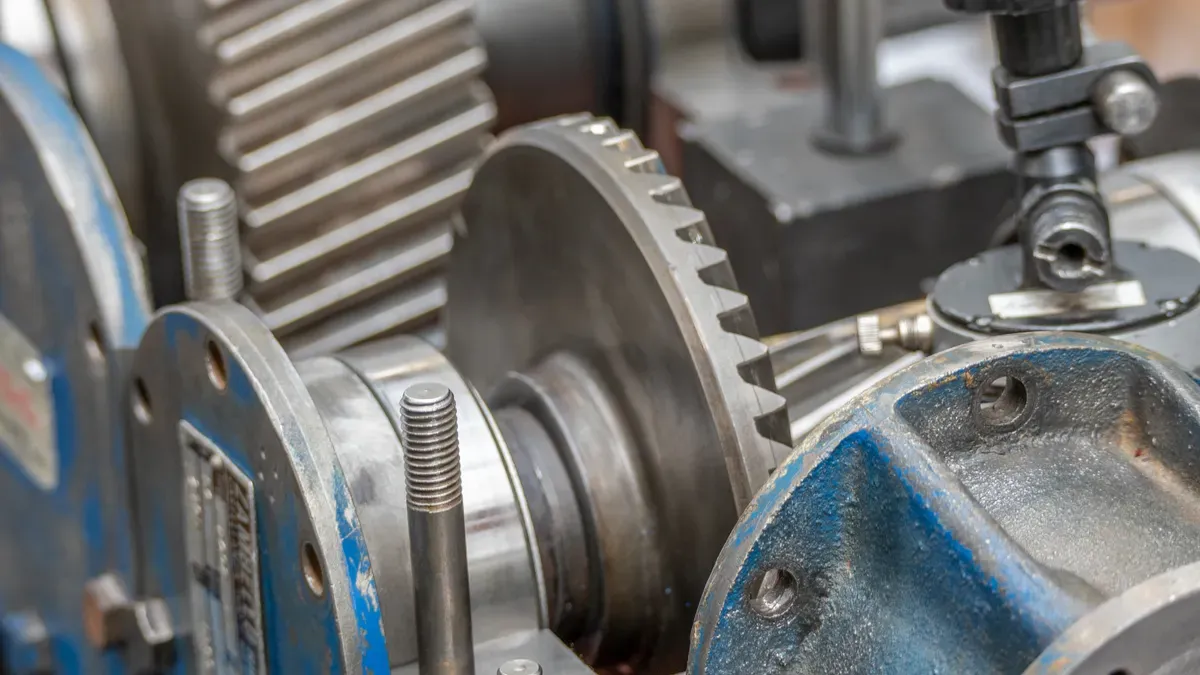
You need a trusted Chinese manufacturer for custom components, not just the lowest bid. The wrong supplier brings delays, rework, and failed inspections. The right one delivers reliable parts, fair pricing, and smooth teamwork.
China has thousands of metal forming shops. Only some earn trust through proven skills, strict quality control, and real engineering support. This article shows you how to tell them apart, using Hehua Machinery Technology as a real example.
You will learn which signs matter: process depth, inspection discipline, communication speed, and scalability. That framework helps you check any supplier in China before you commit your project. Metal forming demands precision at every step. Choose a partner who treats it that way.
A trustworthy Chinese manufacturer provides on-site engineering and tooling to save you time and money.
Strong quality certifications like IATF16949 and inspection records make sure parts stay consistent.
Begin with a design review and prototyping to find problems before full production.
One-stop service from design to delivery reduces coordination and makes delivery faster.
Fast replies and the ability to grow show a dependable partner for your project.
Metal forming processes take flat sheet metal and shape it into exact parts for many industries. You probably need parts made by stamping, bending, deep drawing, or roll forming. Stamping cuts and shapes metal with one die stroke. Bending makes angles, brackets, and channels. Deep drawing changes flat blanks into enclosures or housings. Roll forming makes long parts with the same cross-section. Each method works with certain material types and thicknesses. The right process affects your part quality, how fast you can make them, and the final cost. China leads the global industry for clear reasons. When you choose china metal stamping for your project, you get mature supply chains and skilled workers.
Progressive die stamping makes high-volume production fast and efficient. One die does many steps as the metal coil moves through each station. The material goes through cutting, bending, and drawing stages in order. The part comes out fully shaped at the last station. You get complex shapes with tight tolerances. This method uses material well and cuts waste. Manufacturing partners like Hehua focus on progressive die stamping and sheet metal fabrication.
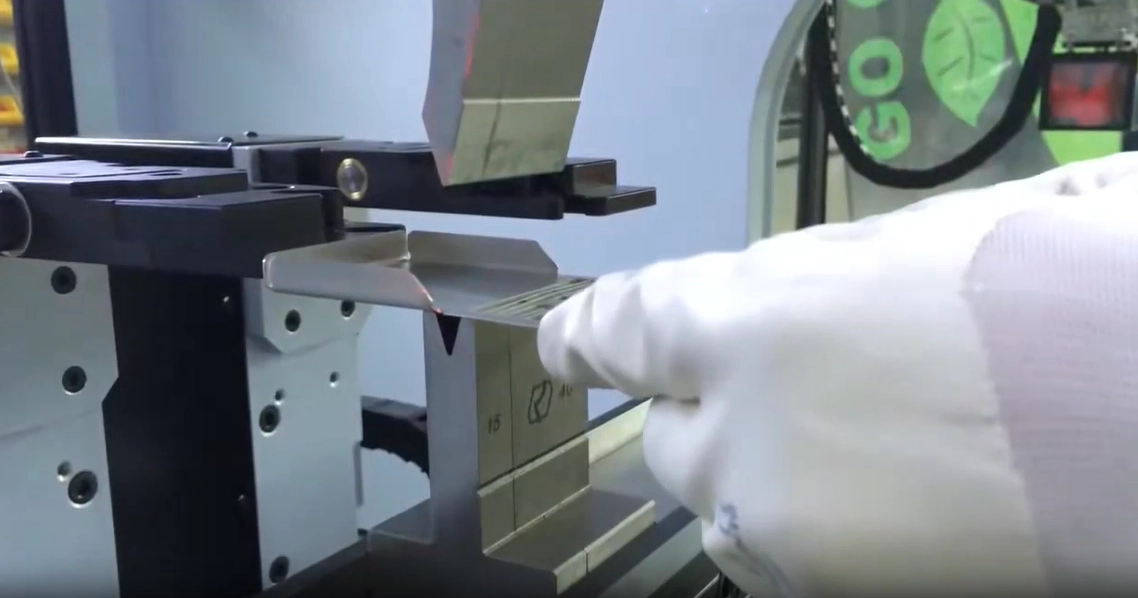
Bending and deep drawing handle different shapes. Bending makes flanges and enclosures by bending metal along a straight line. Deep drawing makes smooth three‑dimensional shapes like motor housings and battery casings. Roll forming works best for long parts with steady cross‑sections, like rail parts. Each process needs special tools and design rules. You need a partner who understands these details for every sheet metal fabrication project.
China's metal forming sector gives global buyers strong advantages. The supply chain is mature and fully connected. You can get materials locally and cut lead times a lot. High production efficiency lets factories handle both prototypes and large runs. Lower labor costs from automation keep per‑part prices competitive. Skill in sheet metal fabrication gives consistent results every time. These reasons make china metal stamping a smart choice for your production needs.
You also get strong technical skill and logistics help. Chinese engineers handle custom designs from CAD drawings and follow international standards. The export‑focused sector keeps strong logistics networks for on‑time global delivery. Hehua's sheet metal fabrication handles complex shapes with precision. When you choose china metal stamping, you get integrated manufacturing from one supplier. Global buyers always use china metal stamping for their projects. This consolidation cuts coordination work and makes your buying process simpler.
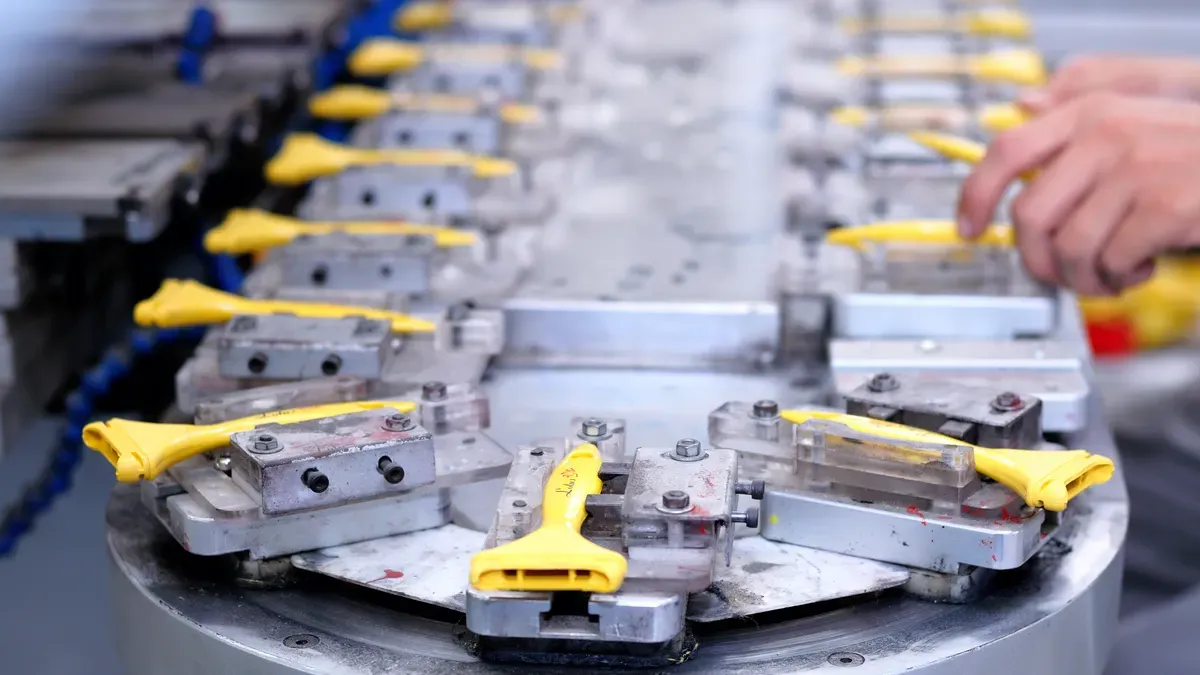
Progressive die stamping is Hehua's main skill. You feed a coil of metal strip into one die that has many stations. Each station does one or more jobs like punching, bending, or coining. The part stays connected to the strip as it moves through the die. At the last station, the finished part is cut from the strip.
This method gives sub-micron precision for your custom parts.
Sub-micron precision meeting tolerances of +/- .0005"
You get high-volume parts with tight tolerances and complex shapes. China metal stamping shops like Hehua use this method for both prototypes and large runs. The same tools work for making samples and full production. That saves you time and money over the whole project.
Progressive die stamping gives high speed, low labor, little scrap, great repeatability, and low cost per part. This is because of automation and continuous strip feeding. But it has limited operations (like threading needs extra steps) and higher starting tooling costs.
Aspect | Progressive Die Stamping | Transfer Die Stamping |
|---|---|---|
Production speed | Very high (up to 1,000 strokes/min) | Generally slower; setup and cycle times longer |
Part size & complexity | Ideal for small to medium parts with intricate features | Better for large, simpler parts |
Production volume | Most economical for very high volumes (e.g., >1M parts/year) | Cost-effective for lower quantities |
Secondary operations | Often requires separate steps for features like threading | Can incorporate secondary processes in-line |
Material utilization | Minimal scrap due to optimized strip layout | More flexibility but may produce more waste |
You get efficient use of materials and shorter lead times. China metal stamping makers provide cost-effective production for prototypes and large runs. Hehua's metal stamping abilities cover many materials and thicknesses. Your sheet metal projects gain from fast prototyping through full production. China metal stamping partners like Hehua handle complex shapes easily. You get reliable parts, fair prices, and smooth teamwork. China metal stamping is still the smart choice for high-volume custom parts.
Hehua Machinery Technology (Kunshan) Co., Ltd. runs a factory in Kunshan, China. It covers 38,666 m² of land, 28,321 m² of buildings, and 9,700 m² of plant space. This size lets it handle serious metal stamping and sheet metal work. You get a partner built for large amounts, not a tiny workshop.
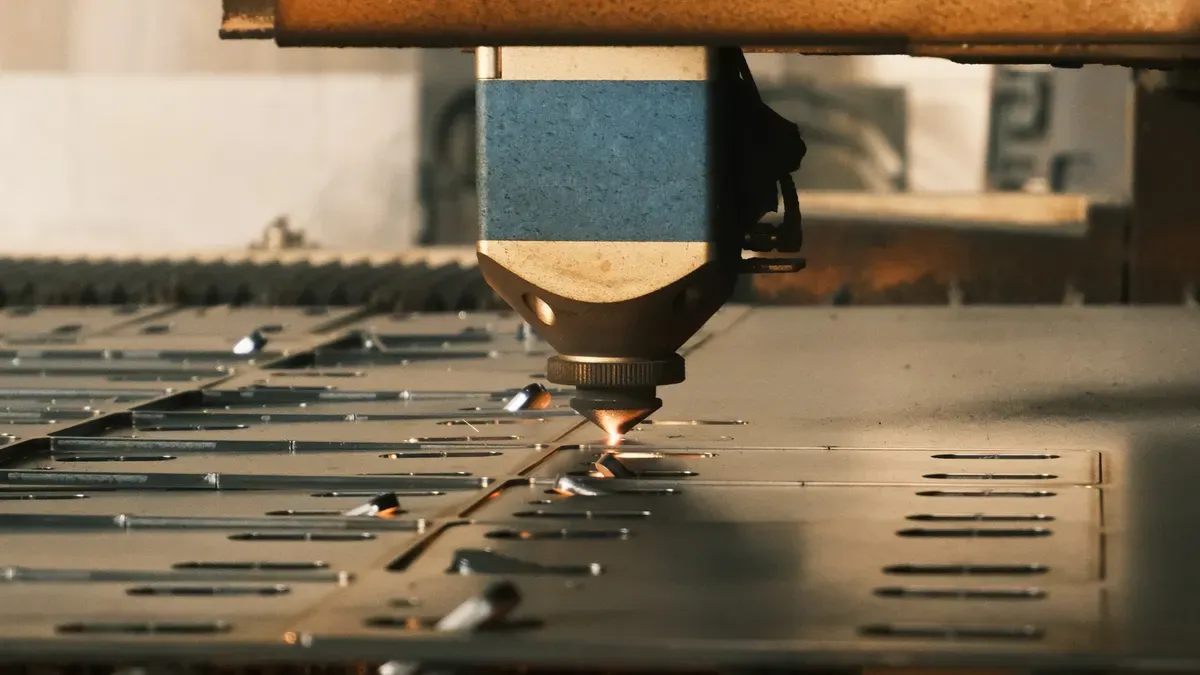
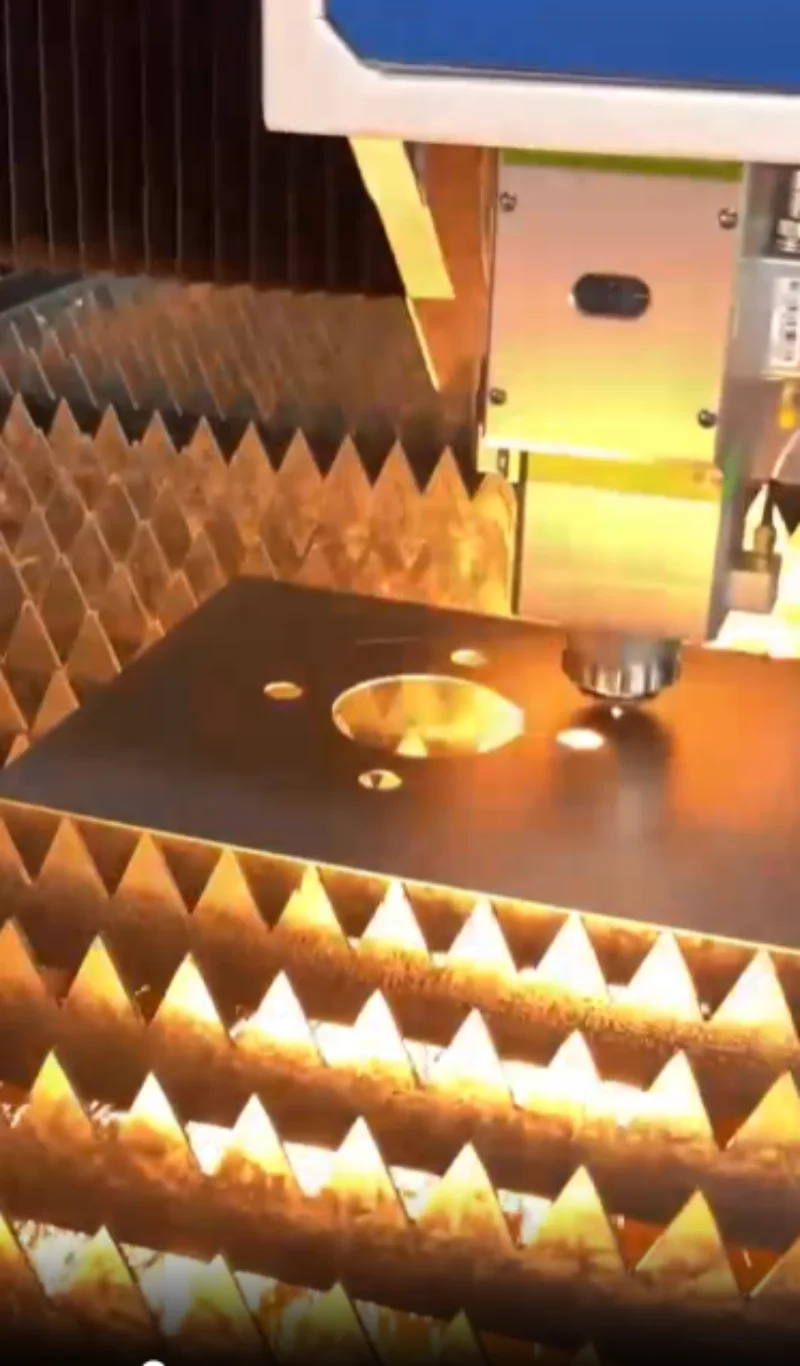
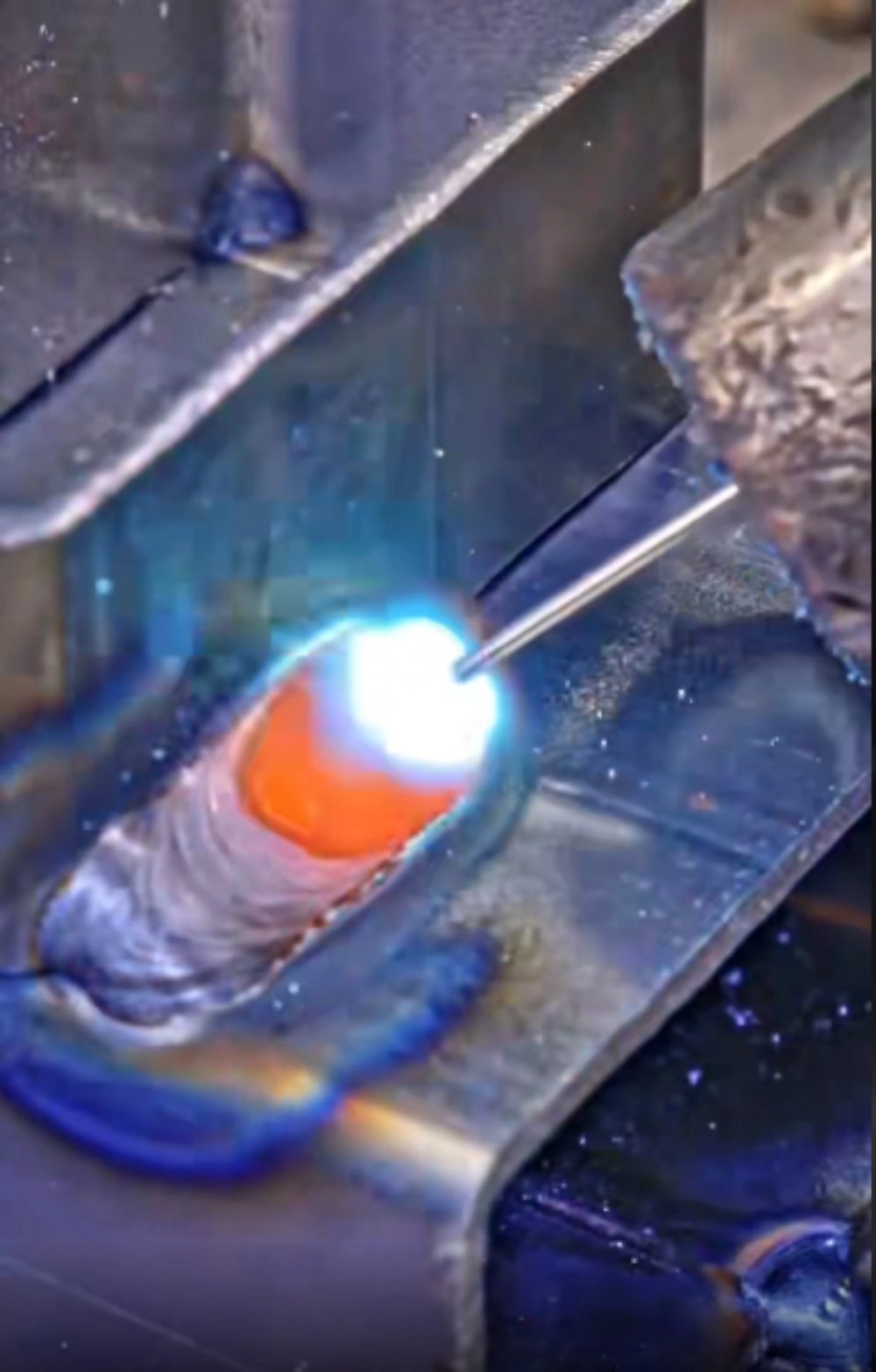
The equipment list shows what Hehua can do. You will find gantry milling, laser cutting, bending machines, shearing machines, and punching machines from 8T to 200T. CNC machining centers, CNC lathes, milling machines, wire‑electrode cutting, grinding, drilling, and threading machines fill the metal shop. Welding stations include argon welders, gas shielded welding machines, spot welders, and squeeze riveters. A laser marking machine marks parts.
This range lets them make molds and fixtures inside their own shop. You do not need to send tools to outside vendors. That control protects your precision and your schedule. Hehua works with many materials and thicknesses. Your custom parts go from prototype to full production without changing suppliers.
Hehua holds IATF16949, ISO9001, and ISO14001 certifications. The team also has EN 15085 for railway welding, IWE credentials, ISO 9606‑1 welder qualification, and non‑destructive testing certifications for ultrasonic, penetrant, magnetic particle, and visual testing. WPQR records, many patents, High Tech Enterprise status, and High Growth Enterprise designation show a real commitment to quality. Awards from ABB and MESSRING prove global clients trust this metal stamping maker with important work.
Hehua supports fast prototyping and full‑scale output under one roof. You send your drawings, and the engineering team checks them for how easy they are to make. They design tooling, build fixtures, and run prototypes. Once you approve the samples, the same processes scale up to mass production. This one‑stop approach cuts handoffs and delays.
Global clients in automotive, rail transit, aerospace, wind power, nuclear power, industrial machinery, semiconductor equipment, and new energy rely on Hehua. A team from TORSUS, a Slovakia‑based heavy‑duty off‑road bus maker, visited the Kunshan site to plan long‑term cooperation. That visit shows the supplier relationships Hehua builds.
Rail transit enclosures and aerospace parts need strict safety rules. Semiconductor equipment racks and wind turbine parts cannot fail. Hehua delivers exact size, surface finish, edge quality, and batch consistency. Your quality checks gain from written records at every step.
When you look for a trusted Chinese manufacturer, find this mix: in‑house tooling, broad equipment, certified quality control, and proven ability to scale. Hehua shows all four. The company works as a metal stamping maker for custom parts in demanding industries. That record makes the supplier choice easier.
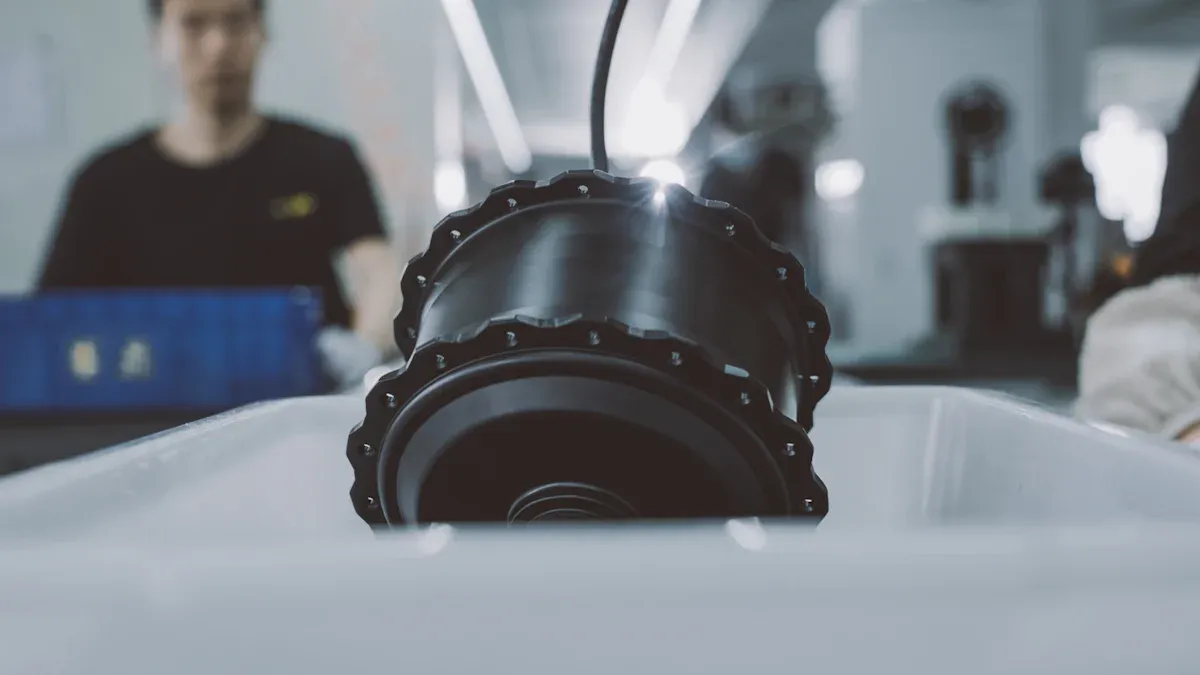
Hehua adds quality checks at every step of metal stamping. The company has ISO9001 certification for its quality management system. For automotive work, Hehua passed IATF16949 in 2018. Rail transit projects follow EN 15085 welding standards. These certifications show a real promise to keep quality the same every time.
Before full production starts, the team does a First Article Inspection. They use CMM tools to check every measurement against your drawings. During production, workers measure parts at set times. Gauges and CMM machines catch changes before they cause issues. Final inspection makes sure each batch meets the specs. Full dimension reports go with every order.
Hehua keeps a defect rate of 50 PPM or less for custom metal formed parts. Robot and visual feeding systems help them do this. Automatic roll change cuts down on setup mistakes. Online inspection checks size, pressure curves, and leaks. These systems keep quality tight during long production runs.
In-house or third-party inspection is done; skilled QC checks all products. Material test reports and salt spray results are available for tracking.
An SGS audit checked Hehua's quality systems. The verification ID QIP-ASR254244 is on the SGS website. This third-party check gives you independent proof of the company's quality control.
Traceability starts with checking materials as they come in. Hehua looks at material certificates, mill test reports, and heat numbers before metal goes into production. This step makes sure your parts come from known, tested stock. If a problem shows up later, the team can trace it back to the source.
Real-time statistical process control (SPC) watches key sizes during making. Temperature-controlled rooms keep precision metal parts from changing size. Calibration records for all gauges and CMM tools stay current. These steps stop defects before they happen, rather than find them after.
Hehua gives a 100% quality guarantee. Any part that does not meet the specs is remade or refunded. This policy removes risk from your order. You get precise parts without worrying about rejected batches.
Proactive DFM feedback during quoting finds possible issues early. The engineering team checks your drawings to see if they are easy to make. They point out tight tolerances or features that could cause trouble. This feedback saves time and avoids costly tooling changes later.
Quality steps and full traceability documents come with every shipment. You get inspection reports, material certificates, and calibration records. These papers help your own quality checks and meet customer needs. For any making project, this level of paperwork builds real trust.
Begin by checking how deep your Chinese metal forming supplier's engineering skills go. Ask for free DFM feedback on your drawings early on. A good team will look at your part's shape and suggest ways to make it more precise. This shows if the shop solves problems or just stamps metal. Look for partners who give helpful ideas on materials and tooling design. This kind of engineering skill proves they really know your custom metal formed part. Strong process coverage is just as important for your project to succeed. The right manufacturing partner can do metal stamping, tooling design, prototyping, and production all in one place. That way, you avoid coordination problems completely. Set clear rules for judging before you compare quotes. Must-have standards like ISO certification rule out suppliers who can't meet basic quality levels. Using a weighted score for technology, service, and delivery helps you compare fairly. Write down your final choice so everything is clear.
How well a supplier communicates decides how smooth your project goes. Send a technical question during your work hours. Check how fast and accurate their reply is. The supplier should answer within 24 to 48 hours with correct details and good technical information. Good prototyping skills make it easier to scale up from early samples. Test how well they handle design changes during the quoting stage. After a change, their new quote should come back in the same time frame. A team of engineers, programmers, and QC reviewers should look at your request together. Tracking changes digitally with timestamps keeps everyone on the same page.
Scaling from prototypes to full production shows what a supplier can really do. Use rapid prototyping to test your metal part design before you spend money on hard tooling. The same process settings carry prototypes into mass production without changes. This lowers risk and speeds up timelines a lot. You can reach high precision standards through this steady manufacturing approach.
Watch for warning signs in early talks. A supplier who won't share documents or factory details often has something to hide. Ask for their business license, certifications, and client references for similar jobs. Request samples from past work. If they resist a factory audit, that's a bad sign right away. Keep checking performance to stop quality from slipping over the course of your partnership. Re-inspect shipments from time to time and stick to the standards you agreed on.
Hehua makes custom OEM metal parts for many demanding industries. Your project can benefit from their know-how in new energy automobiles, high voltage motors, electronics, rail transit, and mechanical equipment. This focus means your manufacturing partner understands what your project needs.
The new energy automobile sector needs high-volume precision parts. Hehua makes battery casings and motor housings with progressive die stamping. This sheet metal fabrication method gives tight tolerances for safety-critical systems.
Rail transit and high voltage motor applications follow strict safety rules. Hehua holds EN 15085 certification for railway welding. They make enclosures and brackets that meet these exact standards. Their facility handles many materials and thicknesses for these demanding metal projects.
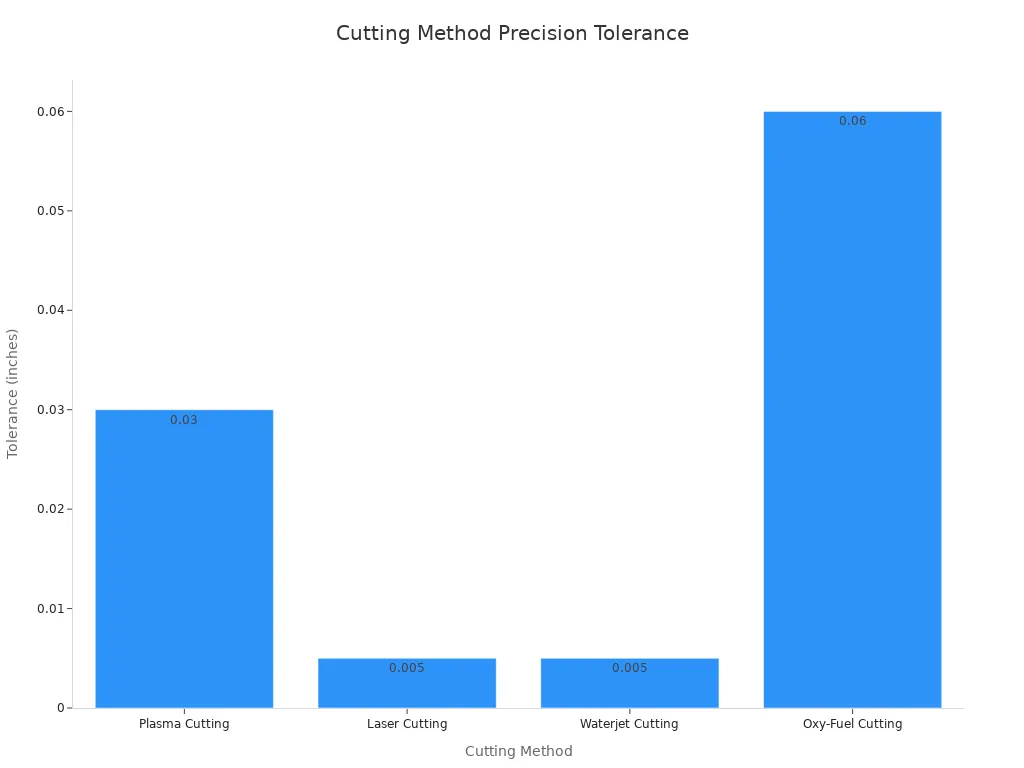
Electronics and mechanical equipment parts often need complex shapes. Hehua uses laser cutting for fine details, achieving high precision on metal materials. Plasma cutting handles thicker materials. Waterjet cutting works for heat-sensitive metal materials, maintaining precision.
Match your sheet metal fabrication project needs to the right supplier with a clear process.
First, define your part specifications and production volumes. Outline the dimensions, tolerances, and complexity. Identify if you need a prototype or high-volume production. Second, figure out the required processes. Your project may need cutting, stamping, bending, or welding. Hehua provides these sheet metal fabrication services together.
Third, think about your metal material needs. Specify the material type. Hehua sources steel, stainless steel, and aluminum reliably. Fourth, evaluate the metal fabrication equipment. Laser cutting suits precision parts. Plasma cutting handles thicker components. Waterjet cutting works for heat-sensitive designs.
Fifth, review the quality systems. Hehua holds IATF 16949 and ISO 9001 certifications. They provide full material traceability. Sixth, assess their communication. A trustworthy partner explains their recommended approach clearly.
Ask direct questions during your evaluation. Which material performs best for my application? Which manufacturing process is optimal? Can you comply with relevant regulations? When can I schedule a facility visit?
Hehua's focus on these industries gives you a strategic advantage. Their skill in custom fabrication means your metal parts meet the highest standards. They manage your project from design through delivery. This one-stop approach ensures consistent quality for your custom metal components. It makes them a reliable partner for your manufacturing needs.
Your custom metal parts cost less when one manufacturer handles the whole process. A few cost factors directly change your final price for each part. The table below shows how design choices and in-house skills lower your costs.
Cost Driver | Cost Impact | How In-House Capability Reduces Expense |
|---|---|---|
Over-specified tolerances | Tighter tolerances significantly increase cost | Using standard tolerances reduces cost |
Non-standard material gauges | Special orders add extra cost and lead time | Using standard gauges from stock lowers material cost |
Complex nesting geometry | Odd shapes waste material | Rectangular shapes use material best, lowering part cost |
Non-standard bend radii | Requires custom tooling | Standard press brake tooling makes inside bend radius ≈ material thickness |
Premium material selection | Stainless steel costs more per pound | Carbon steel with powder coating is less expensive where suitable |
Material use starts at the design stage. Your engineering team checks part shapes to fit them well on the metal coil. This method cuts scrap by a lot. In-house tooling removes the extra fees from outside die shops. Shorter lead times come naturally when tooling and production share one roof. You skip the back-and-forth that slows outside suppliers.
Good manufacturing DFM significantly cuts costs without hurting how the part works. Tolerance optimization saves substantial costs in precision work. Costs rise sharply as tolerances get tighter than standard limits. Standard tooling lowers both starting costs and long-term upkeep.
One-stop manufacturing covers every step with a single partner. You begin with a DFM review of your drawings. The engineering team gives feedback on material choice and bend radii. This feedback helps you improve the design before you spend on tooling.
After design approval, Hehua builds the tooling in-house. You get fast prototyping for sample parts before you commit to full production. This prototyping step proves the design and tooling without delays. Once you approve prototypes, the same setup grows into production.
The prototyping phase lets you test many versions quickly. Your prototypes arrive with the same process settings. These prototypes match your approved drawings exactly. Your prototypes confirm specs before full runs start.
Final metal parts get surface treatment and packaging. Hehua sends finished components to your facility. The process links metal stamping, bending, finishing, and assembly into one flow. This sheet metal fabrication method keeps quality the same across every batch. Hehua's metal forming skill tightens tolerances on every run. This sheet metal fabrication ability cuts coordination and speeds delivery.
A trusted Chinese manufacturer like Hehua gives you a real advantage. You get progressive die skills, written quality control, and true engineering help. Clear communication and one-stop service keep your project moving. These trust signs matter more than a cheap price.
Hehua works with clients all over China with dependable metal forming and stamping. You can ask for a quote, share drawings for DFM review, or plan a factory audit. This supplier in China delivers custom parts you can count on. Take the next step when you are ready.
Lead times depend on how complex the tooling is and how many parts you order. Making tools and prototypes in-house shortens the timeline. Hehua handles design, stamping, and finishing all in one place. This setup removes delays from outside vendors. You get faster delivery for both sample runs and mass production.
Look for ISO9001 and IATF16949 for automotive work. Rail projects need EN 15085 welding certification. Hehua holds all three. These certificates prove a supplier follows written quality systems. You gain confidence that every batch meets your specifications.
Capable suppliers work with steel, stainless steel, and aluminum across many gauges. Hehua's equipment ranges from 8T to 200T punching machines. Laser cutting achieves high precision on a variety of material thicknesses. This range covers most custom component needs.
A strong partner uses the same process settings for prototypes and mass runs. You approve samples first, then scale up without changing suppliers. Hehua supports this one-stop approach. Your sheet metal fabrication project moves smoothly from design review to final delivery.


 AddressNo. 66 Xingpu Road, Lujia Town,Kunshan City, Factory Buildings 3 and 4
  en
en
 English
 繁体中文
繁体中文 Italian
 Spanish
 Japanese
 Portuguese
 Korean
 Russian
 French
 German
 Estonian
 Arabic
 Indonesian


 Message