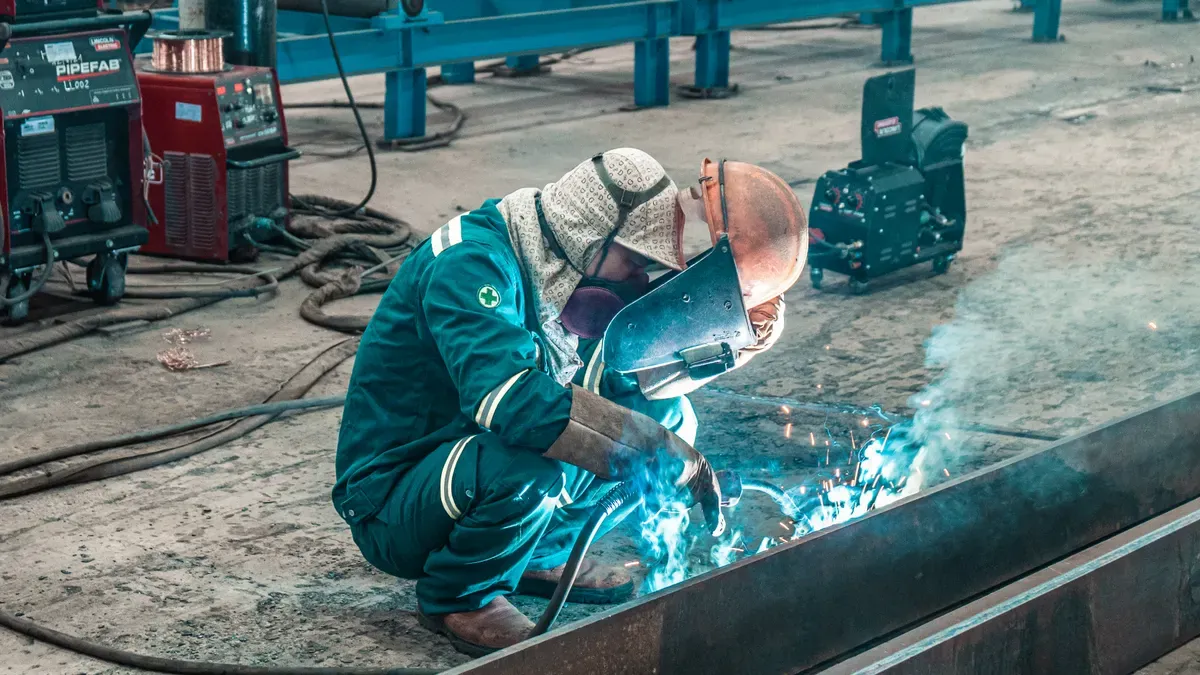
Global OEM supply chains in 2026 need trusted partners to build complex metal assemblies. A top china welding fabrication manufacturer earns a great international reputation through high precision and certified quality. Leading chinese manufacturers improve their manufacturing capabilities by using automated robotic Welding with flexible sheet metal fabrication techniques. Advanced facility operations follow ISO 3834, EN 15085, and IATF 16949 standards to ensure strong structural integrity. Industry leaders like Hehua Machinery Technology set high technical goals for every global supplier. Finding the right metal supplier helps original equipment brands get durable welded parts for tough industrial uses worldwide. These smart technical steps guarantee steady performance across large global markets.
Best Chinese makers use ISO 3834 and EN 15085 rules to create safe, good-quality metal parts.
Automated robotic welding uses water-cooled clamps to keep thin metal frames from bending out of shape under high heat.
Using laser cutting, CNC machining, and welding in a single factory cuts making costs and speeds up delivery.
Engineers use special slot-and-tab designs to hold parts straight and lower metal bending from high heat.
Quality workers use sound waves and X-rays to check for hidden welding mistakes without ruining the completed pieces.
Factory buyers look for strong partners in China to handle tough building jobs. Top China welding fabrication manufacturers grow their plants to ship more goods overseas. Being close to local materials helps these factories get supplies very fast. Hehua Machinery Technology in Kunshan shows how this industry expands. This helpful supplier mixes heavy building work with very exact factory output. Fast work schedules keep project times short for clients around the globe.
Big metal plants in China make certified items for buyers all over the world. Great Chinese makers use the same safety rules in every active work area. Regular factory steps help important fields like electric cars, trains, electric motors, and heavy machines. Quality control teams check part strength before items leave the building. Clean work areas keep parts safe during every work shift.
Fabricator | Target Industries | Core Welding Processes | Certifications Identified |
|---|---|---|---|
Hehua Machinery Technology | Automotive, Rail Transit, High Voltage Motors | Laser Welding, Robot Welding, MIG/TIG | IATF 16949, EN 15085, ISO 9001 |
Clinalu (Conglin) | Rail Transit, Automotive Assemblies | Aluminum Fusion Welding, Robotic MIG | EN 15085-2 CL1, ISO 3834, IATF 16949 |
Evergreen | Rail Transit, Locomotive Body Parts | Heavy Structural Welding, TIG/MIG | IATF 16949, ISO 3834, EN 15085 |
These special plants follow strict quality rules on all active factory builds. World buyers pick a top China welding fabrication manufacturer for full metal builds. Helpful project leaders watch every build step from start to end. Detailed factory checks ensure good quality on very large orders. Smart material tracking keeps part quality high at every single step.
New metal work needs flexible sheet metal fabrication methods in the shop. A top China facility does laser cutting, CNC bending, metal stamping, and CNC machining together. Workers use metal stamping processes with argon arc TIG welding on silicon steel sheets. Strong laser welding connects thin sheet metal fabrication parts without ruining fragile steel. Linked factory lines move raw items right from cutters to welding spots.
Smart metal work joins basic materials inside each special building step. Work teams build custom tools to hold parts straight during tricky builds. Fast robot welding locks big metal frames for heavy machine uses. Trained workers place neat sheet metal panels onto machine covers. Special sheet metal service setups handle deep drawing, stamping, and outer painting. Smart workers fix welding controls to protect part covers. Good joint setups give top strength along all metal seams. Smart tool setups hold parts still while workers build them fast.
Exact work stays vital for power boxes, motor cases, and control units. Skilled welders use careful MIG welding methods on thick metal plates. Machine workers run CNC milling on adapters to hit correct size goals. Every custom sheet metal service includes full quality checks. Smart build teams make tough metal frames with strong joint holds. Special factory tools stop heat damage across every single metal item. New factory work needs smart planning to make accurate metal builds. Hard testing proves correct sizes. Steady work checks make parts match across big factory runs.
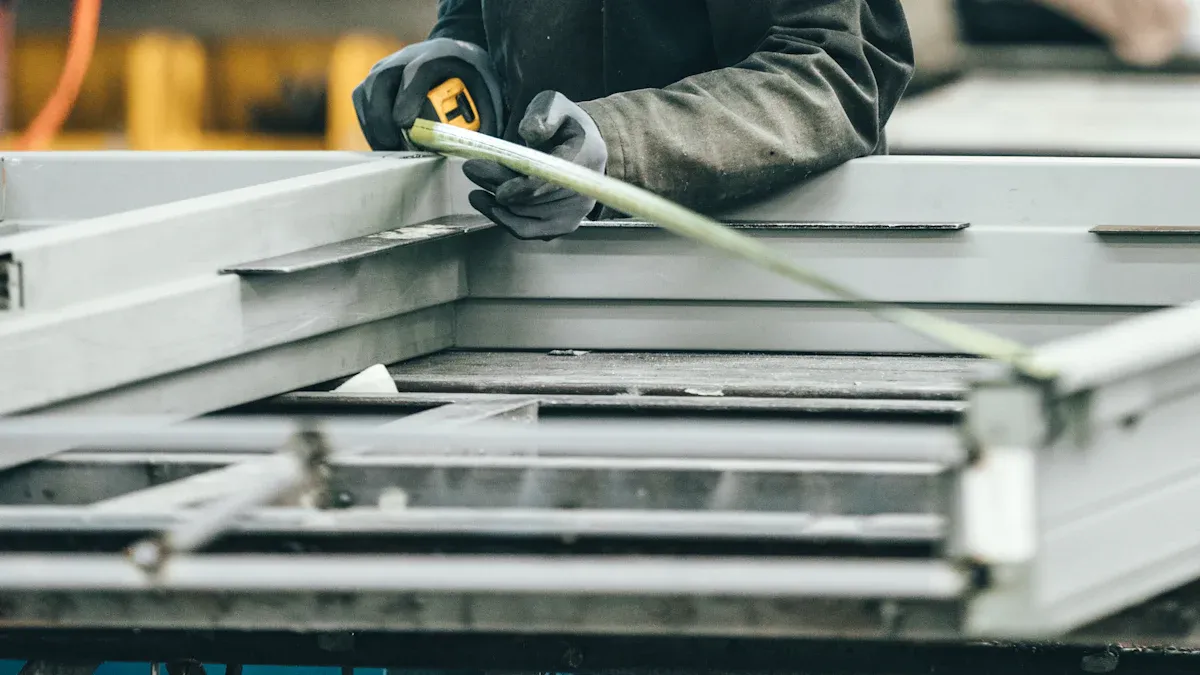
Global buyers check a welding fabrication manufacturer in china using strict international quality rules. Train projects must follow EN 15085 standards to prove structural metal quality. Car parts need IATF 16949 certification to make sure factory lines keep improving during large production runs. Also, ISO 3834 approval proves exact fusion welding capabilities for heavy metal builds and key industrial parts.
Factory checks look at every single step of the building process. Certified inspectors check welding rules and worker skills before any project begins. A dedicated quality control team uses non-destructive testing to stop part breaks in tough work settings. Advanced china manufacturing facilities track raw steel plates all the way to finished goods to keep overall quality high.
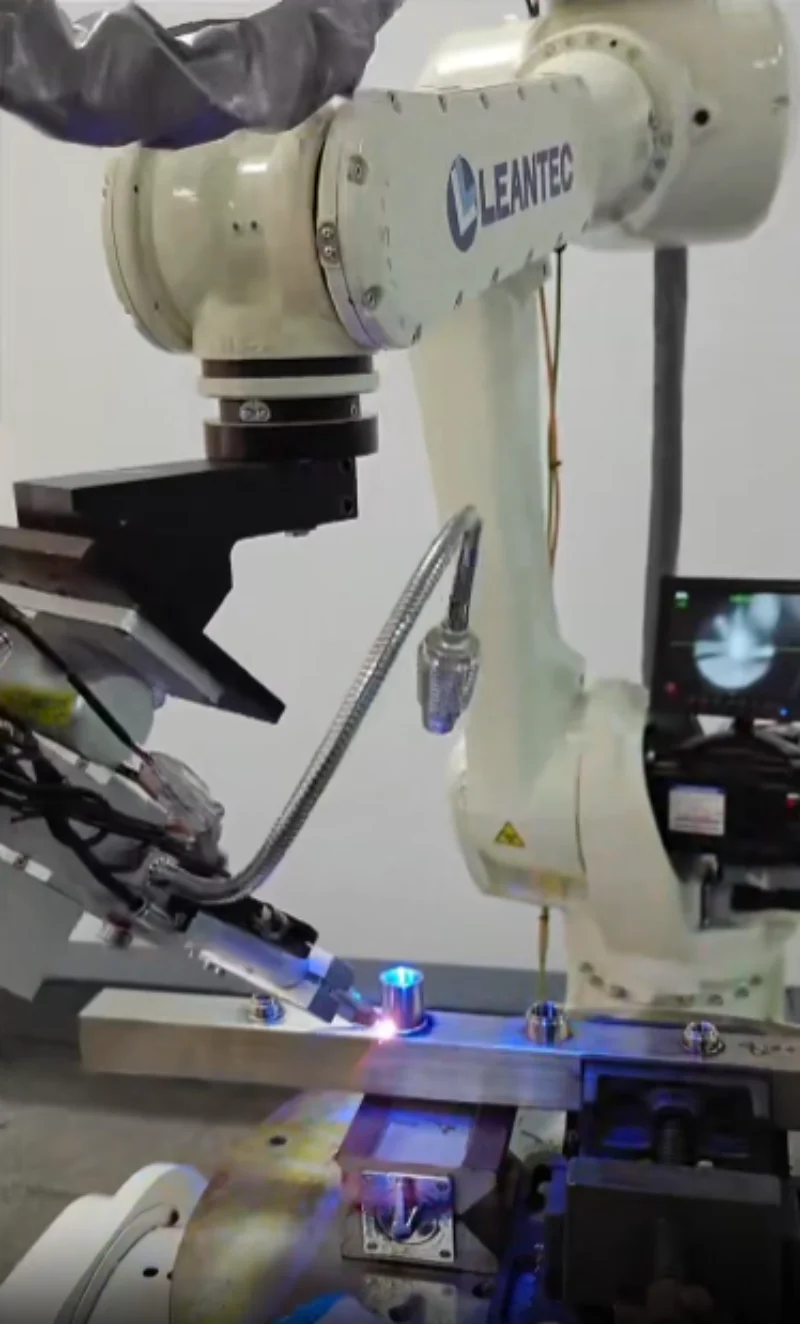
Automated robotic welding makes building faster and keeps sizes exact during big factory runs. Welding robots control heat to stop thin metal frames from bending. Built-in water-cooled clamps use copper to pull extra heat away from precision sheet metal assemblies. These automated tools hold parts tight during fast heating to protect part accuracy and maintain steady quality.
Robotic systems make exact joint fits over and over on complex custom metal fabrication projects. The reference table below shows normal joint spacing for common automated welding methods:
Welding process | Joint fit-up tolerance |
|---|---|
MIG/MAG (GMAW) | ±0.5–1.0 mm |
TIG (GTAW) | ±0.2–0.5 mm |
A skilled sheet metal service uses smart tools to check weld power, electric arcs, and wire speed constantly. Robotic TIG jobs need very tight joint fits and clean metal surfaces to prevent tiny air holes. At the same time, robotic MIG jobs can handle small gap changes on larger sheet metal fabrication jobs without losing strength. A skilled sheet metal service partner in china provides steady welding accuracy for every complex sheet metal fabrication project, improving total output.
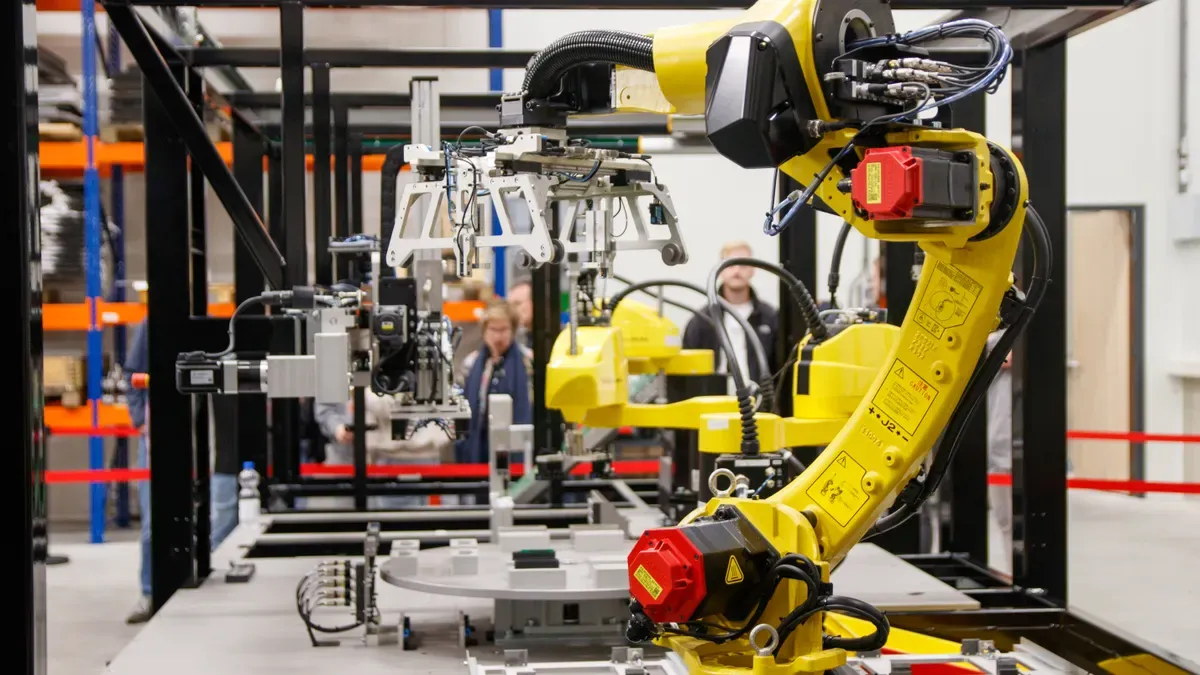
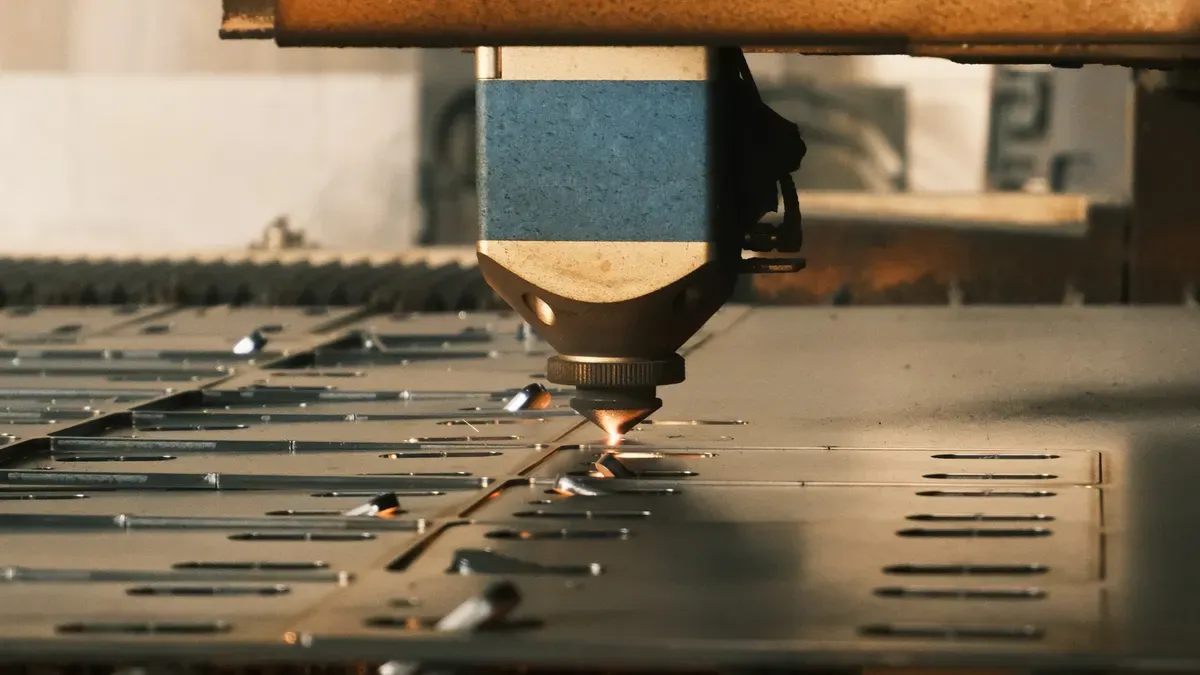
Modern China manufacturing plants save time by linking laser cutting, sheet metal stamping, CNC machining, and automated metal assembly in one place. These linked steps remove the need for extra suppliers and deliver high-quality custom sheet metal parts. Using smart sheet metal bending methods reduces manual welding work by up to 40 percent. In addition, finishing all building steps inside the main factory speeds up final delivery by 20 percent. Top Chinese factories keep product quality very high on every single build.
A fully connected sheet metal service holds very tight sizes across each production step:
Fabrication stage | Standard tolerance |
|---|---|
Laser cutting | ±0.1 to ±0.2 mm |
Sheet metal bending | ±0.2 to ±0.5 mm |
As-welded metal structures | ±1.0 to ±2.0 mm |
Post-machined weld surfaces | ±0.05 to ±0.1 mm |
Using laser welding together with CNC machining ensures exact joint fits. Hehua offers complete sheet metal fabrication services to help international buyers lower total costs on tricky metal builds.
Connected factories make custom mold tools and special clamps to improve precision sheet metal building work. Custom tools line up metal parts so robot welding machines follow identical paths every time. Special holding tools manage heat expansion, stop part movement, and keep joints straight during hot welding jobs. Because of this, using one tool supplier cuts setup wait times on complex building projects.
Top Chinese factories use smart tool setups to offer more custom choices for international clients. Skilled engineers adjust custom clamps so workers can switch between high-precision metal jobs quickly. This precise sheet metal service combines custom tool making with complete factory building methods. Good clamp designs hold parts tight, protecting overall quality across every welded metal assembly.
Engineers check designs to make sure parts are easy to build before making them. A Chinese sheet metal factory checks the gaps between parts to improve weld seams. Builders use slot-and-tab features so metal pieces line up on their own. This smart setup stops parts from bending out of shape when metal heats up. Using the same sheet metal thickness across every joint also stops heat from twisting the metal. Standard welded parts usually stay within 0.125 inches of the target size. However, special holding tools keep these gaps as tiny as 0.010 to 0.020 inches.
Quality check teams use special measuring tools to make sure every part is the right size. Portable measuring devices check complex metal builds right on the shop floor. Other layout tools do detailed checks in controlled rooms to spot tiny size errors before they add up. A trusted Chinese factory checks how parts fit together to ensure top quality and correct fits.
Heavy-duty metal parts must go through strict testing that does not break them. Quality inspectors check every main weld to make sure the parts are strong enough. The best factories follow clear international rules during every check.
Testing Method | Normal Pass Rules for Heavy-Duty Welds | Example Part Standard |
|---|---|---|
Sound Testing (UT) | Deep cracks or poor joins fail the test. Tiny internal flaws up to 20% thickness pass. | Factory pipes (ASME B31.3) |
X-ray Testing (RT) | Internal cracks or poor joins fail. Tiny air bubbles must stay under 3 mm. Small slag lines up to 25 mm pass. | Steel tanks (ASME Sec. VIII) |
Liquid Color Testing (PT) | Surface cracks and air holes fail. Long marks over 1/16 inch and round marks over 3/16 inch fail. | Steel tanks |
A skilled Chinese metal supplier provides high-precision sheet metal services. They track raw metal from start to finish to keep overall quality high. Overseas buyers pick a trusted Chinese factory to get reliable parts for every project.
Choosing a top Chinese welding fabrication factory means checking their technical skills carefully. Global buyers must make sure the plant has official quality certificates and smart tools. Complete sheet metal factories build very exact frames for tricky metal parts. Supply teams should ask suppliers to review part designs before starting work. These early engineering checks improve metal joint shapes before factory production begins. Project managers must read official test reports to confirm proper welding rules. Ordering a sample part proves that the factory controls sizes under real working conditions. Outside factory checks make sure big orders stay high quality from start to finish. A good metal partner keeps size controls exact to keep global projects safe.
Global buyers look for official certificates to ensure high quality. Standards like ISO 3834 cover melting welds, while IATF 16949 applies to car parts. Also, train projects must follow EN 15085 rules. These certificates help plants ship strong metal builds overseas safely.
Chinese plants use automated robot welders to manage high heat levels. Water-cooled tools hold every metal piece tightly while workers apply heat. These special holders keep tight size limits and stop thin metal panels from warping out of shape.
Trained inspectors use sound waves, X-rays, and liquid color dyes to check parts. These safe testing methods find deep hidden cracks and surface spots in heavy metal frames. Teams can check part strength without breaking the finished metal pieces.
Combining laser cutters, metal stampers, CNC tools, and robot welders in one plant saves valuable project time. Single-factory building cuts total production costs. At the same time, it keeps sizes exact across complex welded metal parts.


 AddressNo. 66 Xingpu Road, Lujia Town,Kunshan City, Factory Buildings 3 and 4
  en
en
 English
 繁体中文
繁体中文 Italian
 Spanish
 Japanese
 Portuguese
 Korean
 Russian
 French
 German
 Estonian
 Arabic
 Indonesian


 Message