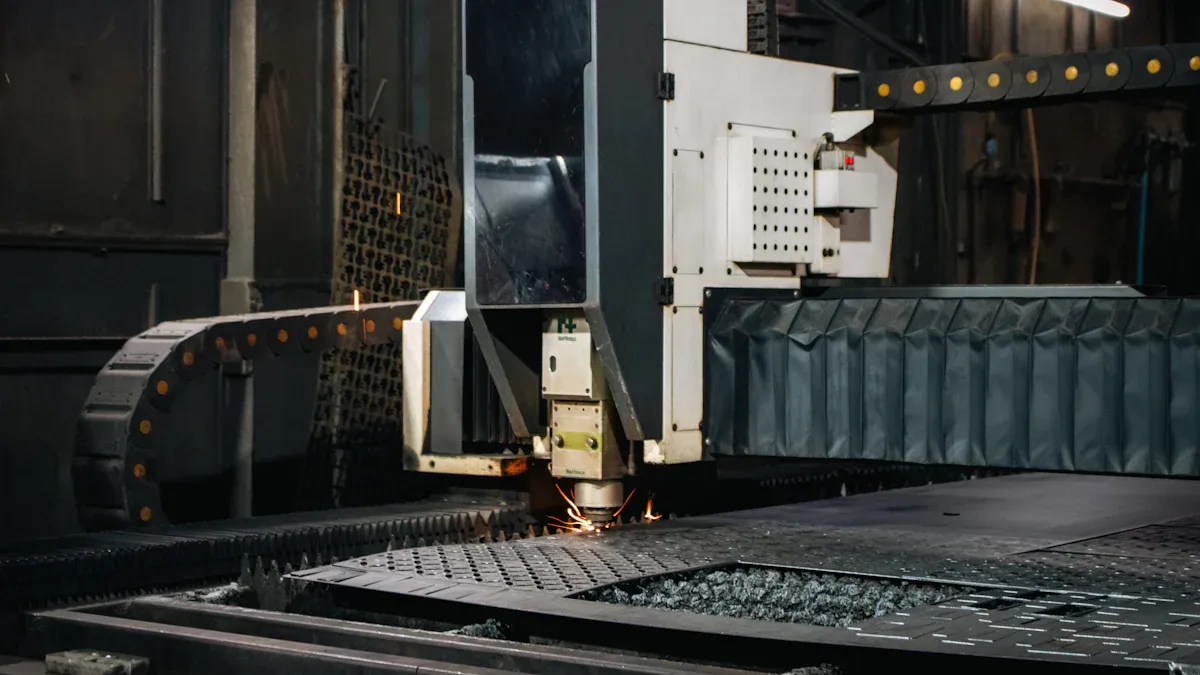
You must choose a Sheet Metal Fabrication provider by checking engineering skills, design knowledge, quality controls, and clear communication. When buying custom housings, equipment buyers look past simple prices to find the best technical fit and lower long-term risks. Buying successfully from China means matching your case designs with the right factory tools. A good evaluation plan helps buyers find a dependable supplier with strong building skills for complex metal parts. Careful checks ensure that you pick a skilled manufacturer. Top partners like Hehua Machinery Technology (Kunshan) Co., Ltd. offer accurate sheet metal work for both early models and full production runs.
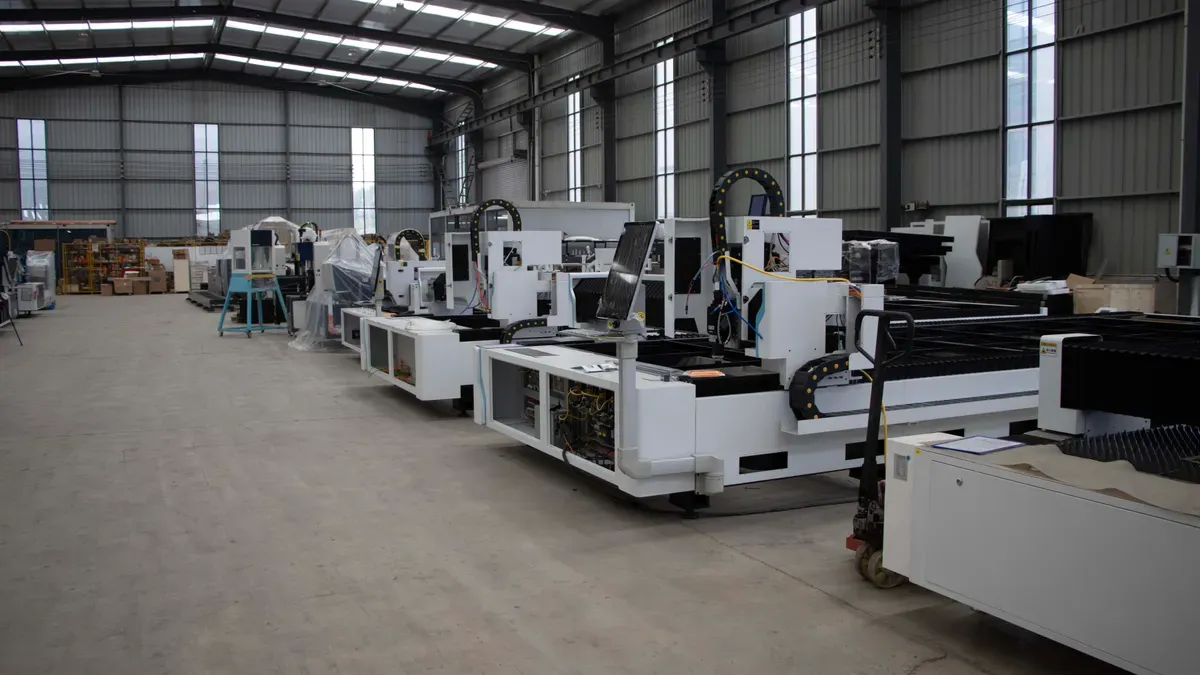
Choose advanced factories with precise laser cutters and CNC bending tools to make sure custom metal housings fit together perfectly.
Pick one complete factory to manage cutting, welding, and painting together, which reduces project delays and delivery expenses.
Check quality systems using ISO standards, and ask for CMM and salt-spray test reports to guarantee long-lasting outdoor metal parts.
Read detailed price quotes carefully so you can avoid hidden shipping fees, missing work costs, and dishonest low bids from foreign suppliers.
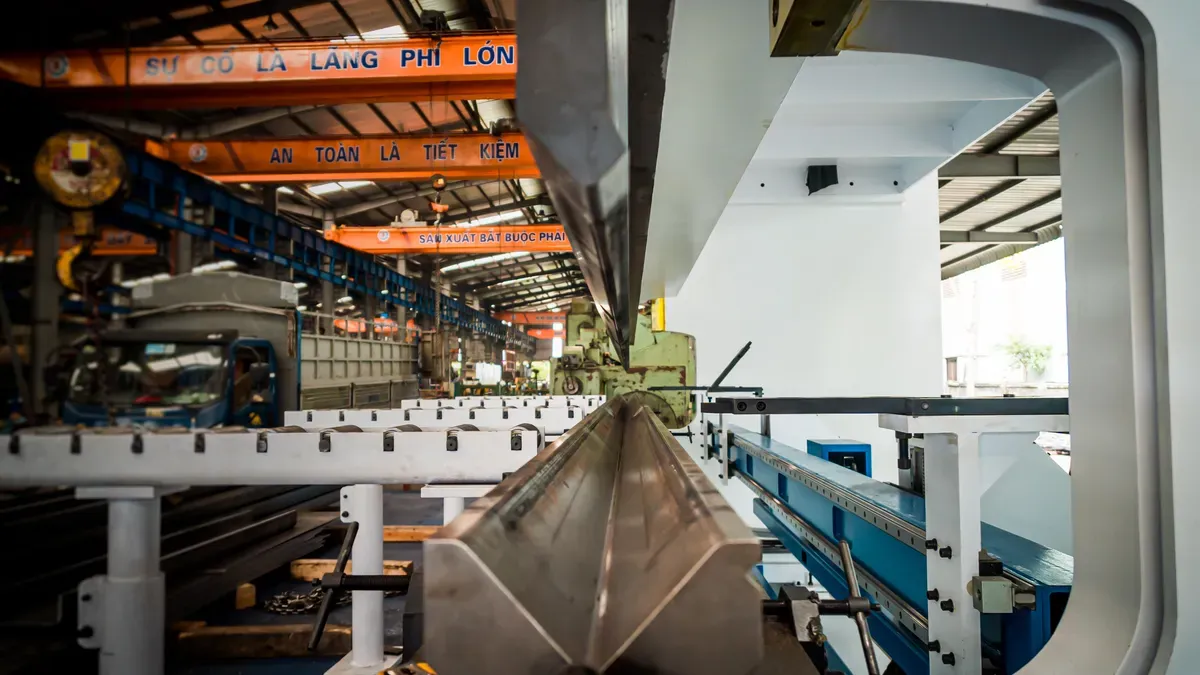
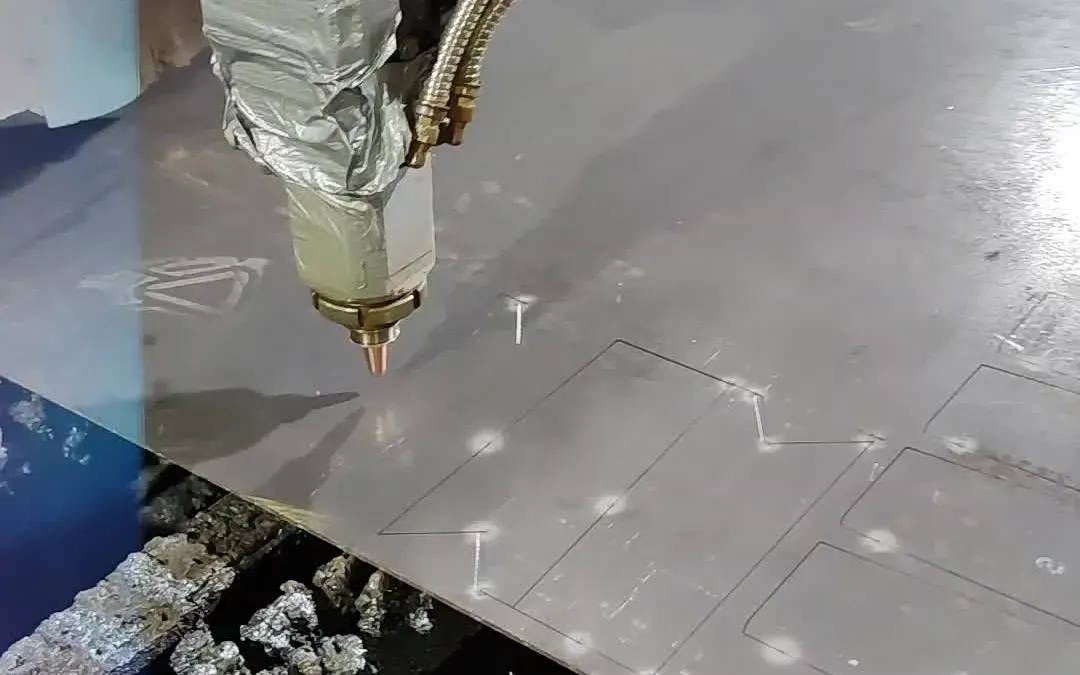
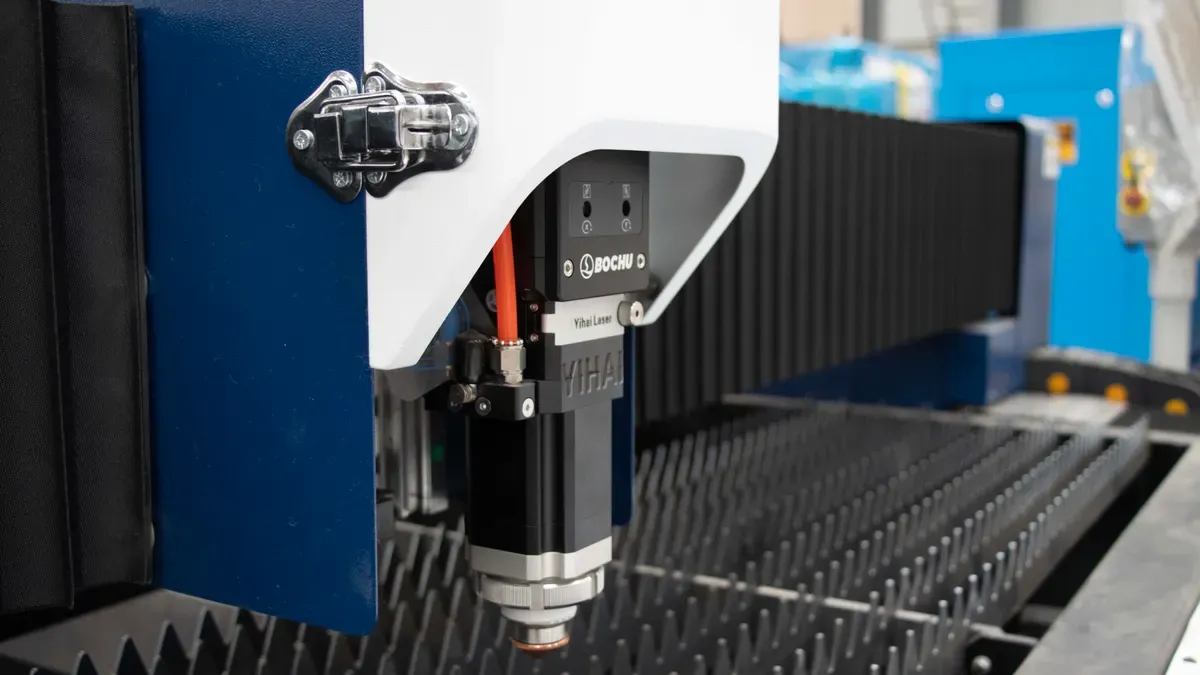
You should check a factory's machines before choosing a sheet metal supplier for your business needs. Top makers use high-tech equipment to cut and shape tough metals with great accuracy. Strong fiber lasers cut through sheet metal very fast while leaving smooth edges and little waste. Meanwhile, modern CNC bending tools shape tricky metal panels at precise angles to create sturdy custom housings.
Key accuracy standards for main cutting and bending machines include:
Laser positioning accuracy: ±0.02mm/m for fiber cutting systems
Standard CNC press brake angle accuracy: ±0.2°
High-precision housing angle accuracy needs: ±0.1° to ±0.2°
Checking that your supplier meets these equipment standards helps ensure your metal covers seal tightly and fit internal parts correctly. A great factory uses smart multi-axis backgauges to keep metal sheets in the exact right spot. Built-in angle sensors also measure and fix metal springback as it bends. This careful process guarantees every single custom metal part matches your exact size needs every time.
Making complex custom housings takes more than just basic laser cutting and simple sheet metal bending. Mastering modern metal work requires smooth teamwork across every single step of production. You can easily avoid extra shipping delays and planning headaches by picking a single full-service factory. Integrated plants handle metal stamping, precision cutting, special welding, surface painting, and final product assembly inside one facility.
Hehua Machinery Technology shows great building skills by handling entire custom projects under one roof. The manufacturer combines core custom sheet metal work with these complete factory solutions:
CNC machining for precise mounting spots, door hinges, and thick base plates
Custom mold and tool making to support complex 3D housing shapes
Metal stamping to produce high volumes of strong structural brackets quickly
Special welding methods to build tough frame joints and leak-proof seals
Doing all your sheet metal work inside one factory significantly shortens your overall project timeline. This all-in-one setup stops you from moving unfinished parts between different outside vendors. It cuts down on extra management work and prevents quality fights between separate companies. Specialized welding frames keep joints perfectly lined up during big production runs. Careful housing assembly prevents leaks, strengthens the frame, and brings basic metal fabrication up to higher reliability standards.
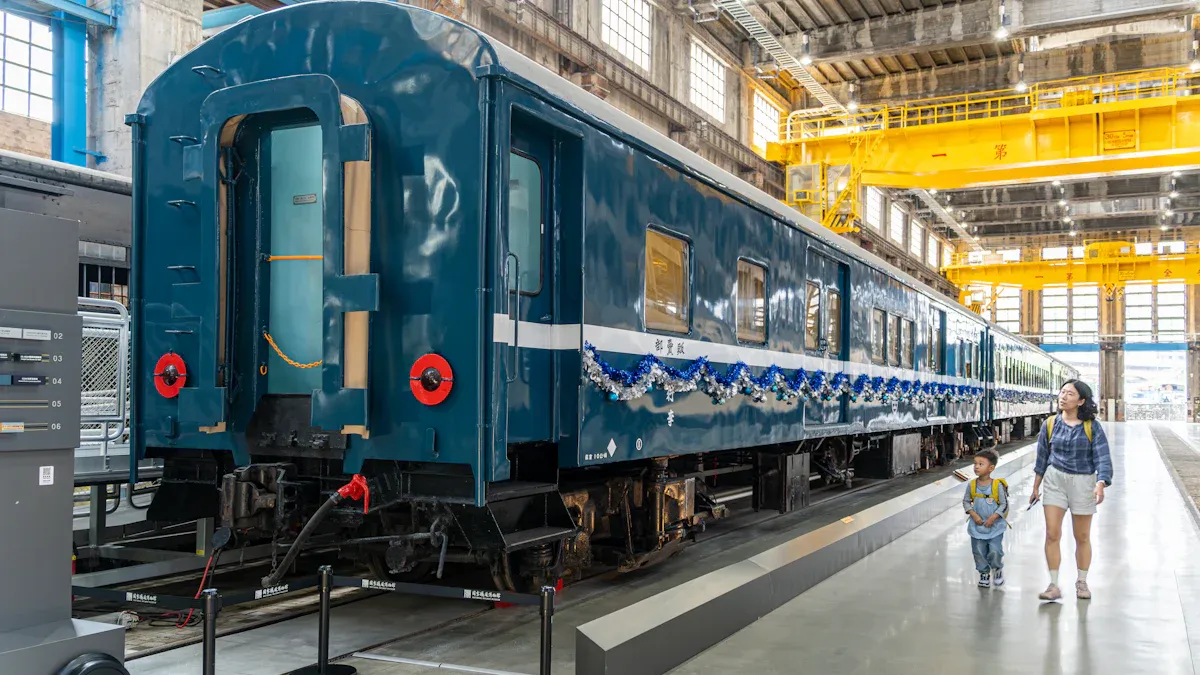
Hehua Machinery Technology uses these custom sheet metal workflows to build reliable, ready-to-use metal parts. The skilled manufacturer supplies busy industries like electric cars, high-voltage motors, trains, and electronics. You get consistent product quality, exact matches to your design drawings, and dependable delivery schedules when your factory controls every step inside.
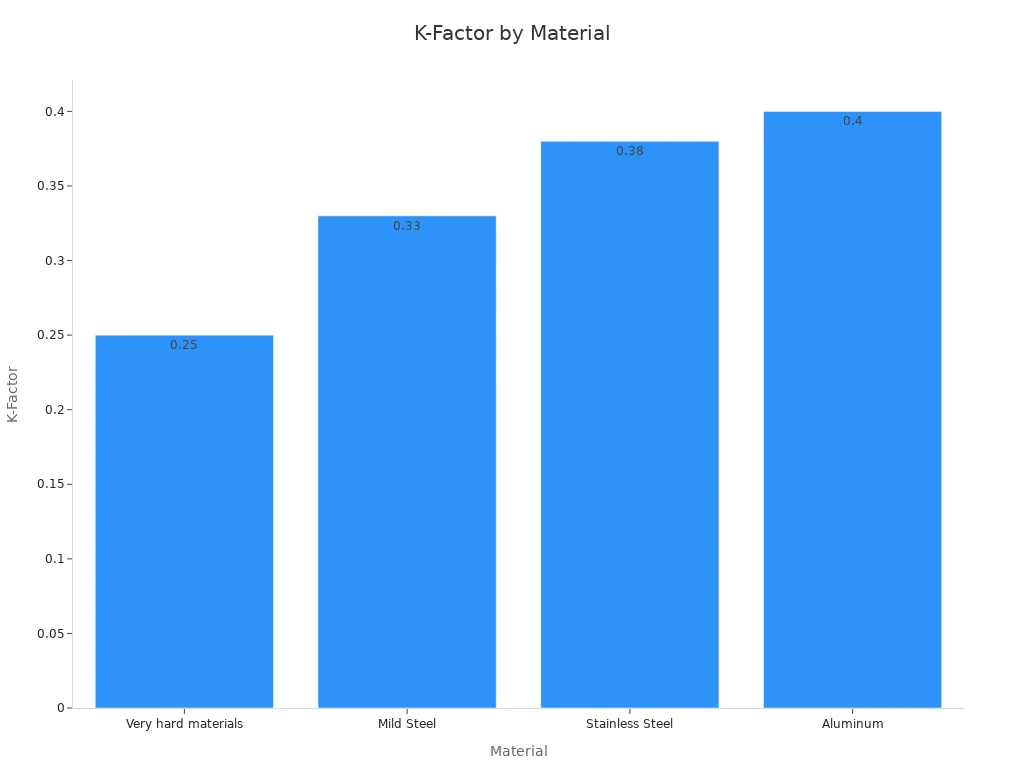
You must optimize K-factors and bend allowances early during custom sheet metal fabrication. Fabricators calculate flat pattern lengths using standard formulas:
Primary Bend Allowance (BA): BA = (π/180) × (R + K × T) × A
Bend Deduction (BD): BD = 2(R + T) × tan(A/2) - BA
Total Flat Length: Flat Length = L₁ + L₂ + BA
Where R represents inside radius, K represents K-factor, T represents material thickness, A represents bend angle in degrees, and L₁, L₂ represent leg lengths.
Material | K-Factor (Standard) |
|---|---|
Mild Steel | 0.33 |
Stainless Steel | 0.38 |
Aluminum | 0.40 |
Soft materials (e.g., aluminum, brass) | 0.35 – 0.45 |
Hard materials (e.g., stainless steel) | 0.30 – 0.38 |
Very hard materials (e.g., hardened steel) | 0.25 |
Your engineering team must add strategic corner reliefs at bend intersections. Smart cuts give metal space to flex and shape cleanly throughout sheet metal fabrication.
Relief cuts lower metal stress and spread out force to stop splits or tears.
Cut width must equal or exceed the total thickness of your metal sheet.
Cut length needs to match or go beyond the main bend radius size.
Proper reliefs protect material integrity during heavy custom sheet metal fabrication.
You get a correct case fit by setting clear goals before starting factory work. Factory sheet metal work relies on simple, standard measurements. Builders use ISO 2768-mK or ISO 2768 Medium rules for power boxes and normal machine covers. Small tech gear cases need strict rules like ISO 2768-f or ASME Y14.5.
Early chats stop small size errors from building up in your sheet metal work. You guard your custom metal build by sharing technical needs with shop experts.
Talk with plant and quality teams early in design to match targets with real shop tools.
Working together early ensures your setup fits actual shop capabilities in high-precision custom sheet metal fabrication.
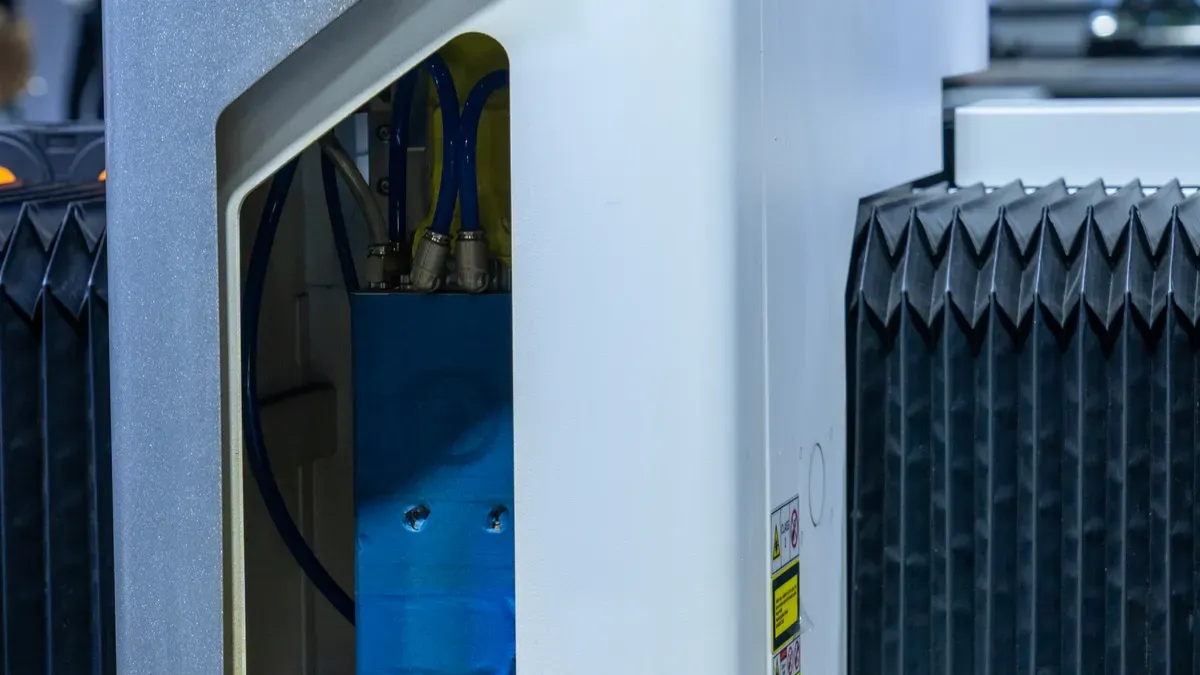
You must verify quality systems beyond paper certificates when selecting a metal fabrication manufacturer. A certified factory demonstrates strong process integrity from raw material intake to final inspection. Third-party audits improve system reliability because independent experts verify process controls directly on the shop floor. For example, third-party welding engineers audit Welding Procedure Specifications and Welder Performance Qualifications to ensure robust structural joints. Leading suppliers like Hehua Machinery Technology build trust by inviting buyers to audit their quality control system directly.
Your evaluation of an oem supplier requires checking international compliance standards for demanding industries. Basic factories maintain ISO 9001 certification to ensure steady production routines, while automotive fabricators meet strict IATF 16949 requirements.
Product Role | Quality System Starting Point | Buyer Decisions Required |
|---|---|---|
Housing for in-vehicle telematics, V2X, gateway, or communication modules | IATF 16949 applies when the part and site are eligible and the automotive customer requires it | Customer-specific requirements, certification scope, PPAP level, traceability, and change approval |
An oem quality control team enforces key automotive standards to stop defects before delivery:
Defect prevention and variation reduction
Strict manufacturing-process control and change management
Structured problem solving and PPAP-style submission
Continuous supplier development and contingency planning
By requiring these strict controls, your evaluation stops production errors before assembly. Hehua Machinery Technology uses these rigorous methods to maintain consistency across custom sheet metal fabrication projects for high-voltage motors and automotive enclosures.
A thorough supplier evaluation demands full material traceability and documented testing steps. You must request a complete First Article Inspection report before approving full production runs. Quality engineers measure sample parts on Coordinate Measuring Machines to verify tight hole patterns, flat base plates, and complex bent angles against digital drawings. These precise CMM reports prove that your custom sheet metal fabrication meets exact design rules.
Salt-spray testing confirms coating durability for outdoor housings. Technicians place coated metal coupons or finished sheet metal enclosures inside a salt spray chamber under ASTM B117 conditions.
Technicians expose test samples to a 5% NaCl fog at 35±2°C.
The chamber maintains a collection rate between 1.0 and 2.0 mL/h over an 80 cm² area.
Operators run tests for 96h, 240h, or 500h depending on project needs.
After exposure, the quality control team inspects samples for red rust, white rust, blistering, and coating creep. This accelerated test proves that current pre-treatment and powder coatings can withstand harsh environments.
Your team completes a comprehensive quality evaluation by reviewing raw material heat codes, intermediate in-process checks, and final inspection certificates. A dependable sheet metal manufacturer maintains complete material heat logs to trace every single steel coil back to its original mill batch. Reliable fabricators like Hehua Machinery Technology integrate these rigorous checks into their daily routines. Implementing a complete quality control system protects your supply chain, eliminates field failures, and guarantees flawless custom sheet metal fabrication across every single shipment.
You should look closely at itemized prices when buying custom covers. A full price list shows setup fees, supply costs, and assembly labor. Fixed setup costs cover CNC coding, sheet planning, tool swaps, and early part checks. Higher order counts spread these fixed costs over extra units. As a result, the price per item drops quickly when your order batch grows. Picking normal supplies also helps you avoid extra raw material fees.
Strict accuracy needs also boost factory costs right away. Tighter bend limits add extra work time because workers must complete extra setup and measuring steps. Adding fast hard fasteners, welding joints, smoothing edges, and painting surfaces need expert labor during custom metal work. When buyers compare price quotes, asking for clear line items helps you find the best technical value from every metal supplier.
Cheaper bids often mask major build risks for your custom metal job. Dishonest sellers offer fake low prices by skipping key build steps or using weak frame parts. You can spot bad price quotes by watching out for these common missing items:
Indicator | Description |
|---|---|
Scope gaps | Missing costs like painting, packing, and testing boost total prices later through surprise change orders. |
Hidden logistics costs | Prices leaving out truck delivery, customs, sea shipping, and drop-off hide real project fees. |
Skipped quality control | Shops that skip main record checks offer lower prices, but bad parts cause big delays and reworks. |
New sellers also forget one-time planning fees. Tricky cover shapes need special press tools, custom welding frames, and exact code setups. Cutting corners on safety checks or frame designs causes fit problems during final shop assembly. Smart buyers dodge these costly traps during overseas buying. Picking a safe shop guards your project budget, keeps main quality rules, and keeps your work lines moving. When you compare prices across shops, make sure your chosen factory fully covers every single build step.
You need a clear plan when making your custom sheet metal job grow from early samples up to 50,000 total items. Factory workers check 30 sample parts during early runs to see if their tools work well. A test score under 1.0 means the shop cannot control its metal shaping tools. Scores from 1.0 to 1.33 show barely okay control for sheet metal fabrication. Good shops aim for a score of 1.33 or higher to prove they can start big jobs. Getting a top score of 2.00 almost wipes out all defect risks for big factory projects.
Working together on early drawings stops structural breaks when making higher numbers of custom parts.
Adding raised metal ribs stops large flat panels from bending out of shape.
Using simple slot-and-tab slots with push-in pins cuts assembly time and prevents heat damage.
Following standard inside curve rules keeps metal from cracking while worker teams bend parts.
Shop workers check part sizes at every single step. This smart routine makes small test runs easier while cutting down on wasted metal scrap.
Getting good parts across oceans takes tough packaging rules for long boat trips. Picking a top sheet metal builder guarantees complete physical safety for all your metal covers. Factories must follow ISPM-15 wood packing rules so bugs do not travel inside shipping boxes. Sealed plastic bags and dry packs guard custom sheet metal parts from wet sea air during shipping.
Picking standard trade terms sets who pays costs and who takes on transit risks:
Incoterm | Cost Allocation | Risk Transfer |
|---|---|---|
FOB | Supplier pays origin transport and port loading. Buyer pays freight and insurance. | Risk transfers to buyer once goods are loaded on board at origin port. |
CIF | Supplier pays freight and insurance to destination port. Buyer pays local fees. | Risk transfers to buyer at destination port after discharge. |
DDP | Supplier pays all transport, insurance, duties, and final delivery. | Risk stays with supplier until delivery at buyer premises. |
Smart box packing guards your parts from rust or scratches during long boat trips across oceans.
Smart buyers pick FOB rules when using their own shipping teams to move metal goods. Meanwhile, choosing DDP brings simple door-to-door delivery for easy buying from China shops. Inspector teams complete one final check before packing sea containers with finished sheet metal enclosures. This careful review stops your company from getting broken metal parts at your main dock. Skilled makers wrap custom sheet metal parts in soft foam sheets and tight plastic wraps. This careful work helps buyers keep their main factory lines running on time without breaks. Working with a good plant removes all shipping risks for your business.
Finding the best Chinese oem sheet metal manufacturer takes a careful check. You must pair shop tools and DFM skills with strict quality checks and clear overall pricing. This full review guards your supply line and ensures perfect fits for all your custom housings.
Set clear project details before sharing an RFQ file with a potential maker. Wise oem buyers supply complete 3D CAD files, 2D prints with GD&T, specific material types, and coating standards. This good prep speeds up sheet metal custom fabrication setup and removes supply risks.
Work with a dependable oem sheet metal manufacturer like Hehua Machinery Technology to protect your sheet metal fabrication work. Trusted oem partners deliver top accuracy.
You must check for ISO 9001 certificates to confirm basic factory routines. Parts for cars need IATF 16949 rules to stop small build errors. Your group should also ask for a full First Article check report before starting large jobs.
You can read Coordinate Measuring Machine reports to double-check small holes and folded corners. Makers like Hehua Machinery Technology run clear size check steps on test pieces. This careful review proves that your finished box fits your main digital CAD designs.
Shops run salt-spray checks using ASTM B117 rules to test how long paint lasts outdoors. Testers put metal samples inside a closed box filled with a 5 percent salt fog. A final surface check spots rust or peeling paint to ensure tough outdoor safety.
One single plant handles laser cutting, CNC bending, welding, and surface painting under one roof. All-in-one partners like Hehua Machinery Technology cut out extra shipping stops between different outside shops. This setup lowers simple planning work and guards your overall project timeline.


 AddressNo. 66 Xingpu Road, Lujia Town,Kunshan City, Factory Buildings 3 and 4
  en
en
 English
 繁体中文
繁体中文 Italian
 Spanish
 Japanese
 Portuguese
 Korean
 Russian
 French
 German
 Estonian
 Arabic
 Indonesian


 Message