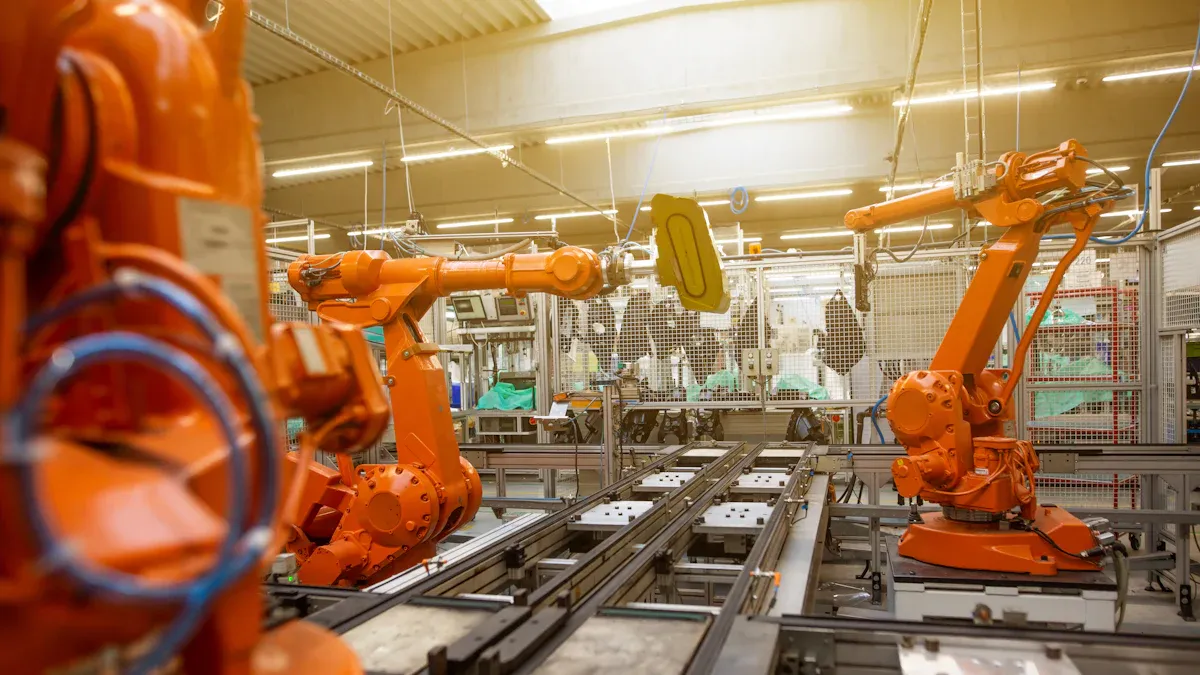
You need to know the main differences between sheet metal fabrication and metal stamping in China. This helps you make good choices in manufacturing. Sheet metal fabrication uses flexible ways to make custom parts and prototypes. Metal stamping is good for making many parts that are exactly the same. It works well for big production jobs. The market is getting bigger. Asia Pacific will have 39% of the world’s sheet metal fabrication services market in 2025.
Metric | Value |
|---|---|
Projected Revenue by 2030 | US$ 130,037.9 million |
CAGR (2025-2030) | 7.7% |
Making things in China is better when you pick the right process for your needs. For example, Hehua Machinery Technology (Kunshan) Co., Ltd. gives advanced solutions for different industries.
Learn how sheet metal fabrication and metal stamping are not the same. This helps you pick the best process for your project.
Choose sheet metal fabrication when you need custom parts or prototypes. Metal stamping works well for making many of the same parts.
Think about how long it takes and how much setup costs. Sheet metal fabrication is faster for small orders. Stamping is good for big orders after setup is done.
Look at what your project needs, like how hard the design is and what material you use. This helps you find the best way to make your parts.
Pick a supplier who is trustworthy and has good experience. Make sure they use modern technology. This helps you get quality parts on time.
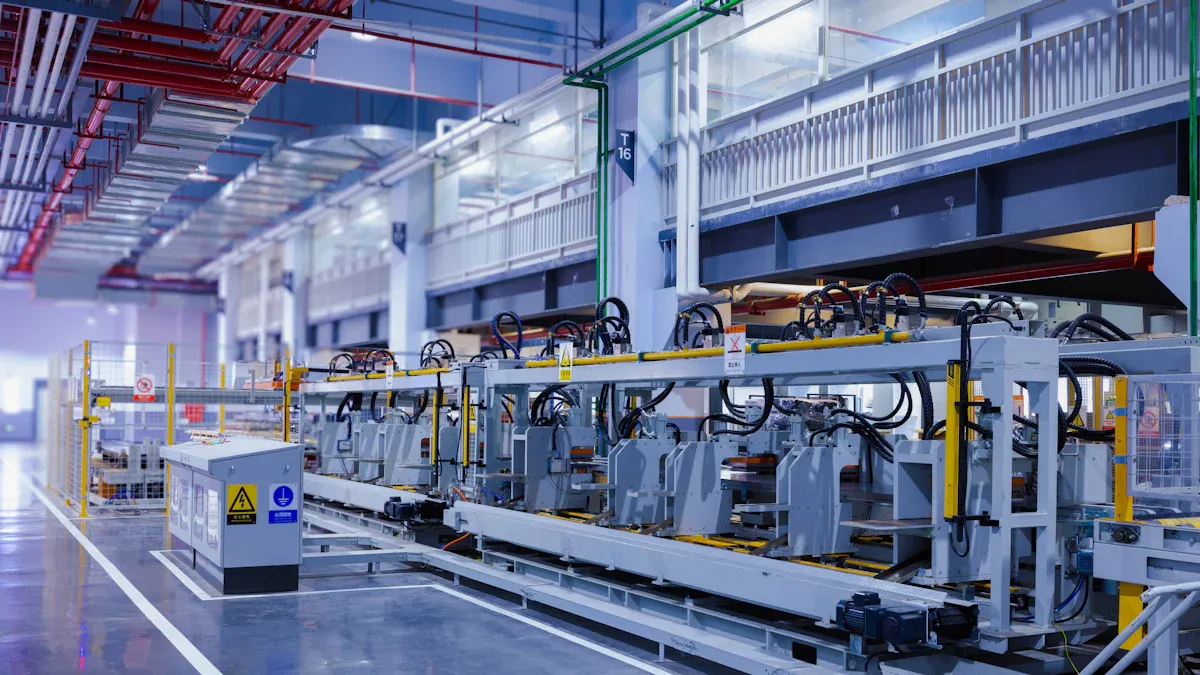
You should know the main differences before picking a process in China. Sheet metal fabrication is flexible. You can cut, bend, and put together metal sheets. This works well for making prototypes and small orders. Metal stamping uses machine presses and custom dies. You put a metal sheet in the press. The die shapes it with force. Stamping makes many identical parts fast after setup.
The table below shows how these methods compare in Chinese factories:
Aspect | Sheet Metal Fabrication | Metal Stamping |
|---|---|---|
Lead Time | Shorter lead times for simple setups | Longer lead times because of custom tooling |
Tooling Requirements | Less complex tooling for small runs | Needs custom dies, takes up to 45 days |
Production Methods | Quick prototypes with different processes | Fast production for big runs after setup |
Cost Effectiveness | Cheaper for small orders | Cheaper for medium to high volume |
Precision | Good for tricky shapes | Very accurate for identical parts |
Additional Processes Needed | May need more fabrication steps | May need extra fabrication steps |
Sheet metal stamping mixes both methods. You use stamping presses to shape metal sheets. Sometimes you need more steps for tricky parts. Stamping gives high precision and repeatability, especially for big jobs.
Machining is important in both sheet metal fabrication and metal stamping. You use different machines and ways depending on your project. In sheet metal fabrication, you use cutting machines, bending tools, and assembly equipment. You can change designs while making parts. This helps you adjust quickly if needed.
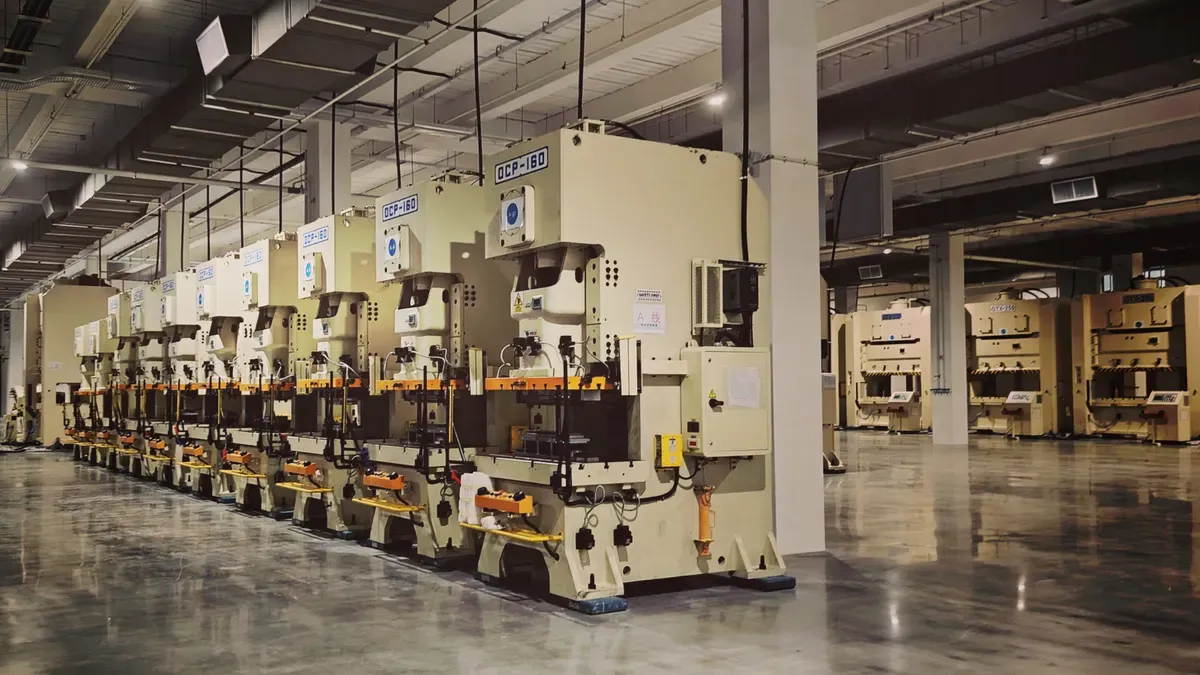
Metal stamping uses machine presses and custom dies. You must make the die before starting. This step takes time and needs skilled workers. Once the die is ready, you can make thousands of identical parts fast and accurately. Sheet metal stamping uses progressive die stamping. You move the metal sheet through several dies. Each die does a special job. This saves time and cuts waste.
China has new technology for forming and processing metal. Factories use advanced stamping presses and laser cutting systems. These machines make fabrication faster and more precise. Automation and smart systems are common now. Connected production cells reduce manual work and speed up production. You get better quality and faster delivery because of these trends.
You also need to think about environmental rules. Chinese suppliers must use ways that cut waste, energy use, and emissions. These rules raise costs. Getting rid of scrap metal is hard. Recycling and reuse are important. Stamping uses a lot of energy. Suppliers buy energy-saving machines to follow the rules.
Here is a summary of the machines and ways used in both methods:
Sheet metal fabrication uses cutting, bending, and assembly machines.
Metal stamping uses machine presses and custom dies.
Sheet metal stamping uses progressive die stamping for efficiency.
Fabrication lets you change designs during production.
Stamping needs die changes for design changes.
Automation and smart systems make things faster.
Environmental rules push factories to use energy-saving machines.
You see special exhibitors and makers at events like ITES 2026. These events help you compare technology and talk to suppliers.
Production volume and uniformity are big differences between sheet metal fabrication and metal stamping. You pick the process based on your project needs. Sheet metal fabrication is good for low to medium volume jobs. You can make custom parts and prototypes quickly. The process lets you change designs and make adjustments. You get good results for tricky shapes and unique designs.
Metal stamping is best for high-volume jobs. You get uniform and consistent parts across thousands of pieces. Once the die is set up, you make identical parts with little difference. Sheet metal stamping is great for projects needing lots of the same part. You save money and lower costs per part.
CNC machining helps both methods. You use CNC machining to cut and shape metal sheets in fabrication. You also use CNC machining to make custom dies for stamping. Machining gives precision and repeatability in both ways. You can get tight tolerances and smooth finishes.
You need to think about lead time and setup costs. Sheet metal fabrication has shorter lead times for simple setups. You can start making parts quickly. Metal stamping takes longer because of custom tooling. Making the die can take up to 45 days. You must plan ahead if you pick stamping.
Environmental rules affect production volume and uniformity. Suppliers must cut waste and energy use. Costs may go up, but you get greener products. Recycling and reuse help cut scrap metal and boost efficiency.
You can use sheet metal stamping for jobs needing both precision and high volume. You mix the benefits of stamping and fabrication to fit your needs. CNC machining is key for getting uniform and quality parts.
Tip: If you need custom parts or prototypes, pick sheet metal fabrication. If you need lots of identical parts, pick metal stamping. Sheet metal stamping is good for jobs needing both precision and high volume.
You must look at your project needs, production volume, and uniformity before choosing a process. You can talk to suppliers in China to find the best way. Machining skills and new technology help you reach your goals.
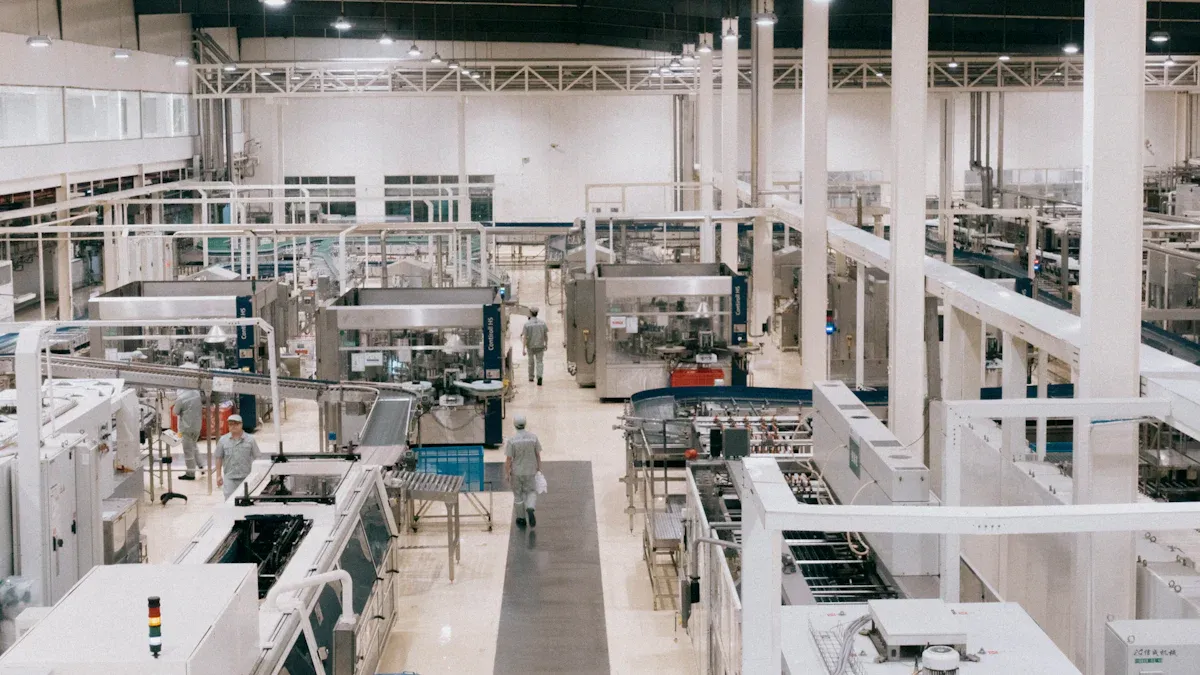
You should know what sheet metal fabrication means in China. Precision sheet metal fabrication uses strict rules for accuracy. Workers check quality often during production. The process includes many steps. You see cutting, bending, punching, stamping, welding, and assembly. Chinese factories aim for high precision in industries like cars, medical devices, electronics, robots, and airplanes. Big manufacturing areas like the Pearl River Delta, Yangtze River Delta, and Bohai Rim have skilled workers and lower costs. Precision standards can be as tight as ±0.05 mm. Advanced machines help make the same parts over and over for big orders. Custom jobs usually need enclosures, brackets, frames, and detailed assemblies. These parts depend on exact connections between features.
Precision sheet metal fabrication uses strict accuracy and quality checks.
The process includes cutting, bending, punching, stamping, welding, and assembly.
High precision is important for cars, electronics, and airplanes.
Manufacturing areas have skilled workers and cost benefits.
Custom jobs need exact connections between features.
You see different ways used in sheet metal fabrication. Cutting turns metal sheets into flat shapes. Bending changes sheets into angles and forms. Welding joins sheets together. Assembly puts parts together to make finished products. Riveting connects sheets for strong bonds. There are thermal methods like welding and mechanical ways using fasteners. New methods include deforming or chemical bonding. CNC machining is important in all these steps. Machining helps get tight accuracy and repeatable results.
Method | Description |
|---|---|
Cutting | Turns metal sheets into flat shapes with laser cutting and punching. |
Bending | Changes sheets into angles and shapes using advanced machines. |
Welding | Joins sheets with arc welding and spot welding. |
Assembly | Puts sheet metal parts together to make finished products or sub-assemblies. |
Riveting | Connects sheets for strong bonds. |
Machining is needed for precision sheet metal fabrication. CNC machining gives accuracy and makes sure parts are consistent.
Sheet metal fabrication is used in many industries. Electronics need enclosures, panels, and housings. Automation uses brackets, covers, and cabinets. Robots need boxes, cages, and manifolds. Medical devices use appliance parts and medical components. Telecommunications need vent hoods and enclosures. Cars use many different parts. Transportation needs equipment housings. Electrical appliances use covers and parts. Computers need housings and panels. Industrial equipment uses assemblies and parts. Custom sheet metal fabrication turns flat sheets into useful parts. This process helps the supply chain and supports new ideas.
Industry | Notable Applications |
|---|---|
Electronics | Enclosures, panels, housings |
Automation | Brackets, covers, cabinets |
Robotics | Boxes, cages, manifolds |
Medical Devices | Medical parts, appliance components |
Telecommunications | Vent hoods, enclosures |
Automotive | Many car parts |
Transportation | Equipment housings |
Electrical Appliances | Appliance parts, covers |
Computers | Computer housings, panels |
Industrial Equipment | Assemblies and parts |
Tip: You can use sheet metal fabrication and cnc machining to make custom solutions for your industry. This gives you flexibility and accuracy.
Metal stamping is very important in China’s factories. Many factories use it to shape flat metal sheets. This process uses strong pressure to make parts fast and cheap. Metal stamping is used a lot for car and electronics parts. The process has many steps like punching, blanking, embossing, coining, flanging, piercing, and bending. Metal stamping is good for making many of the same part. It keeps parts the same size and shape every time. Chinese companies buy new machines to meet more orders. Each year, more companies need extra parts, so the market grows. Metal stamping shows how strong China’s factories are.
Progressive die stamping helps when you need tricky parts made fast. This method uses many dies in one system. Each die shapes the metal a bit more. Progressive die stamping is good for making lots of parts at once. It puts many steps together in one run. The table below lists the main things about progressive die stamping in China:
Feature | Description |
|---|---|
Ultra-High-Speed Stamping | Goes over 600 strokes each minute for quick work. |
Multi-Process Integration | Does more than 20 steps in one die system. |
Wide Material Expertise | Works with stainless steel, copper, aluminum, and special metals. |
Thickness Range | Stamps very thin foils (0.05mm) to thick plates (6mm+). |
In-House Die Design | Uses new machines to make hard progressive dies. |
Tight Tolerances | Keeps accuracy within ±5 microns. |
Long Die Life | Uses strong tool steels to last longer. |
Advanced Tooling & Automation | Uses vision systems and real-time checks for quality. |
Progressive die stamping gives you the same results every time. Machining is important for making and fixing the dies.
Metal stamping is used in many industries in China. Hehua Machinery Technology (Kunshan) Co., Ltd. is a leader in metal stamping and forming. Their parts are used in new energy cars, high voltage motors, electronics, trains, and machines. Metal stamping helps make lots of car bodies, connectors, and electronic parts. Machining makes sure each part is made right. You also see metal stamping in home appliances and train systems. Making many parts and using new machines helps you get strong, matching parts for your needs.
Note: Pick a supplier with good machining and metal stamping skills if you need lots of parts made.
Sheet metal fabrication is helpful when you need flexibility and fast results. This process has many good points:
Materials are affordable, so projects cost less.
Advanced machining and cnc machining give high accuracy.
Rapid prototyping lets you test designs quickly.
You can make complex shapes and custom parts.
Short lead times happen when one manufacturer does many steps.
There are also some problems with sheet metal fabrication:
Mold and quality control costs can be expensive.
Making complex shapes is hard.
Material thickness and surface finish can cause issues.
Fabrication works best for simple 3D forms.
Tight tolerances are harder to get than with cnc machining.
Thin to medium sheets work best for this process.
Surface finish often needs extra machining steps.
Custom jobs have higher setup and tooling costs.
You should think about cnc machining’s advantages and limits when planning your project. Machining helps you get precision, but cnc machining’s limits may change your design choices.
Sheet metal stamping is great for making lots of parts. You can use stamping to make thousands of parts that look the same. Metal stamping gives you:
Fast production with quick cycle times.
High uniformity and repeatability for big orders.
Less waste because of progressive die stamping.
Lower cost per part when you make more parts.
Advanced metal fabrication makes complex shapes possible.
There are also some problems with sheet metal stamping and metal stamping:
Tooling and dies cost a lot at first.
Making dies takes a long time before production starts.
Stamping is not good for making just one or a few parts.
Production can be noisy and cause vibration.
Getting tight tolerances is hard for some parts.
Material bottlenecks can happen, especially with strong steel.
Machining is important in both sheet metal stamping and metal fabrication. You need cnc machining to make precise dies and keep quality high. You should look at the good and bad points before picking stamping for your project.
You need to check costs before picking a process. Sheet metal fabrication and sheet metal stamping cost different amounts. The price depends on how many parts you need. For small orders, sheet metal fabrication costs less. You do not pay big setup fees for tooling. For large orders, sheet metal stamping is cheaper. Tooling costs spread over many parts, so each part costs less. The table below shows how costs change with more parts:
Production Volume | Sheet Metal Fabrication Cost | Metal Stamping Cost |
|---|---|---|
Low Volume | More cost-effective due to lower tooling costs | Higher individual part cost due to tooling investment |
High Volume | Less cost-effective as tooling costs are not spread | More cost-effective as tooling costs are spread across many parts |
You should ask your supplier about your order size. This helps you pick the best process for your money.
Lead time and speed are important for your project. Sheet metal fabrication gives fast results for prototypes and small batches. You can get prototypes in 5–15 days. Small runs take about 2–4 weeks. Big jobs, like 5,000 or more pieces, take 4–6 weeks. Sheet metal stamping needs more time at first. You must make custom dies before starting. After the dies are ready, production is very fast. You can make thousands of parts quickly. If you need parts fast, pick fabrication for small batches. For big orders, sheet metal stamping saves time after setup.
Production Type | Lead Time |
|---|---|
Prototypes | 5–15 days |
Low-volume runs | 2–4 weeks |
Large-scale production | 4–6 weeks (for 5,000+ pieces) |
You should plan for setup costs and lead times when you schedule your project.
Accuracy and customization make these processes different. Sheet metal fabrication uses strict tests. Workers check each part by looking and measuring. You can ask for special features like thickness, materials, or bend angles. Computer simulations help find and fix problems before making parts. If you need to change a design, you can do it easily during fabrication.
Sheet metal stamping uses advanced cnc machining and stamping machines. This gives high accuracy and steady results. You can make complex shapes with special tools. Sheet metal stamping is good for parts that must match every time. Cnc machining helps make and change dies for stamping. Both ways use cnc machining to keep quality high.
Process | Accuracy Features | Customization Features |
|---|---|---|
Sheet Metal Fabrication | Rigorous testing methods including visual inspections and dimensional checks. | Specific features tailored to industry demands, affecting thickness, material type, and bend angles. |
Metal Stamping | High accuracy and stability achieved through advanced CNC stamping equipment. | Capable of producing complex structures with precision tooling. |
You should use cnc machining and computer simulations to make sure your parts are right. Sheet metal stamping is best for high accuracy and repeatability. Fabrication gives you more choices for custom designs.
You need to pick the best process for your project. Think about what you want to make and how many parts you need. Each process has its own benefits. Sheet metal fabrication and metal stamping are good for different jobs.
First, figure out what your project needs. Ask yourself these questions:
How many parts do you need?
Do you want custom shapes or regular parts?
Is precision important for your parts?
What metal will you use?
When do you need your parts?
Different metals have special features. Some are strong, some are light, and some fight rust. The thickness of the metal matters too. Thin sheets are good for small, detailed parts. Thick sheets are better for strong parts. If your parts will be in tough places, pick metals that resist rust. This helps your parts last longer. The price of metal changes your budget.
Look at your design. Sheet metal fabrication lets you change designs while making parts. This is good for prototypes and custom parts. Metal stamping is best for making lots of the same part. After you set up the die, you can make thousands of parts fast.
Your supplier’s skills matter. Hehua Machinery Technology (Kunshan) Co., Ltd. gives advanced metal stamping and forming. Their progressive die stamping saves time. You get quick production and steady delivery. In-house tooling makes things faster. Hehua offers fast prototypes and samples. You can test your designs before making many parts. Their big production helps lower risks. Hehua combines stamping, machining, and assembly. This cuts shipping costs and speeds up production. Quality stays high at every step.
Here is a checklist to help you decide:
Know how many parts you need.
Pick the right metal and thickness.
Check if you need rust protection.
Set your budget for materials and tools.
Decide if you want custom or regular parts.
Look at what your supplier can do.
Plan when you need your parts.
Tip: If you want custom parts, pick sheet metal fabrication. If you need lots of the same part, pick metal stamping. Hehua Machinery can help with both and make your project better.
Tell your supplier exactly what you need. Give them drawings and details. Ask if they have done similar projects. Request samples to check quality. Look at their machines and quality checks.
Pick a Chinese manufacturer you can trust. Look for these things:
Experience in your industry.
Modern machines and technology.
Good quality checks.
Fast and clear communication.
Can handle big and small orders.
Offers stamping, machining, and assembly.
You can visit factories or go to events to meet suppliers. Ask for references and examples of their work. Check their certificates and if they follow environmental rules. Good suppliers help you avoid problems and keep quality steady.
Real-world examples show how companies pick the right process. These stories help you see how different industries choose what works best.
Automotive Industry:
A car maker needs thousands of the same part for electric cars. They use metal stamping for fast, big production and steady quality. Progressive die stamping helps them make tricky shapes quickly. Hehua Machinery gives in-house tooling and steady delivery. The company saves time and gets good scheduling.
Electronics Sector:
A company makes a new electronic device. They need custom cases and brackets for prototypes. Sheet metal fabrication lets them change designs easily. Fast prototypes and samples help them test ideas. When the design is ready, they switch to metal stamping for big orders. Hehua Machinery gives big production and full services.
Rail Transit:
A rail project needs strong parts with tight rules. The supplier uses metal stamping to make parts that meet strict standards. In-house die design and advanced tools keep parts accurate and dies lasting longer. The company gets machining and assembly together. Quality stays steady and shipping costs go down.
Mechanical Equipment:
A company needs spare parts for machines. They want both custom and regular parts. Sheet metal fabrication helps them make unique shapes for prototypes. Metal stamping is used for big orders of regular parts. Hehua Machinery’s trial orders and smart tooling lower risks. The company gets full support during manufacturing.
New Energy Automobiles:
A maker of new energy cars needs parts that are precise and strong. Metal stamping gives them uniform parts with high accuracy. Progressive die stamping cuts waste and keeps delivery steady. Hehua Machinery’s big production and combined services help them meet demand fast.
Note: You should look at your project needs and talk to skilled suppliers. Real-world examples show mixing sheet metal fabrication and metal stamping can give the best results. Good manufacturers like Hehua Machinery offer solutions for your industry.
Match your needs with the right process. Think about metal type, thickness, rust protection, and cost. Check what your supplier can do and their services. Use real-world stories to help you decide. Talk clearly with your supplier and ask for samples. Pick a manufacturer with experience, modern machines, and strong quality checks.
You can reach your goals by following these steps. The right process and supplier help you succeed, lower risks, and keep quality steady.
If you want a good partner in China, pick a supplier with lots of experience and good results. Shanghai Hehua Machinery Technology Co., Ltd. started in 2005. Its branch, Hehua Machinery Technology (Kunshan) Co., Ltd., began in 2017. They are known for making high-end equipment. Their factories are big, covering 20,000 square meters. They have more than 200 skilled workers. Each year, they sell over 200 million RMB. Their registered capital is 50 million RMB. They can import and export freely. They have ISO9001 and ISO16949 certifications. Their technical team uses an advanced ERP system. These strengths make them trusted by automotive, electronics, and rail transit industries.
You must choose your supplier carefully. The right partner helps you avoid delays and keeps your project smooth. Think about these important points:
Quality assurance is very important. You want products that meet standards every time.
Supply chain efficiency matters. Fast and reliable delivery keeps your project on track.
Research possible suppliers. Check their history, certifications, and customer feedback.
A supplier with strong cnc machining skills can make complex parts and tight tolerances. Look for companies with modern equipment and skilled staff. Ask about their experience in your industry and if they can handle big orders.
Tip: If you can, visit the supplier’s factory. You will see their operations and cnc machining processes clearly.
Quality control is very important when working with Chinese suppliers. Top companies use strict systems to make sure every part meets your needs. Common steps include:
ISO9001 Quality Management System tracks materials and checks the environment.
ISO16949 certification adds error-proofing and higher quality standards.
APQP and FMEA help control the process.
Employee training keeps skills sharp.
Custom inspection tools check sizes and consistency.
Cnc machining helps keep quality high. It allows for precise measurements and repeatable results. Suppliers use cnc machining to make inspection tools and parts with exact specs.
Clear communication stops misunderstandings. Many Chinese suppliers have teams that speak many languages. They use email and project management tools to keep you updated, even with time zone differences.
Challenge | Solution |
|---|---|
Language differences | Pick suppliers with multilingual teams |
Time zone gaps | Use clear, documented communication |
You should set clear expectations from the start. Share detailed drawings and requirements. Regular updates and feedback help you spot problems early. When you work with a supplier who values quality and uses advanced cnc machining, you get reliable results for your project.
You need to know how sheet metal fabrication and metal stamping are different in China. The table below shows which process works best for certain needs:
Feature | Sheet Metal Stamping | Metal Fabrication |
|---|---|---|
Process | Uses dies and punches | Cutting, bending, punching |
Production Volume | Best for large runs | Good for low volume |
Design Complexity | Handles complex designs | Simpler designs |
Cost per Piece | Lower for big orders | Higher due to labor |
Repeatability | Highly repeatable | Less repeatable |
Customization | Secondary processing | Diverse customization |
Preparation Time | Longer for tooling | Quick design changes |
You should think about cost, how many parts you need, and how much you want to customize before you pick a process. Find suppliers who have lots of experience and good quality checks. Ask them for samples and see if they can do what your project needs.
Sheet metal fabrication uses flexible ways to make custom parts. Metal stamping uses dies and presses to make many parts fast. You pick the process based on how many parts you need and your design.
Think about how many parts you want. Look at how complex your design is. Decide how accurate you need your parts to be. Sheet metal fabrication is good for custom parts or small batches. Metal stamping is better for making lots of parts that are the same.
Metal stamping is used in cars, electronics, trains, and machines. Companies like Hehua Machinery Technology (Kunshan) Co., Ltd. make stamped parts for new energy cars, motors, and electronic devices.
You can ask your supplier for prototypes. Sheet metal fabrication lets you get samples quickly for testing. Metal stamping can give trial runs, especially with progressive die stamping.
Chinese suppliers use strict quality checks. They follow ISO rules and do regular inspections. They use advanced CNC machining. You get steady parts and good results from skilled manufacturers.


 AddressNo. 66 Xingpu Road, Lujia Town,Kunshan City, Factory Buildings 3 and 4
  en
en
 English
 繁体中文
繁体中文 Italian
 Spanish
 Japanese
 Portuguese
 Korean
 Russian
 French
 German
 Estonian
 Arabic
 Indonesian


 Message