In modern metal manufacturing, selecting the right cutting process can directly influence part accuracy, production efficiency, and overall product quality. For industries such as industrial equipment, automotive components, rail transit, new energy systems, and precision machinery, manufacturers need cutting solutions that can handle complex designs while maintaining stable performance.
Laser Cutting has become an increasingly important technology for custom metal part production because of its high precision, flexible processing capability, and compatibility with various materials. However, traditional cutting methods still play an important role in many manufacturing scenarios. Understanding the differences between laser cutting and conventional processes helps manufacturers choose the most suitable solution for their projects.
With extensive experience in sheet metal manufacturing, Shanghai Hehua Machinery Technology Co., Ltd. provides integrated fabrication solutions combining laser cutting, CNC bending, welding, assembly, and surface treatment. Through advanced equipment and strict quality management, Hehua Machinery supports customers from prototype development to large-scale production of high-quality metal components.
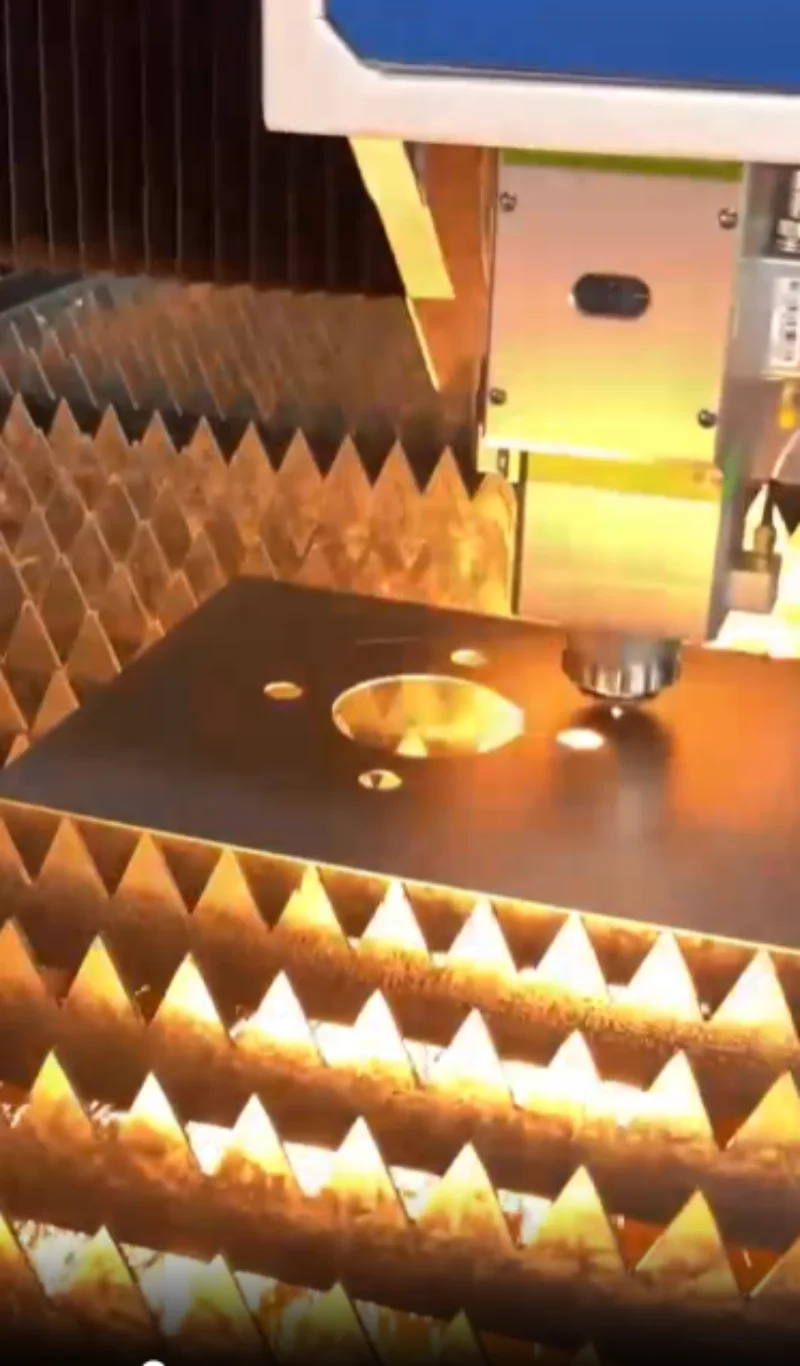
Traditional metal cutting methods have been widely used for decades and remain suitable for many standard manufacturing applications. Common methods include mechanical cutting, shearing, sawing, and other tool-based processes.
These methods typically rely on physical contact between cutting tools and materials. They can be effective for simple shapes, thicker materials, and projects where extremely high precision is not required.
However, traditional cutting methods may have certain limitations when manufacturers need:
· Complex geometric designs
· Tight dimensional tolerances
· Rapid design changes
· Smooth cutting edges
· Reduced material waste
Because the cutting process depends on mechanical tools, wear and maintenance can also influence consistency over long production periods.
For high-precision OEM components, manufacturers increasingly require more flexible technologies that can adapt to changing product designs.
Unlike traditional cutting methods, Laser Cutting uses a focused laser beam to precisely remove material according to digital design data. The process is controlled by CNC systems, allowing manufacturers to produce complex contours with high repeatability.
The main advantages of laser cutting include:
· Non-contact processing
· High dimensional accuracy
· Flexible design adaptation
· Reduced tooling requirements
· Efficient production preparation
Because laser cutting follows programmed paths, manufacturers can quickly switch between different part designs without creating new cutting tools. This makes it especially suitable for customized metal components and OEM projects.
For companies producing different product models or handling frequent engineering changes, laser cutting provides greater manufacturing flexibility.
Accuracy is one of the most important factors when selecting a cutting method.
Traditional cutting methods can achieve reliable results for general-purpose components, but maintaining tight tolerances may become challenging when processing complex structures or detailed designs.
Laser cutting provides stronger control over cutting dimensions and edge quality. At Hehua Machinery, laser cutting dimensional tolerance can reach ±0.03mm to ±0.05mm, supporting applications that require high precision.
This level of accuracy is valuable for products such as:
· Precision instrument enclosures
· Industrial equipment cabinets
· Semiconductor equipment structures
· New energy equipment housings
· High-precision mounting brackets
Stable dimensional control reduces assembly problems and helps manufacturers improve the reliability of finished products.
Another important difference between laser cutting and traditional cutting methods is material adaptability.
Different industries require different metal materials depending on strength, corrosion resistance, weight, and conductivity requirements.
Hehua Machinery supports laser cutting for various sheet metal materials, including:
· Cold rolled steel (SPCC)
· Galvanized steel (SGCC/SECC)
· Stainless steel 304/316
· Aluminum alloy sheets
· Copper sheets
· Galvalume steel sheets
The company can process sheet thicknesses from 0.5mm to 12mm, allowing customers to manufacture both lightweight precision parts and stronger structural components.
Compared with traditional methods that may require different tooling for different materials and shapes, laser cutting provides a more adaptable approach for diversified manufacturing requirements.
Production efficiency is not only about cutting speed. It also involves preparation time, material utilization, process flexibility, and overall workflow efficiency.
Traditional cutting methods may require additional setup when switching between different designs. For customized orders, this preparation time can affect delivery schedules.
Laser cutting improves efficiency by allowing manufacturers to directly process digital drawings. Design modifications can be implemented quickly, making it suitable for:
· Prototype manufacturing
· Small-batch production
· Customized OEM projects
· Complex metal components
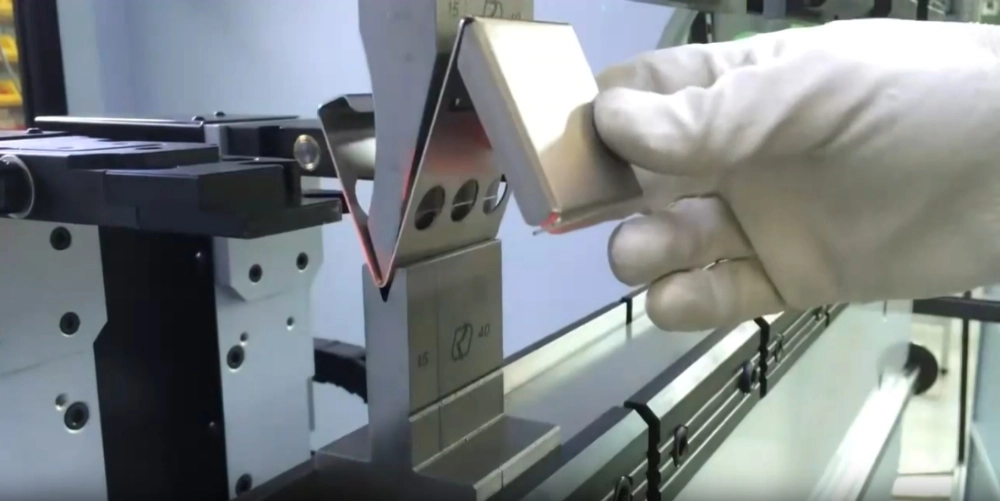
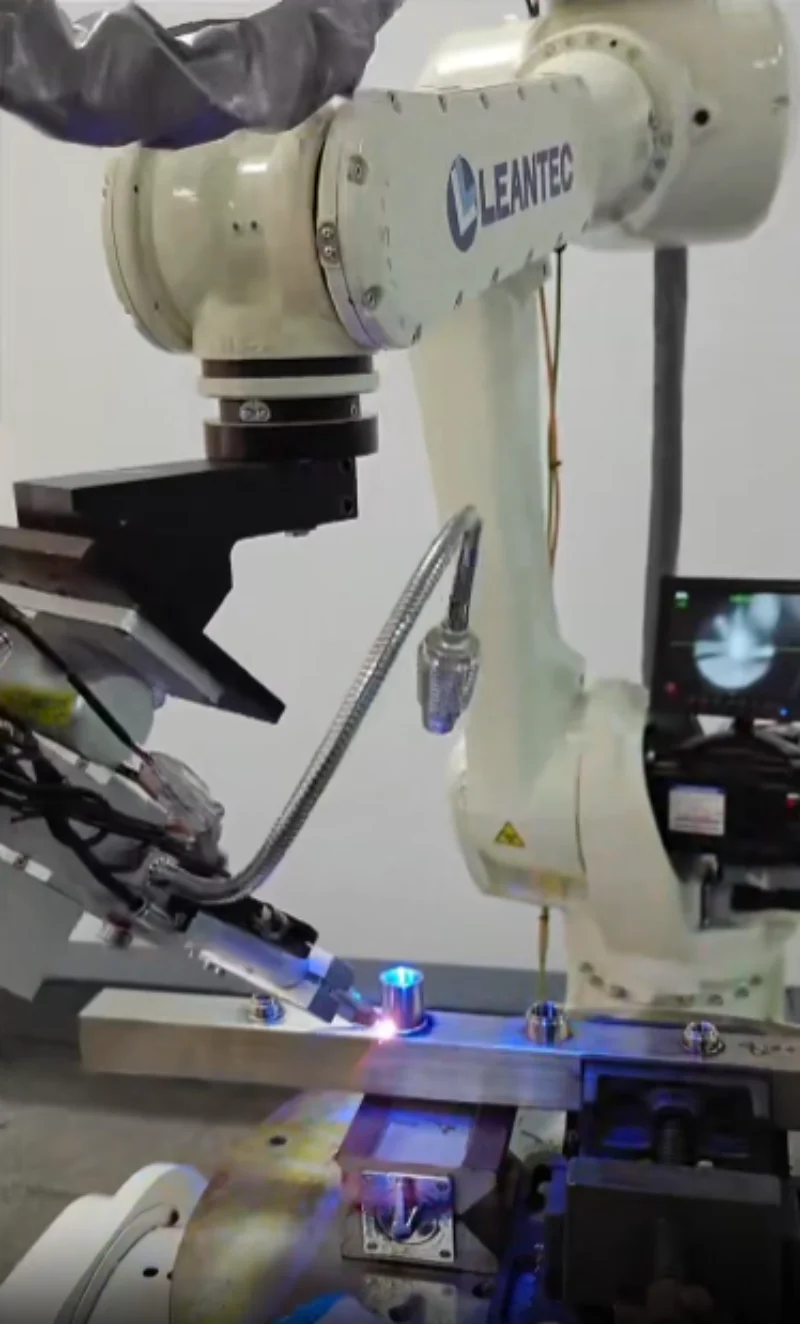
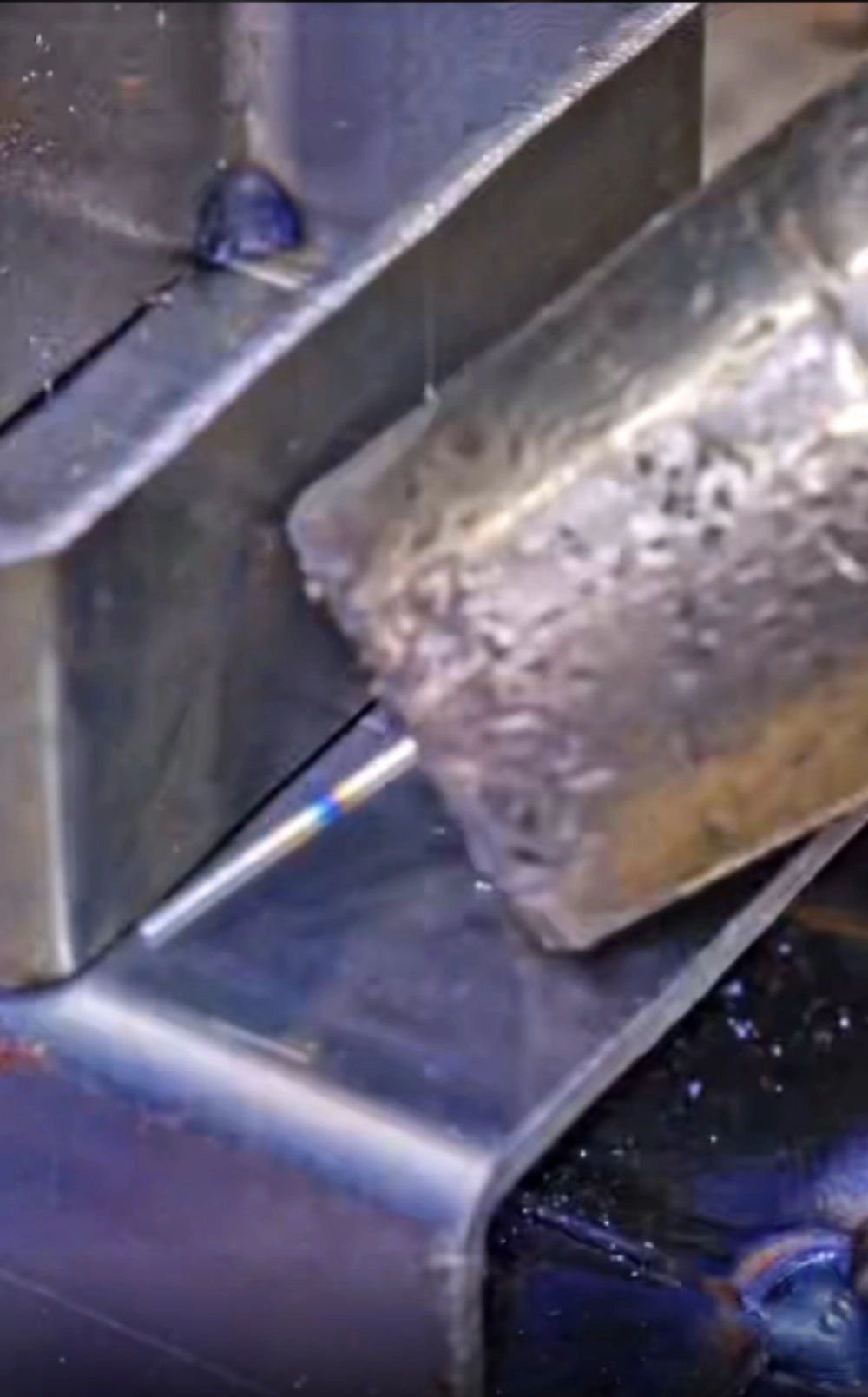
At Hehua Machinery, laser cutting is integrated into a complete sheet metal fabrication process. Customers can receive support including design optimization, prototype production, CNC bending, welding, finishing, and final assembly.
This one-stop manufacturing approach reduces coordination between multiple suppliers and improves project management efficiency.
The quality of the cutting edge affects subsequent manufacturing steps such as bending, welding, and assembly.
Traditional cutting methods may create more burrs or require additional finishing depending on the material and cutting conditions.
Laser cutting produces cleaner edges with minimal deformation, helping reduce additional processing requirements. Combined with professional finishing capabilities, manufacturers can achieve better appearance and functional performance.
Hehua Machinery provides additional processes including:
· Deburring
· Grinding
· Brushing
· Polishing
· Powder coating
· Anodizing
· Galvanizing
· Nickel plating
These supporting services allow customers to complete the entire manufacturing process through one supplier.
Although laser cutting provides many advantages, the best manufacturing method depends on the specific project requirements.
Traditional cutting may still be suitable for:
· Simple metal shapes
· Standardized components
· High-volume products with fixed designs
Laser cutting is often preferred for:
· Custom metal parts
· Complex contours
· Precision components
· Rapid product development
· Flexible production requirements
For OEM manufacturers, choosing a cutting method should consider factors such as design complexity, material type, required tolerance, production volume, and future product changes.
Established in 2005, Shanghai Hehua Machinery Technology Co., Ltd. specializes in manufacturing key metal components for industries including automotive, rail transit, aerospace, wind power, nuclear power, industrial machinery, semiconductor equipment, and new energy systems.
With a manufacturing facility covering more than 17,800 square meters and a professional engineering team, Hehua Machinery provides complete manufacturing support from product development to final delivery.
The company has obtained ISO9001 quality management certification, IATF16949 automotive quality certification, and EN15085 rail welding system certification. Its production management system covers project management, manufacturing processes, quality inspection, and delivery coordination.
By combining advanced laser cutting technology with complete sheet metal fabrication capabilities, Hehua Machinery helps customers achieve stable quality, efficient production, and reliable metal components.
The choice between laser cutting and traditional cutting methods depends on the specific needs of each manufacturing project. While traditional methods remain useful for certain applications, laser cutting provides clear advantages in precision, flexibility, and complex part production.
For manufacturers requiring accurate and adaptable metal components, Laser Cutting offers a powerful solution that supports modern OEM manufacturing demands.
Through integrated fabrication capabilities, advanced processing technology, and strict quality control, Hehua Machinery helps global customers produce high-quality metal parts efficiently and consistently.


 AddressNo. 66 Xingpu Road, Lujia Town,Kunshan City, Factory Buildings 3 and 4
  en
en
 English
 繁体中文
繁体中文 Italian
 Spanish
 Japanese
 Portuguese
 Korean
 Russian
 French
 German
 Estonian
 Arabic
 Indonesian


 Message