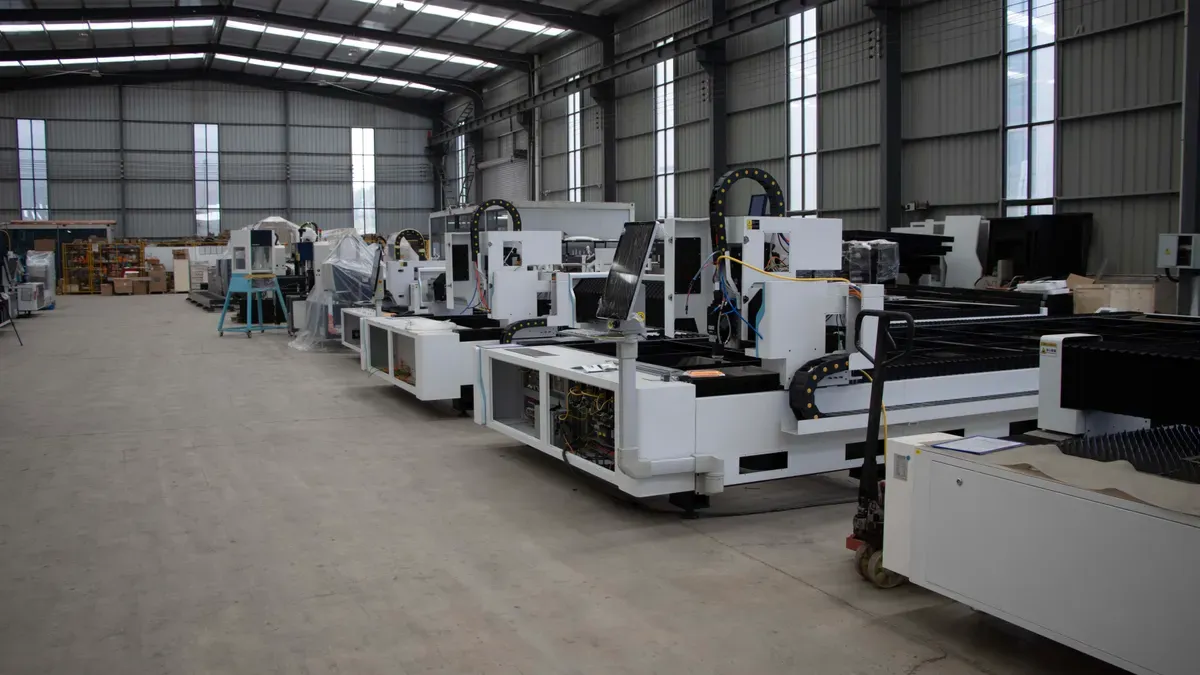
A buyer with a finished CAD file has a real choice to make. Should the job go to a laser cutting supplier in China or stay with a local fabrication shop? No single answer works for every case. Budget, timeline, part complexity, order volume, and intellectual property sensitivity all push the decision in different directions.
Price-sensitive buyers often look at overseas options first. Others value fast turnaround and direct communication. A shop down the street may handle urgent laser cutting jobs within days. A factory overseas may cut the same parts for less.
Before sending a laser cutting machine RFQ, decide what matters most. Weigh each factor against your production needs. Then ask for a quote from both sides. This comparison helps buyers find the best laser cutting suppliers in China or confirm that a local partner serves them better.
Compare total landed cost, not just unit price. Include freight, tariffs, customs, and inspection fees in the quote.
Pick a China supplier for big orders, standard parts, and flexible schedules. Their large factory size brings down the cost per unit.
Pick a local shop for rush jobs, hard parts, small orders, secret designs. You get speed, direct supervision, quick feedback.
Check certifications, tolerances, factory address before ordering. Ensure the real factory handles your work. Get first article inspection reports, CMM data.
Protect your designs with NDAs, local IP registration, and sharing files in stages. Run small test orders from both sides before you scale up.
When buyers compare quotes, the unit price is the first thing they see. A laser cutting supplier in china often quotes 30%–50% less than Western alternatives. But the total delivered cost — freight, tariffs, customs, and inspection — matters more.
Chinese suppliers usually charge less per part because labor, overhead, and raw materials cost less. Buyers should look past the unit price and check the full landed expense. It covers freight, tariffs, customs clearance, and quality inspection. If you skip inspection, a cheap order can become costly when parts arrive defective.
The cost per accepted part, not the quoted price, should guide the decision. A supplier with reliable tolerances may deserve a higher quote. Hehua, a China-based manufacturer, proves this. Hehua offers CNC bending, welding, finishing, and assembly as a sheet metal fabrication partner. That one-stop approach cuts extra vendor costs and rework risk.
Buyers should ask each supplier for a full breakdown. This request shows whether the quote covers packaging, tooling, sampling, and material grade. It reveals the "low-spec quote, overpriced options" trap that some chinese laser cutting equipment suppliers use.
Shipping depends on order size, weight, and speed. Ocean freight works well for large volumes but takes weeks. Air freight arrives faster but raises the final bill. Buyers with tight deadlines may find a local shop cheaper overall, even with higher per-part pricing. Orders from a laser cutting machine supplier china add shipping time to the schedule.
Tariffs add another layer. U.S. trade policy puts more duties on Chinese imports. A domestic fabrication shop pays no import tariffs, while a Chinese order must clear customs and may face duty charges. Some Chinese exporters keep U.S. stock to shorten delivery and reduce tariff exposure. Buyers should confirm shipping terms, delivery location, and customs responsibility before signing.
Delivery speed affects price. Production and transit from China can stretch into months. Suppliers with local inventory often deliver in two to three weeks. Each week of delay is a lost opportunity in the final comparison.
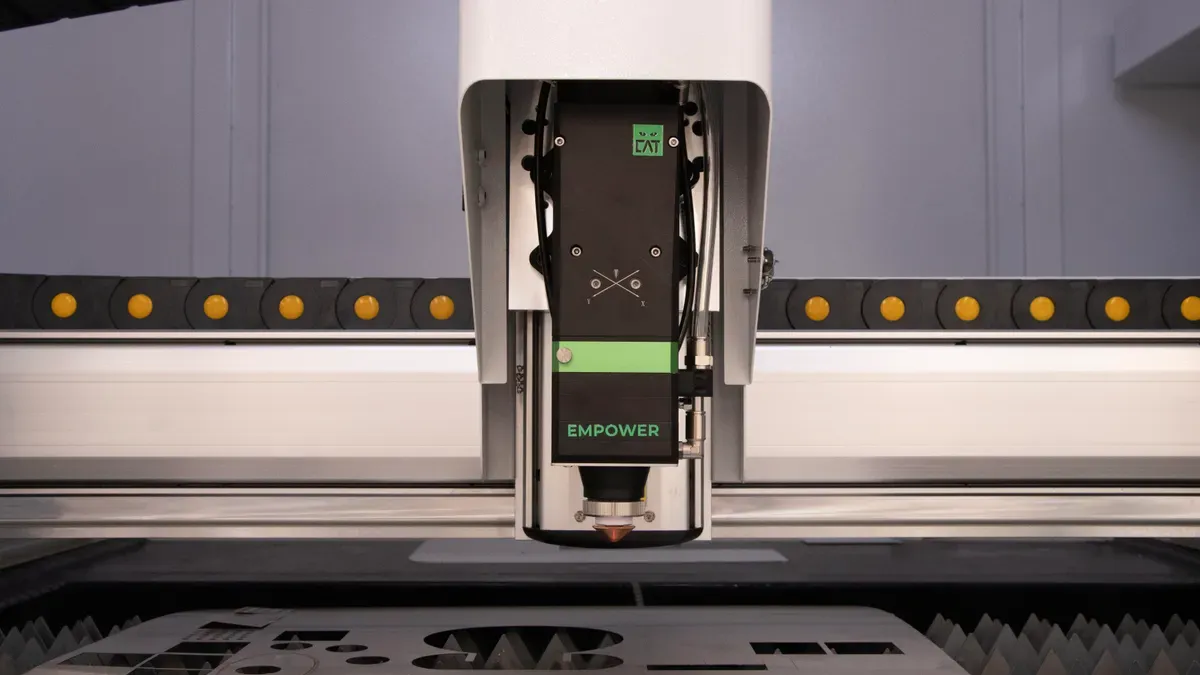
Quality is very different from one Chinese supplier to another. Some factories make precise parts that match or beat Western shops. Others send parts that break or fail when they arrive. Before placing an order, buyers must check certifications and tolerance data.
A certified factory gives buyers proof on paper. Hehua Machinery Technology (Kunshan) Co., Ltd., started in 2005, holds ISO9001, IATF16949, and EN15085 certifications. The company runs a 17,800㎡ factory with over 160 employees and serves high-end equipment industries. Its laser cutting tolerance reaches ±0.03±0.05mm, and CNC bending tolerance stays at ±0.05±0.1mm. These numbers help produce accepted parts that stay the same across production runs.
Buyers should ask for first article inspection reports and CMM dimension data. A supplier that tracks quality from incoming material to final surface treatment gives full-process traceability. Hehua uses ERP intelligent management to support this control. Local shops often offer similar inspection, but their tolerance claims may not have third-party audit backing.
Some laser cutting machine manufacturers in china are trading companies. They resell work from other factories and never touch the metal themselves. Buyers who skip vetting may pay extra for someone else's quality problems.
Confirm which physical factory will handle your work. Ask for the production address, then verify it.
A factory audit or video walkthrough shows the real operation. Buyers can check business licenses, certification scope, and equipment lists. The best laser cutting suppliers in china welcome these checks. Hehua, for example, offers reverse engineering from physical samples and DFM feedback, which shows direct engineering involvement.
Quality claims mean little without proof. Buyers should compare inspection reports, not marketing pages. A china-based laser cutting machine manufacturers directory may list hundreds of names, but only a factory visit or audit separates real producers from resellers. Laser cutting equipment and process control determine the final part. Buyers who vet suppliers protect their production line from costly surprises.
Delivery speed separates these two sourcing paths more than any other factor. A buyer who needs parts next week cannot wait for an ocean container. A buyer who plans production months ahead can trade time for a lower unit price.
A laser cutting supplier in china builds the schedule around production plus transit. Hehua, a China-based factory, delivers conventional simple sheet metal parts in 7–10 days. Complex precision assemblies take 15–30 days. The company reports an on-time delivery rate of at least 98 percent. Those numbers cover the factory floor only. Freight adds more time on top.
Ocean freight suits large, heavy orders. It costs less per kilogram and takes weeks to arrive. Air freight moves faster and costs more. A buyer should add customs clearance to the timeline as well. Clearance can take days or longer when paperwork has errors.
A realistic plan looks like this:
Stage | Simple parts | Complex assemblies |
|---|---|---|
Production | 7–10 days | 15–30 days |
Freight and customs | Weeks by sea, days by air | Weeks by sea, days by air |
Buyers should confirm the shipping terms and the delivery address before they approve a purchase order. A quote that stops at the factory gate hides the longest part of the wait.
Metal fabrication shops near the buyer often win urgent jobs. A local shop can cut, bend, and ship within days because no ocean crossing sits in the schedule. The buyer can also visit the floor, watch the laser cutting run, and catch a problem before the parts ship.
Local service costs more per part in most cases. That premium buys speed and direct oversight. A production line that stops for a missing bracket loses far more than the price difference. For a repair, a prototype review, or a trade show deadline, the nearby shop is often the only workable choice.
Quality still matters on a rushed order. A fast shop with loose tolerances creates scrap and rework, which erases the time it saved. Buyers should check inspection records before they trade schedule for speed.
Distance affects every talk with a factory overseas. A buyer in Chicago who asks a question at 9 a.m. might wait until the next day for a reply. Email chains can drag on for days. Small mix-ups about tolerances or finishes turn into expensive rework. Buyers who use laser cutting suppliers in china should get ready for this gap from the start.
Wise buyers lower the risk before the order begins. They ask for customer references, video demos, and factory audit reports. They check transaction history and verified status on sourcing platforms, since many sellers are middlemen, not real manufacturers. Talking straight to the factory brings better prices and clearer technical answers. A supplier with a U.S. warehouse for consumables like nozzles, lenses, and protective windows keeps a line running. Some Chinese manufacturers keep U.S. offices for this reason. A 24/7 remote support line and English manuals also help, because technical help has to cross time zones.
A written escalation path replaces guesswork with a clear process. The table below shows one practical model.
Issue Severity | First Contact | Escalation (if unresolved in 24h) | Action |
|---|---|---|---|
Minor delay (< 2 days) | Project manager | N/A | Document, adjust schedule |
Moderate delay (3–5 days) | Project manager | Engineering manager | Root cause, recovery plan |
Major delay (> 5 days) | Engineering manager | Senior management | Re-prioritize, expedite shipping |
Local shops skip most of this. A buyer can walk onto the floor and talk to the engineer who runs the laser cutting machine. That direct access is the strongest kind of local support.
Custom work tests how deep a supplier's engineering goes. A strong Chinese partner does more than cut metal. Hehua, for example, runs OEM/ODM programs with DFM process optimization, reverse engineering from physical samples, and full-cycle support from prototype to mass production. That range gives buyers one clear path from first article to volume output.
Buyers should still watch the schedule with care. A shared milestone plan and visual tools like Gantt charts keep both sides on the same page. Adding a 10–15% time buffer to standard steps and 20–25% to high-risk steps, such as special materials or complex post-processing, stops late surprises. A local service partner gives faster feedback on fit and finish, but a well-managed overseas factory can match the quality when the process stays clear.
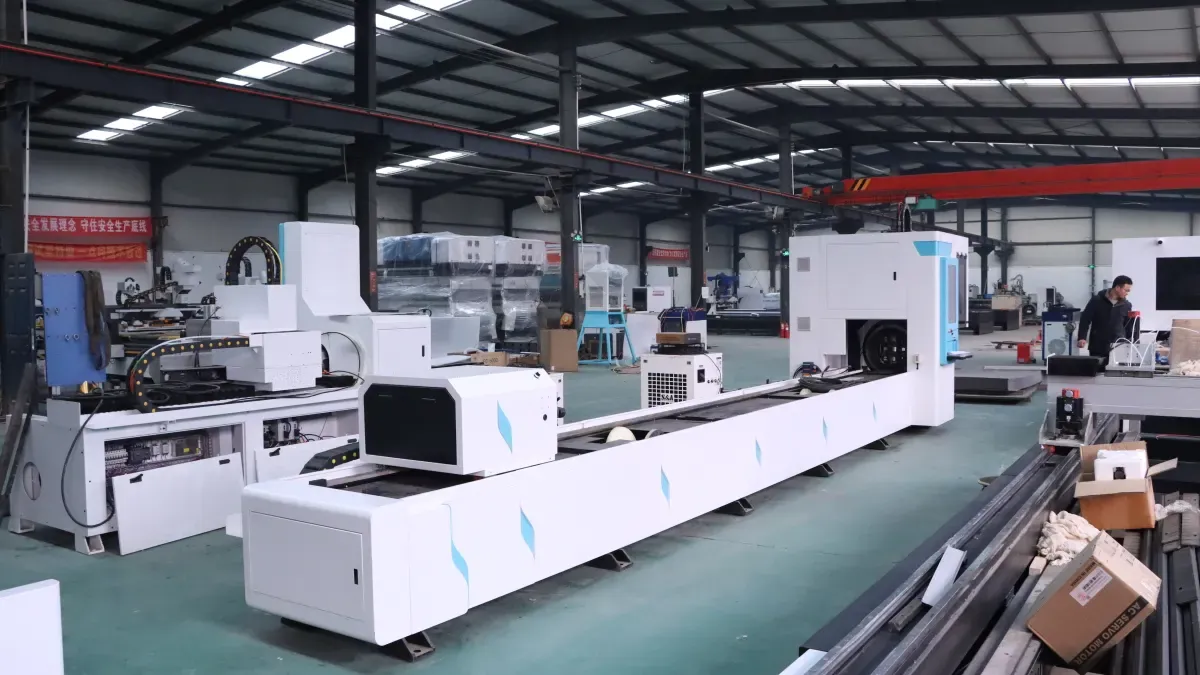
Order size changes how both options work. A Chinese factory spreads setup costs over many parts. This lowers the price per part and makes big orders practical. For example, Hehua can make over 50,000 pieces each month. That level supports work from prototypes to full production. A local shop might only handle a few hundred pieces per week. It often lacks the space, workers, and machine time for a large order.
Minimum order quantity, or MOQ, pushes the other way. Many Chinese suppliers set MOQs too high for small buyers. A startup that needs fifty brackets may get a "no" from overseas. A local shop often takes that order right away. The table below shows the difference.
Factor | China Supplier | Local Shop |
|---|---|---|
Monthly capacity | 50,000+ pieces | Limited by shop size |
MOQ | Often high | Often low or none |
Best fit | Large runs | Small runs |
Buyers should pick the partner that fits the order size. A large production run fits a factory that can scale up. A small run fits a shop that accepts low quantities.
Prototypes show if a supplier will take small jobs. A strong Chinese factory can help at this stage. Hehua offers reverse engineering from physical samples and DFM process optimization. These services help buyers improve a design before making tooling. The same factory can then grow into mass production. This flow means buyers do not need another vendor later.
Local shops stand out for prototypes for another reason. A buyer can walk in, give a drawing, and pick up a sample the next day. Feedback stays quick. Design changes happen fast. For a single fixture or a proof of concept, the nearby shop wins on speed and face-to-face contact.
Once the design is final, the overseas factory wins on scale. A local shop that made ten prototypes may fail at ten thousand units. Buyers should plan the whole path. They should ask each supplier about capacity at every stage. A partner that grows with the project gives better laser cutting results over time. Quality stays steady when one factory runs the full cycle.
Sending CAD files to another country puts a buyer's design at risk. A supplier might copy the part, give it to a rival, or use it after the order is done. Buyers should see IP rights as tied to each country. A patent at home does not shield a design in China. You need local registration to enforce design rights there.
A non-disclosure agreement by itself is not strong. Buyers should add local IP registration and a clause that picks the legal venue. Going after a Chinese supplier in a foreign court is often not practical. The agreement should name confidential items clearly: CAD files, BOMs, process specs, and tooling drawings. It should also require that all materials be returned or destroyed with proof within 30 days after the contract ends.
Buyers should share in steps. When quoting, send only rough sizes and materials. When sampling, send only what the sample needs. Hold back source files and core mechanism details until the contract is signed and IP filings are done. A written tooling ownership clause matters too. Paying for tooling does not hand over ownership by itself. A local fabrication shop gives easier face-to-face legal action and design privacy, which is a simpler path when IP sensitivity is high.
Shipping method shapes both cost and schedule. Ocean freight is the cheapest choice for big loads. Transit time runs about 25 to 40 days on the water, and shared-container shipments add 3 to 7 extra days for handling. Air freight moves in about 3 to 7 days but costs 5 to 10 times more than ocean freight. Airlines charge based on whichever is higher: actual weight or dimensional weight.
Mode | Transit time | Relative cost |
|---|---|---|
Full container by sea | 25–35 days | Lowest |
Shared container by sea | 30–40 days | Low |
Air freight | 5–10 days | 5–10x ocean |
Incoterms set who handles freight, insurance, and customs clearance. Buyers should confirm these terms before signing. After-sales support differs from one supplier to another. Hehua offers domestic response within 24 hours and overseas remote technical support within 72 hours. That kind of after-sales ownership lowers post-shipping worries. Buyers should also spell out after-sales duty in writing, because quality issues found after delivery need a clear path to a fix. A supplier with strong local support and a set local service process protects the buyer long after the laser cutting job ships.
The best partner depends on what the project needs most. A clear look at cost, quality, speed, and risk points buyers to one side. Buyers who match their priorities with the right sourcing path avoid expensive mistakes.
A Chinese factory fits large orders that need low prices, standard parts, and clear specs. A laser cutting supplier in china often quotes 30–50% less than Western shops. That price gap grows on big runs because setup costs spread over many parts. Hehua, one of many laser cutting machine manufacturers in china, can make 50,000+ pieces per month. That size fits buyers who plan months ahead and can wait for shipping.
Standard parts with steady designs also point to overseas sourcing. A buyer with a final drawing, a fixed material grade, and no planned changes can lock in a low unit price. The best laser cutting suppliers in china back that price with written tolerances, like laser cutting accuracy of ±0.03~±0.05mm. Buyers should check certifications, ask for first article inspection, and confirm the real factory before committing. These steps turn a low quote into a dependable supply line.
A local shop wins urgent, complex, low-volume, or IP-sensitive projects. A nearby team can cut and ship in just a few days, and a buyer can walk the floor to watch the laser cutting run. Direct talks with engineers make feedback faster and catch problems before parts ship. For a repair, a prototype review, or a trade show deadline, this speed beats the higher unit price.
IP-sensitive designs also favor local partners. In-person legal options and design privacy are easier to handle at home. Buyers who want close control over quality and surface finish often pick the same route.
Reshoring trends back this view. Some U.S. companies have brought work back from China, proving that speed, oversight, and communication can beat unit price. That change does not mean overseas sourcing fails. It means priorities decide the result.
A practical framework helps buyers decide. Pick a China supplier for large runs, standard parts, acceptable lead times, and clear specs. Pick a local shop for urgent jobs, complex shapes, small batches, or sensitive designs. Buyers who want the safest path should run small pilot orders with both options first. Compare the accepted parts, the real delivery time, and the total landed cost. Then commit to large-scale production with the partner that fits.
Unit price, scale, and volume usually go to a laser cutting supplier in China. Speed, communication, and direct control go to a local fabrication shop. Buyers need the total landed cost before comparing quotes. Freight, tariffs, customs, and inspection trips all push the final bill up.
Try this quick guide. For large runs, simple parts, flexible timelines, and low IP risk, choose overseas. For urgent jobs, complex shapes, small batches, and sensitive designs, choose local.
Factor | China Supplier | Local Shop |
|---|---|---|
Order size | Large | Small |
Complexity | Standard | Complex |
Timeline | Flexible | Urgent |
IP risk | Higher | Lower |
Start with small pilot orders from both sides. Compare accepted parts, actual delivery time, and total cost. Then move to large-scale production.
Chinese suppliers often quote 30–50% less per part than Western alternatives. That gap shrinks after freight, tariffs, and customs. Buyers should compare the total landed cost, not the unit price alone. A local shop may cost more per part but save money on shipping and inspection trips.
Quality varies widely. Certified factories hold documented tolerances. Hehua, for example, meets ISO9001, IATF16949, and EN15085 standards, with laser cutting tolerance of ±0.03±0.05mm and CNC bending tolerance of ±0.05±0.1mm. Buyers should request first article inspection reports and confirm the physical factory before ordering.
Hehua delivers simple sheet metal parts in 7–10 days and complex precision assemblies in 15–30 days, with an on-time delivery rate of at least 98%. Ocean freight adds weeks; air freight adds days at higher cost. Local shops often respond faster for urgent jobs.
Many Chinese factories set high MOQs to cover setup costs. Hehua supports full-cycle cooperation from prototypes to mass production, with monthly capacity of 50,000+ pieces. Local shops typically accept lower volumes or single pieces, which suits startups and one-off projects.
Buyers should use NDAs, register IP locally in China, and share files in stages. Send rough dimensions during quoting and hold back source files until contracts are signed. A local fabrication shop offers easier face-to-face legal recourse and stronger design confidentiality for sensitive projects.


 AddressNo. 66 Xingpu Road, Lujia Town,Kunshan City, Factory Buildings 3 and 4
  en
en
 English
 繁体中文
繁体中文 Italian
 Spanish
 Japanese
 Portuguese
 Korean
 Russian
 French
 German
 Estonian
 Arabic
 Indonesian


 Message